Holocaust victims commemorated in Chișinău. Igor Grosu: "Such events must not be forgotten."
The International Day of Commemoration of Holocaust Victims is marked today around the world. In 2025, it turns 80 years since the liberation of the Auschwitz concentration camp, the largest extermination camp, which became a symbol of the horrors of the Nazi regime in Germany. In Chișinău, dozens of people commemorated the victims of the Holocaust and the anti-Semitic persecutions during World War II with a rally at the "Victims of Fascism" monument.
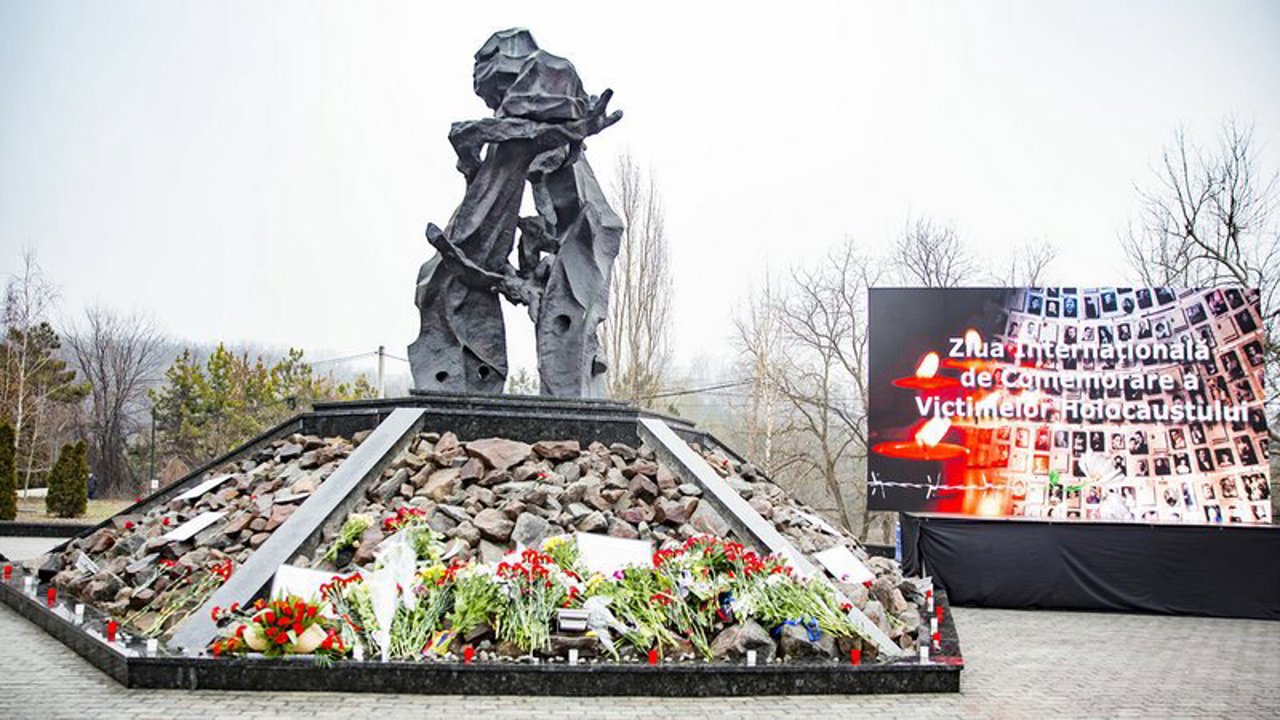
At the memorial meeting, officials, diplomats, and representatives of the Jewish and Roma communities were present. Participants mentioned that it is everyone's duty to keep the memory of the victims of Nazi horrors alive.
"I believe it is the duty of all people, not just the elderly, but also the young to remember the lost lives";
"We had the opportunity to light some Chinese candles, and I think it is a very beautiful symbol, because by lighting them we commemorate the victims";
"It is very important today to know about the Holocaust because we live in times when the notions of pogrom are relevant, in Europe, in Eastern Europe";
"I want this to be talked about as much as possible, and for children to know the whole truth and to respect the Jews";
"My great-grandfather settled in Moldova during World War II, he was a victim as well. I commemorate my brothers and sisters," said the people.
In the center of Chisinau, the victims of the 1903 Kishinev Pogrom were also commemorated, when, over two days, 49 Jews were killed, 500 were injured, and 1,500 homes and shops were devastated. Preserving memory is the most important weapon against anti-Semitism, discrimination, and xenophobia, says the coordinator of the Humanitarian Assistance Center, Diana Daniliuc.
"This year is a significant date, marking 80 years since the liberation of the Auschwitz ghetto, and here are practically all the names of the people who died in the Kishinev ghetto. These lanterns have practically been the light of memory," Diana Daniliuc noted.
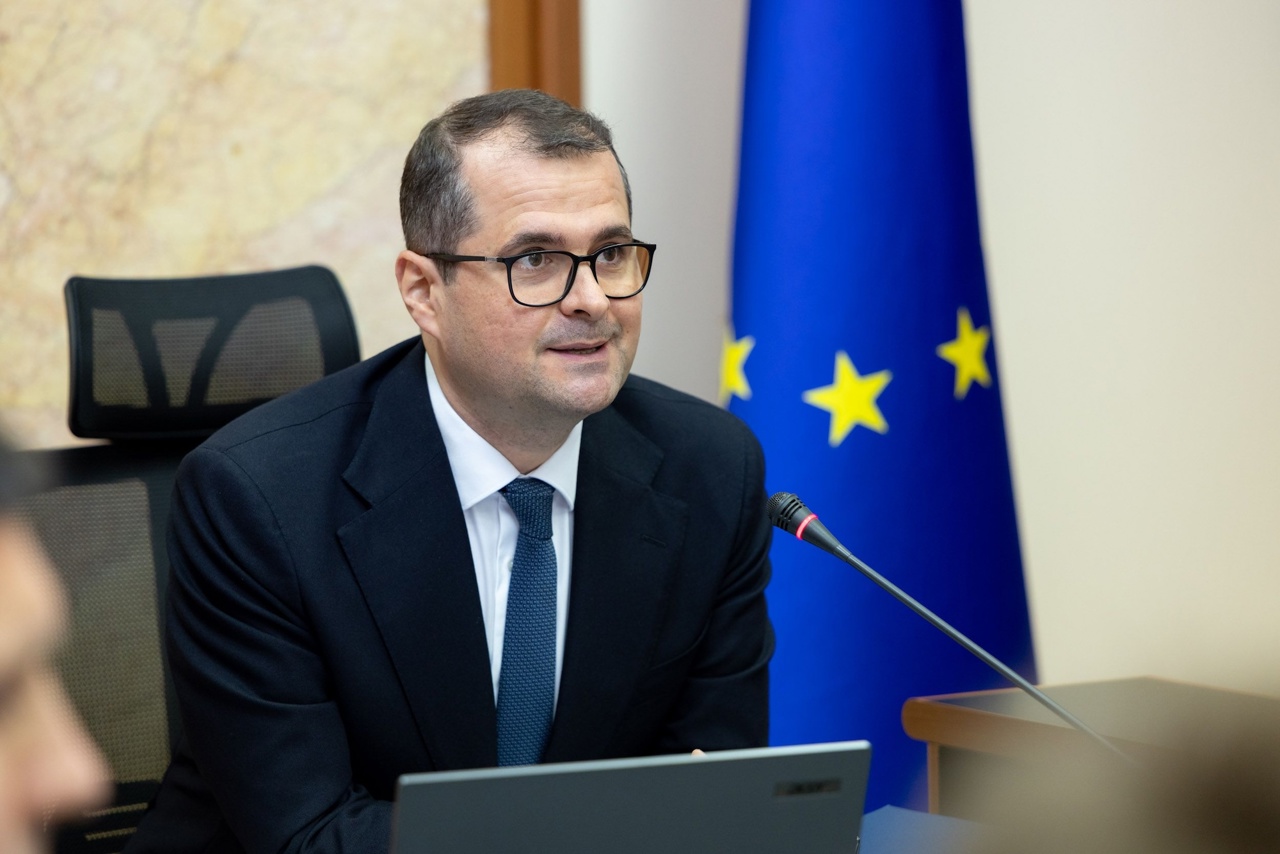
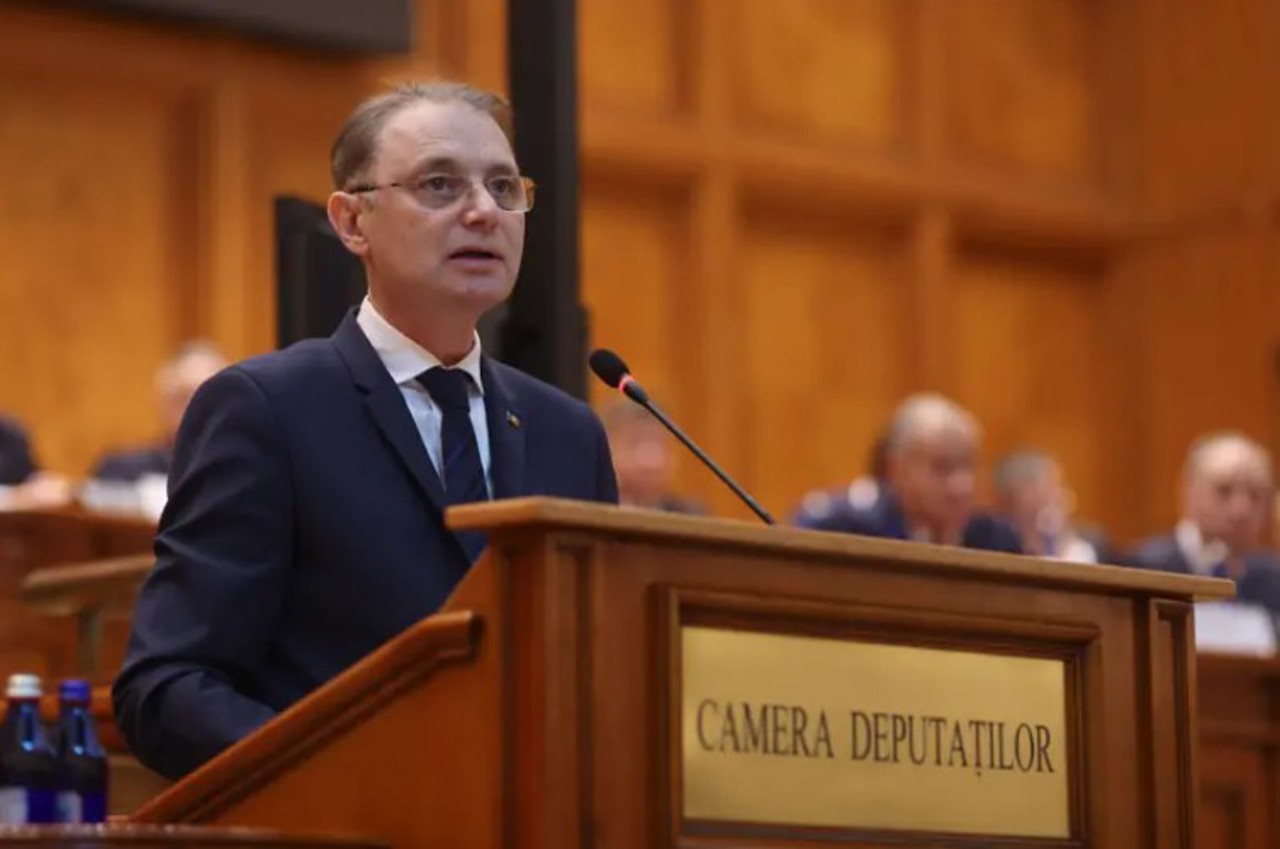
The events of 80 years ago show how dangerous it is to instil feelings of hatred towards others, to sow discord in society based on ethnic, religious, cultural, or other criteria. By commemorating such tragic historical events, we understand even more the price and value of peace, declared the Parliament Speaker Igor Grosu.
*"Such events must not be forgotten, as otherwise we risk them being repeated. Nothing justifies the killing of people solely because of their religious or ethnic affiliation. Today, 80 years later, we live in complicated times, with a war at the border, but also with a hybrid war, where through hate speech, disinformation, and manipulation, there are attempts to diminish the importance of human life, and violence is presented as a means capable of resolving the divergences between states and societies. We, who want peace, must unite our efforts to build a democratic society where there is no place for dictatorship and terror.
According to the final report of the International Commission for the Study of the Holocaust, in 1941, there were 49 concentration camps and ghettos on the territory of present-day Moldova, and in the Transnistrian region - 189. Over 200,000 Jews were killed, including as a result of deportations from the Transnistrian region, and at least 10,000 Roma were tortured to death or shot. The Parliament of Moldova approved in 2016 the Declaration regarding the acceptance of the final report of the international commission on the study of the Holocaust, and January 27 was declared the National Day of Commemoration of the Holocaust Victims.*