Press Review: Where it cannot engage militarily, the Russian Federation resorts to information warfare. We anticipate an increase in Russian hybrid actions

Chisinau's response to Moscow's dissatisfaction over the postponement of the new ambassador's accreditation was a hot topic in the national media. Simultaneously, the articles discuss the rising intensity of Russian hybrid actions ahead of the parliamentary elections in the Republic of Moldova, emphasizing the need for pro-European forces in Chisinau to join.
More respect for the Republic of Moldova! This is the message from the Parliament Speaker, Igor Grosu, in response to the Russian diplomacy's confusion regarding Chisinau's delay in accepting the letters of accreditation from the new Russian ambassador. Moldova 1 TV reports that Grosu urged Russian authorities to exercise patience. This reaction follows the summoning of Moldovan ambassador Lilian Darii to Moscow, where he was informed of Russia's dissatisfaction with the situation. Previously, President Maia Sandu explained that Oleg Ozerov, the new Russian ambassador-designate to Chisinau since October 2024, was not invited to present his letters of accreditation due to Russia's disrespect towards the Republic of Moldova.
Mihai Ghimpu, the leader of the Liberal Party, stated on TV 8 that unionists, pro-Europeans, and statists should unite for the parliamentary elections this fall to avoid splitting votes. He recognizes that his call for unity may be met with resistance from other political leaders but he believes that moving further away from Russia and closer to the EU is essential for a safer future.
Political commentators suggest that the democracy of the Republic of Moldova is under constant threat from the Russian Federation, according to Radio Chisinau. Military analyst Artur Leșco predicts an increase in Russian hybrid activities in the country, noting that where Russia cannot attack militarily, it tends to launch informational assaults. Political analyst Ion Tăbârță warns that if pro-European forces do not lead the Republic of Moldova after the parliamentary elections, pro-Russian, oligarchic, and revisionist forces may seize power, alluding to statements from pro-Russian leaders about pursuing a Georgian-style scenario.
Radio Free Europe reports that European experts will assist Moldovan authorities in combating illicit money flows that may interfere in the elections. This announcement was made during the European Union Security Hub meeting held in Chisinau. Jănis Mažeiks, Head of the Delegation of the European Union in Moldova, stated that Russia's interference during the 2024 presidential elections was "unprecedented." He expressed concerns that the EU might also face similar issues, as methods of corrupting voters and illicit financing of political parties could extend to European countries as well. In the fall of 2024, Moldova held two rounds of presidential elections and a referendum to amend the Constitution. According to the police, approximately 130,000 people received money transferred from Russian banks to vote "No" in the referendum.
In a historic decision in Brussels, the Republic of Moldova has been accepted into the Single Euro Payments Area (SEPA), as reported by Radio Chisinau. Membership in this system will enable faster, safer, and more affordable international payments in euros for Moldovan citizens and businesses. Currently, an international euro transfer costs Moldovans between 20 and 200 euros, but after joining SEPA, that cost could drop to as low as 2 euros. It is estimated that the Republic of Moldova will save around 12 million euros annually as a result of this accession.
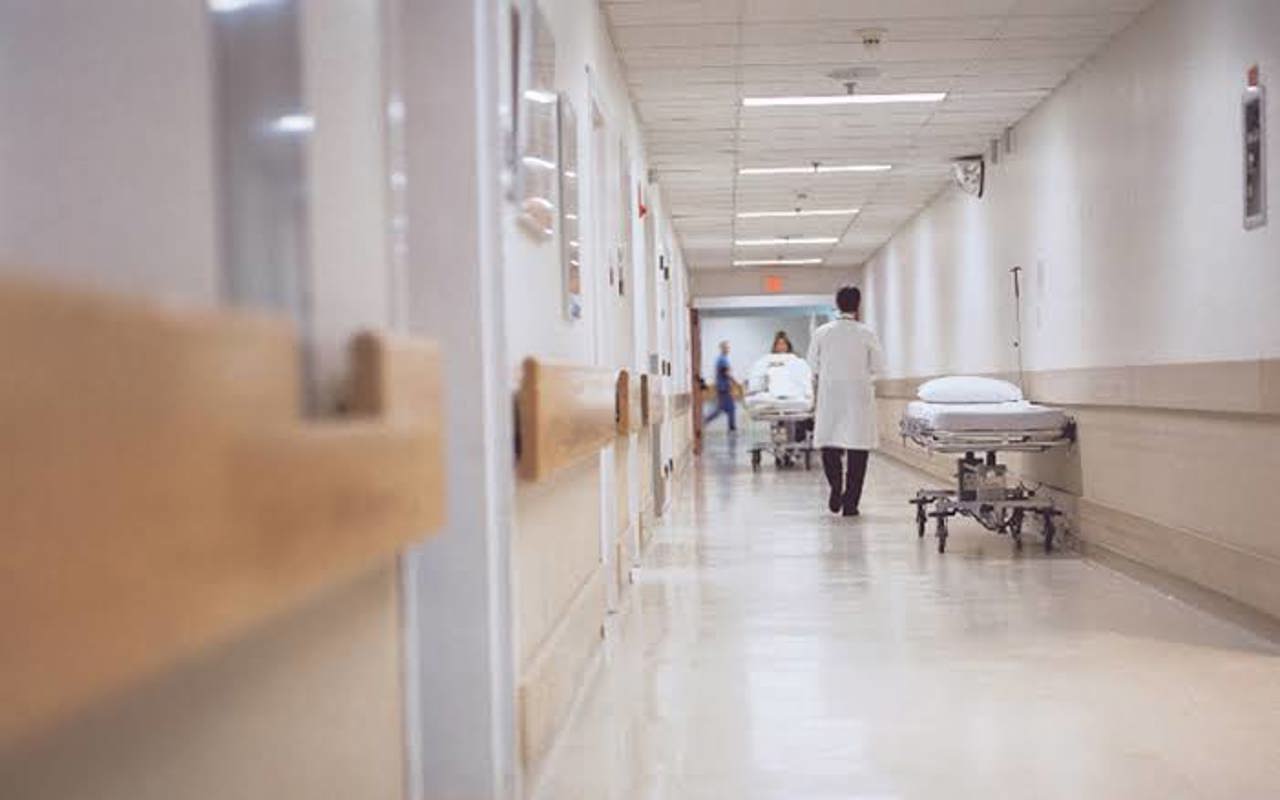
A six-year-old child died from meningitis in a hospital in Chisinau, as reported by Moldova 1 TV. Vladimir Bolocan, the head of the General Directorate of Medical and Social Assistance, stated that the child could not be saved due to a very serious form of the disease. Since the beginning of the year, three children have been hospitalized in critical condition at the Municipal Clinical Hospital for Infectious Diseases, some required intensive care and strict isolation. Cases of meningitis in children are increasing in the Republic of Moldova, and specialists emphasize the need for vaccination, particularly for young children, to prevent severe complications.
Prosecutors are seeking an arrest warrant for Irina Borodkina, a Ukrainian national and the owner of the beauty salon where businesswoman Liubov Babutchi died, according to TVR Moldova. Additionally, prosecutors are requesting an extension of the arrest warrant for anesthesiologist Ecaterina Maniuc, despite her lawyer seeking a more lenient measure due to her health problems. Forensic examination determined that Liubov Babutchi's death resulted from an embolism, which occurs when a blood clot blocks an artery. Irina Borodkina, the salon owner, fled the Republic of Moldova and is currently in Ukraine.
In Tiraspol, there are plans to end the heating season early to restart local industry, as reported by Ziarul de Garda. The publication, which cites the Security Zone, indicates that heating was stopped in some neighbourhoods of Tighina, Rabnita, and Tiraspol. A complete shutdown of the heating system is expected in the coming days to facilitate the resumption of local industry and partially restore the supply of hot water, which has been unavailable since January 1. The Metallurgical Plant started several processes necessary for resuming industrial activity, including ensuring water supply to cooling systems, which are essential for metal melting.