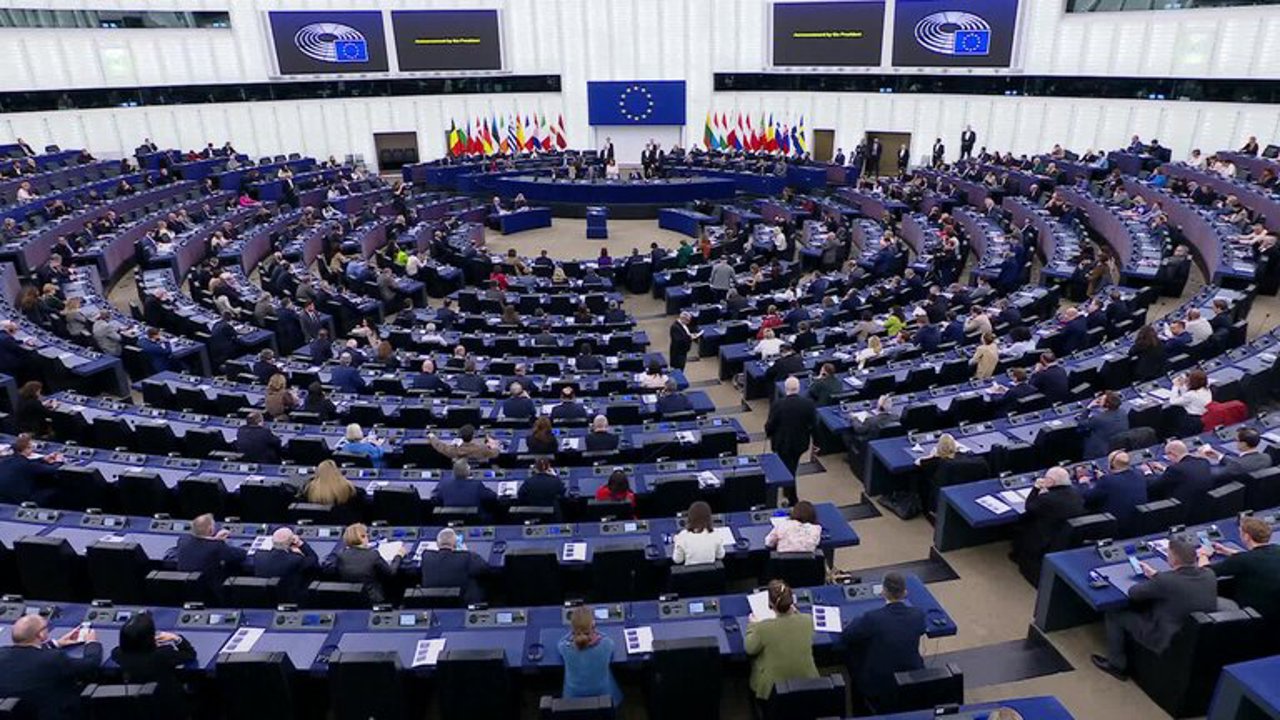
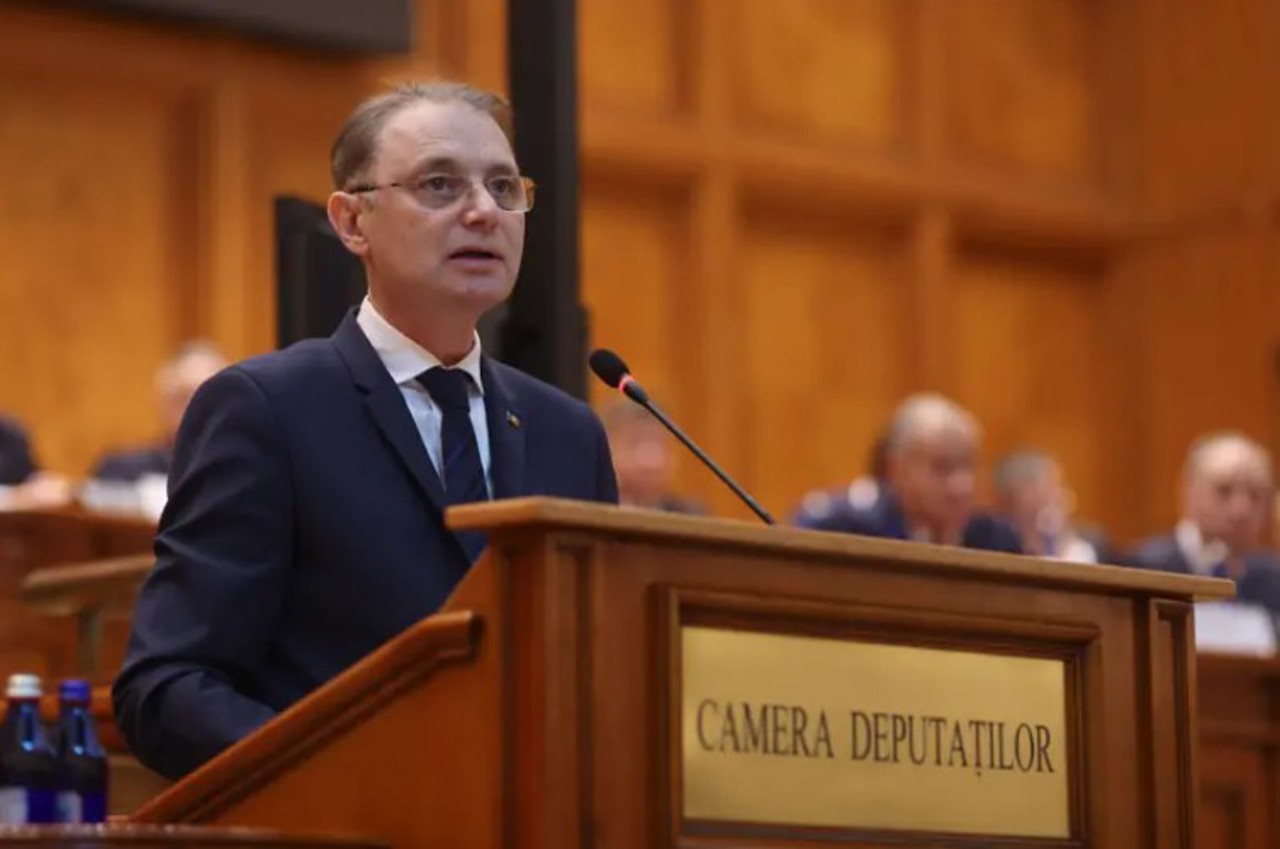
Correspondence by Dan Alexe // EU defense discussed in Strasbourg: European Parliament on the path of military strengthening
The European Parliament is set to discuss a resolution today during the plenary session in Strasbourg regarding the future of European defense, particularly in the event of reduced collaboration with the United States. This discussion follows yesterday's decision, on Tuesday, March 11, where the Parliament voted to establish a support fund for the Republic of Moldova amounting to nearly two billion euros. Additionally, the Parliament expressed its support for strengthening Europe’s eastern flank in response to Russian aggression.
The European Parliament is currently discussing information sharing between EU and NATO countries, a partnership that has been under strain as member nations grow increasingly cautious of one another. The situation has been further complicated by the geopolitical changes initiated during Donald Trump's presidency, which may exacerbate existing tensions.
Long-standing distrust between NATO's traditional Western members and newer members from the former communist east has created friction. This tension intensified following Russia's invasion of Ukraine, as pro-Russian countries like Hungary—later joined by Slovakia—are now considered less trustworthy.
The United States' shift towards a more favorable stance on Russia during Trump's administration has shaken the foundation of the alliance. This has led EU and NATO members to question the risks of sharing vital information with Washington, a situation previously unseen in their partnership.
The uncertainty surrounding the reliability of the U.S. has been amplified by Trump's appointment of Tulsi Gabbard as director of national intelligence. Gabbard has publicly expressed sympathy for Russian perspectives on conflicts in Ukraine and Syria and has even met with former Syrian President Bashar Assad, who has largely been ostracized by the international community for his use of chemical weapons against his own citizens.
Historically, intelligence sharing among European nations or within NATO's 32 member states has never reached the levels of trust seen in the Anglo-Saxon intelligence alliance known as Five Eyes, which includes the U.S., Canada, the UK, Australia, and New Zealand. This is mainly due to concerns over potential leaks and suspicions that some national intelligence agencies might be vulnerable to Russian infiltration.
Intelligence sharing can be extremely influential, as demonstrated when the Biden administration consistently warned about Russia’s impending attack on Ukraine in 2021-2022, a warning that was largely ignored at the time.
However, three years later, with Trump's significant political shift, the future role of American intelligence is now being called into question.