IFAD irrigation helps Moldova farmers fight drought
Drought and snowless winters in recent years have significantly reduced the country's agricultural yield.
A solution would be land irrigation, as is common practice elsewhere, but this is a real luxury for farmers in the Republic of Moldova. However, this is not the case for farmers in Telița, Anenii Noi district, who, with the support of IFAD programs, will benefit from centralized systems, freeing them from these worries.
Vitalie Frunză has ten hectares planted with grapevines. He says that if he doesn't ensure the necessary moisture, he cannot grow quality grapes.
"Last year, the entire yield was taken to the wine factory for processing into spirit. I sold nothing. The irrigation system is absolutely essential. Without it, we can no longer grow quality produce or compete on the market," farmer Vitalie Frunză stated.
The farmer plans to expand his production once the irrigation system is operational:
"Next spring, if the irrigation system is operational, we will plant another one-and-a-half hectare plot, bringing the total to over 10 hectares of Moldova and Arcadia grapevines. Irrigated grapes result in higher quality produce and wine; they are marketable and tasty. Non-irrigated grapes are of poorer quality."
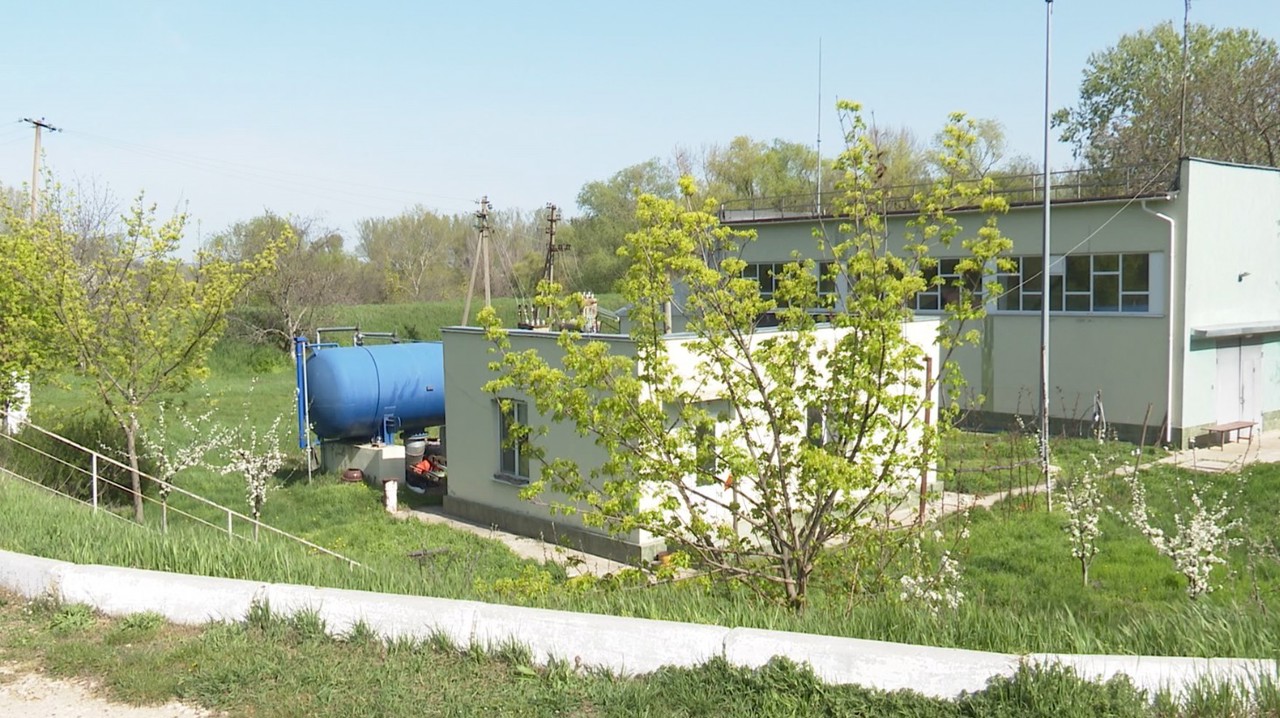
The irrigation systems will be supplied with water from the local Gura Bîcului station.
"This station has been operational since 2015 and was renovated. Currently, there is water, but we don't know what the drought situation will be like in the summer. If it doesn't rain, we will face a deficit," states the Director of the Water Pumping Station, Leonid Morari.
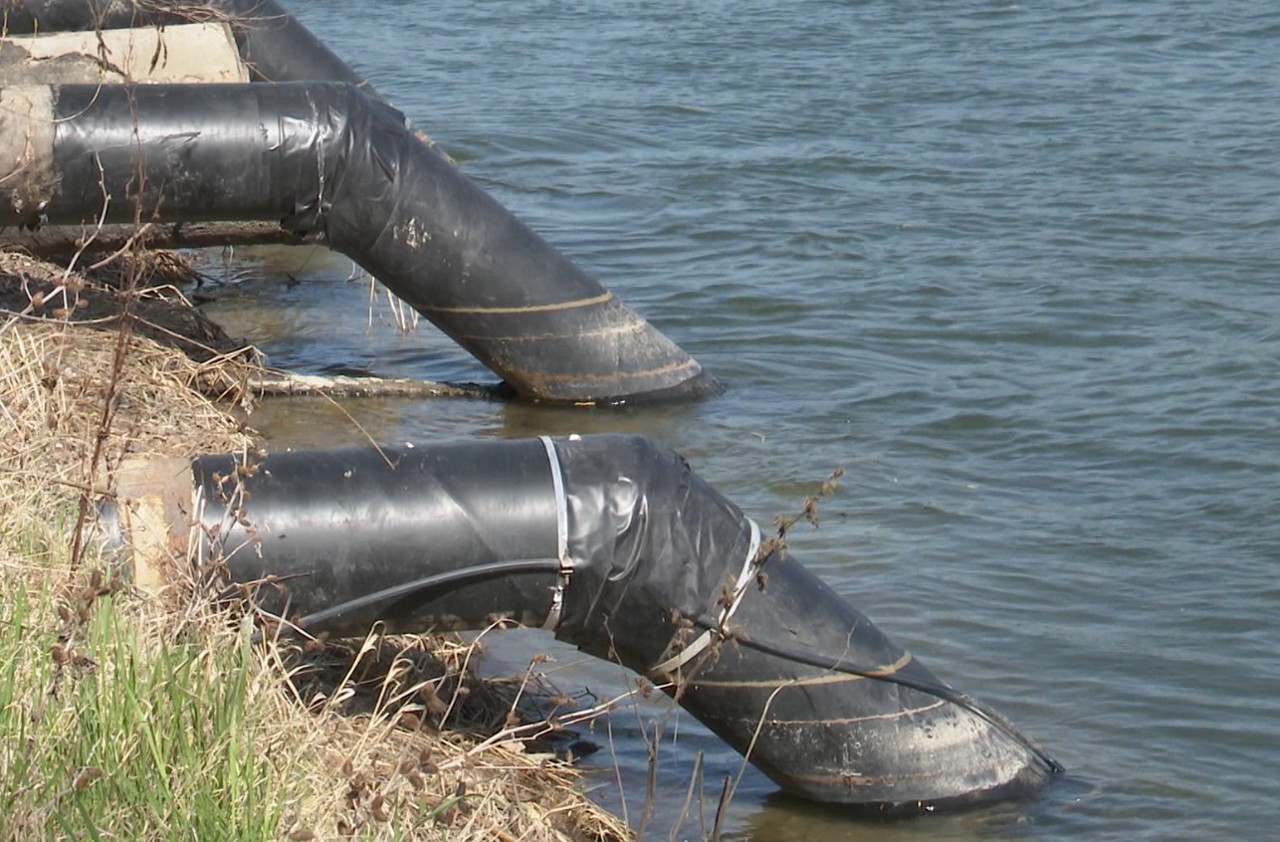
Approximately 3,000 cubic meters of water from the Nistru river will be pumped into this basin. Annually, before the farming season begins, the basin is cleaned. Subsequently, the water is pumped through three pipes and can irrigate approximately 2,000 hectares of agricultural land.
Over one hundred farmers who manage around three hundred hectares of land will benefit from the irrigation systems.
"Telița village had another irrigation system during the Soviet era; that system was stolen and damaged, leaving farmers without vital support. If we extend this irrigation system, only 10 percent of all agricultural land in the village will be under irrigation," affirms Rodica Rusu, the mayor of Telița village.
IFAD programs offer financial support in the form of grants of up to half a million dollars for the development of irrigation infrastructure. Similar projects are being implemented in other districts of the country, such as Cahul, Rezina, Briceni, and Florești. In the next two years, IFAD plans to finance the construction of an additional 12 irrigation systems in the Republic of Moldova.
Translation by Iurie Tataru