Experts warn of increased disinformation before parliamentary elections
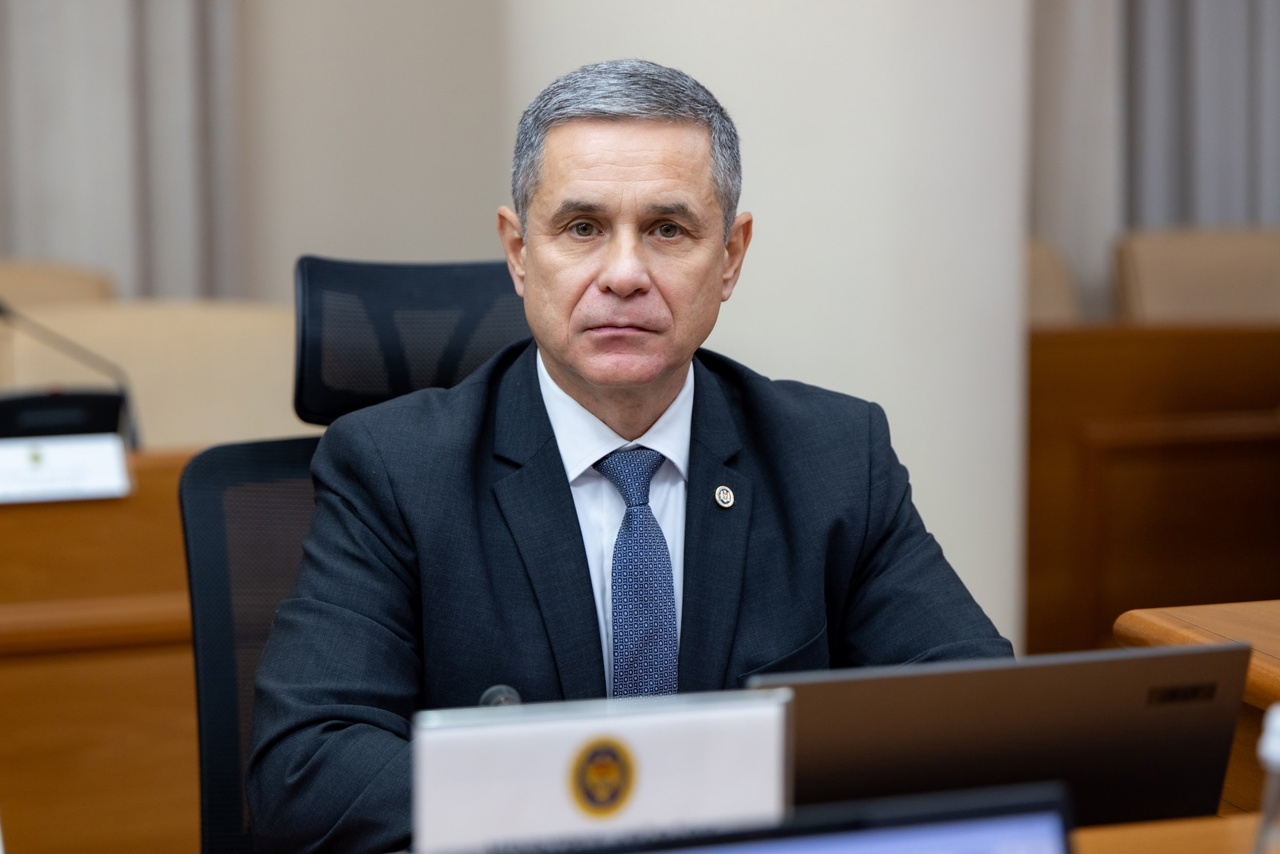
The European path of the Republic of Moldova depends, to a large extent, on internal political stability, on the maintenance of pro-European governments and on courageous political decision-makers who will adopt firm measures, especially in the judiciary and in the fight against corruption. This is the opinion of WatchDog expert Andrei Curăraru, who commented on the visit of European Commission Vice President Kaja Kallas, on the Zi de Zi show.
According to the expert, a major challenge is countering the wave of disinformation that is intensifying in the context of the parliamentary elections in the fall.
We expect that, as the elections approach, these disinformation networks will intensify, both locally and internationally, and will be associated with other phenomena of hybrid warfare: political corruption, the rekindling of a potential energy crisis in the Transnistrian region, and other various challenges. The situation is all the more tense as political leader Ilan Shor has publicly declared that, in the event of a victory in the elections, he will initiate a referendum for the Republic of Moldova to join the Russia-Belarus union state and the ODKB military organization, which would mean renouncing the status of neutrality and, implicitly, involvement in a military conflict.
The Transnistrian conflict has been frequently used by the Russian Federation to block the European path of the Republic of Moldova, through destabilization strategies and energy pressures, said the former Deputy Prime Minister for Reintegration, Gheorghe Balan. However, the prompt support of the European Union, including financial aid worth hundreds of millions of euros, allowed to avoid a humanitarian crisis and maintain stability throughout the country. According to Gheorghe Balan, the statements of the head of European diplomacy Kaja Kallas confirm once again that our country can join the European Union even if the Transnistrian conflict is not resolved by the time of accession.
European officials and European states have gradually changed their approach from one that argued that this conflict must be resolved before integration to an approach according to which this conflict can be resolved along the way or later, and these two processes don't need to be correlated with each other. Accordingly, the European integration of the Republic of Moldova will depend, first of all, on our successes in the process of implementing the community acquis and in bilateral negotiations, including with the European Union states, so that they give their consent for the Republic of Moldova to be integrated within this decade.
Gheorghe Balan also said that, at present, the dialogue on the Transnistrian file remains blocked, and the Tiraspol regime shows no signs of openness towards democratic reforms or a peaceful resolution of the conflict. In the interview for our radio station, the head of European diplomacy Kaja Kallas stated that the process of expanding the community bloc will occur regardless of whether or not the Transnistrian conflict is settled by then.