Parliament approves: Starting 2026, Moldova will issue EU-standard passports
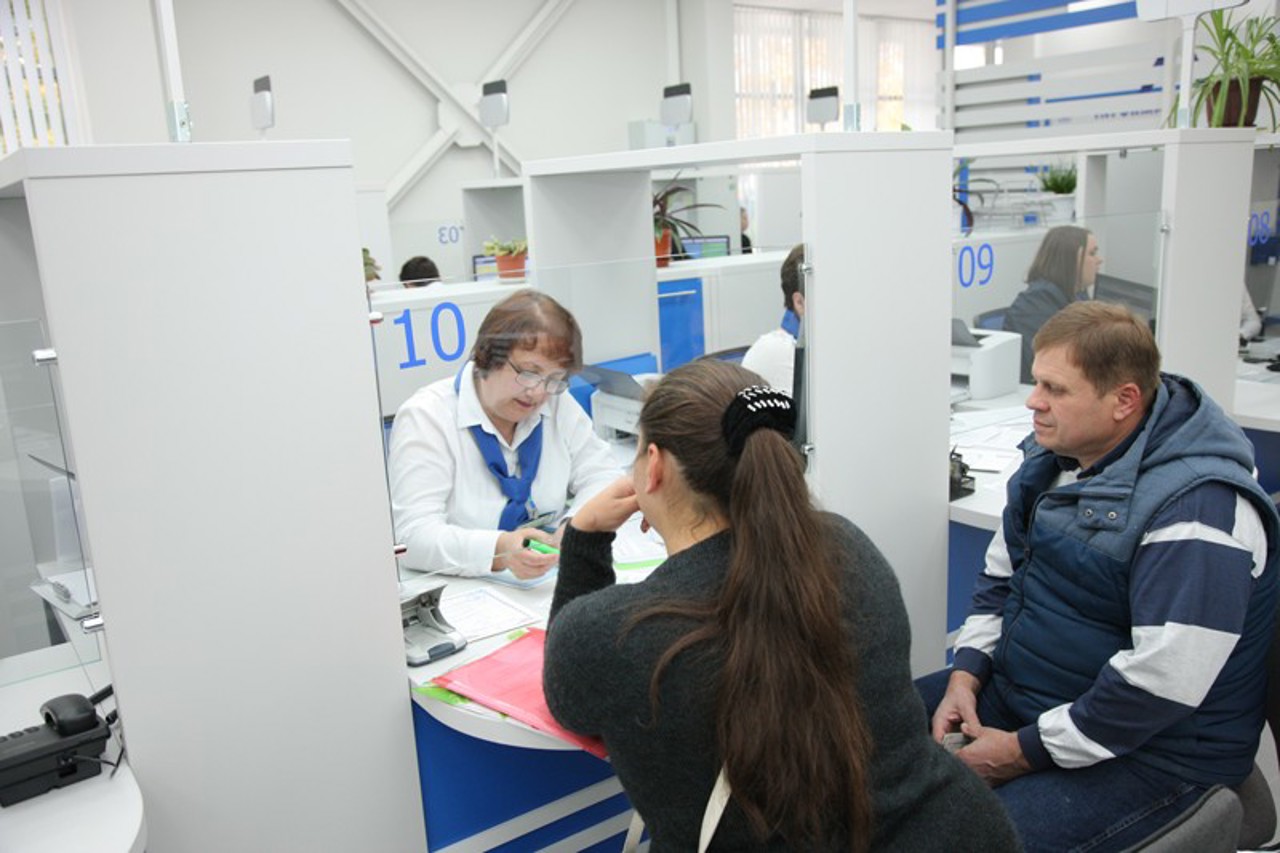
The Republic of Moldova will issue modern passports and travel documents from 2026, designed to meet European security standards. In the second reading, the Parliament voted on a draft amending the Law on Identity Documents.
The new travel documents will meet the technical requirements established by the International Civil Aviation Organization and European Union regulations. They will feature advanced biometric elements and unified identification codes, integrating modern identification technologies to enhance the security of personal data and prevent forgery attempts.
Under the legislative initiative developed by the Public Services Agency in collaboration with the Ministry of Internal Affairs, some information in the travel documents will be provided in three languages: Romanian, English, and French. This multilingual approach will facilitate international recognition. Additionally, the identity documents will include a holographic signature for individuals aged 14 and older. The documents will also contain the holder's biometric data, such as facial images and fingerprints. However, exceptions will be made for children under 12 and for individuals for whom fingerprinting is not physically feasible.
The draft legislation outlines the validity periods for passports based on the holder's age and status. Travel documents for stateless individuals, refugees, or beneficiaries of humanitarian protection will be valid for 3 to 10 years. If fingerprinting is temporarily impossible, the passport or travel document will have a validity of one year.
The Public Services Agency will issue most identity documents, except for diplomatic and service passports, which will be handled by the Ministry of Foreign Affairs. Identity documents for stateless individuals, refugees, and beneficiaries of humanitarian protection will be issued by the General Inspectorate for Migration of the Ministry of Internal Affairs.
Passports will be issued to citizens of the Republic of Moldova, while travel documents will be provided to individuals recognized as stateless or as refugees, as well as those granted humanitarian protection in accordance with the relevant migration and asylum regulations.