Food safety Moldova: ANSA seizes 5 tonnes of palm oil with 3-MCPD
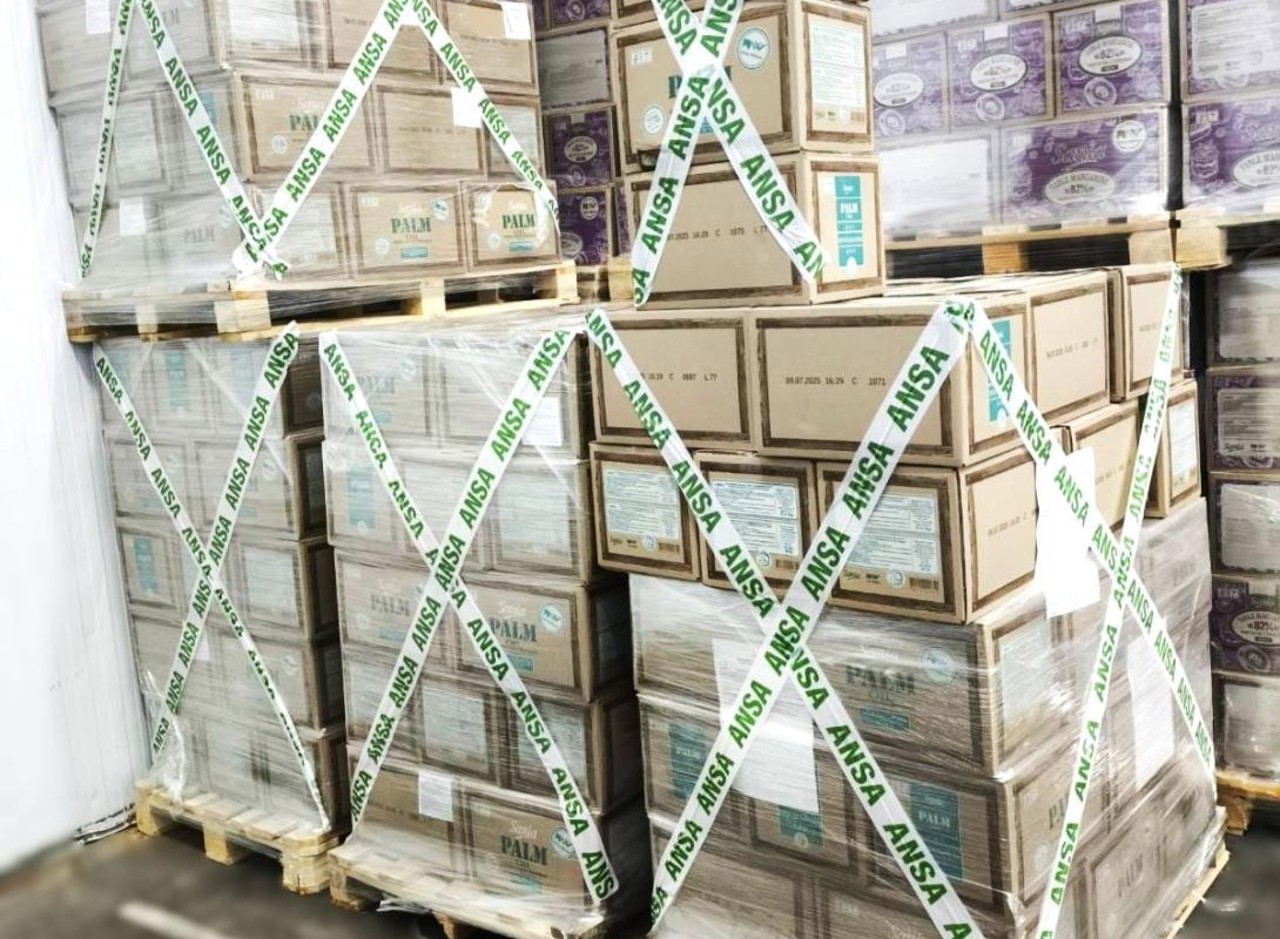
The National Agency for Food Safety (ANSA) has seized a 5,000-kilogram batch of palm oil at the importer's warehouse after analyses confirmed the oil exceeded legal limits for 3-monochloropropanediol (3-MCPD) and its esters.
3-MCPD contamination is linked to potential health risks, including kidney damage and diseases such as cancer. This decisive ANSA seizure prevents a significant risk to consumer health in Moldova.
Inspectors confirmed that the non-compliant oil was immediately detained and did not enter the consumer market.
The importer must now decide between returning the hazardous oil to the producer or proceeding with its destruction.
"3-MCPD and its fatty acid esters are process contaminants that form primarily during the high-temperature refining of vegetable oils and fats. Palm oil presents the greatest risk," ANSA specialists stated. "Its natural composition, particularly its high glyceride content, makes it especially susceptible to 3-MCPD formation during the deodorization stage."
The European Food Safety Authority (EFSA) has repeatedly underscored that 3-MCPD poses a risk to human health, prompting national legislation to set strict limits for its presence in food.
Consequently, vegetable oils and fats exceeding the maximum limits for the 3-MCPD contaminant are banned from being used as food ingredients. It is also strictly forbidden to blend them with compliant oils.
ANSA clarified that "The use of palm oil in the food industry is not forbidden, but its quality and safety are strictly regulated. Operators can only use it if it complies with the maximum contaminant limits imposed by food legislation."
Broader Food Safety Crackdown in Moldova
This seizure is part of a broader crackdown by ANSA. Just last month, the agency destroyed a 15-ton batch of fresh dill and parsley imported into R. Moldova after lab analysis indicated levels of the Propiconazole pesticide that exceeded the maximum allowed limit, posing a health risk.
November 19: ANSA destroyed two tons of potato starch found to contain the CaMV 35S promoter, a genetically modified organism (GMO).
Late November: Five tons of unsafe candies were stopped at the border after inspectors detected titanium dioxide, a food additive banned in the Republic of Moldova.
November 24: A 1,120 kg batch of black tea was destroyed due to high residues of the pesticide "Dinotefuran."
Three days later: ANSA seized 4,680 pieces of expired chocolate at the border.
Radu Musteața, Director of ANSA, stated on Moldova 1 that consumer health is the priority. He acknowledged that non-compliant products rarely bypass border controls, but when they do, the consequences for economic operators can include fines of tens of thousands of lei and subsequent court cases.
Musteața stressed that economic operators must submit a sworn declaration at the border, committing not to market the goods until laboratory analyses confirm their safety. If non-compliance is established after market placement, a product recall is mandatory.
"Non-compliant goods are stopped in warehouses and destroyed," Musteața emphasized, noting that fines can reach 75,000 lei, with repeated violations leading to the suspension of import rights.
Translation by Iurie Tataru