Apostolopulo estate: Local struggle to save historic winery
Many visitors come to the village of Saharna in the Rezina District to see the famous monastery, but few are aware that, on the village's periphery, stands the historic Apostolopulo Estate, built in the 19th century.
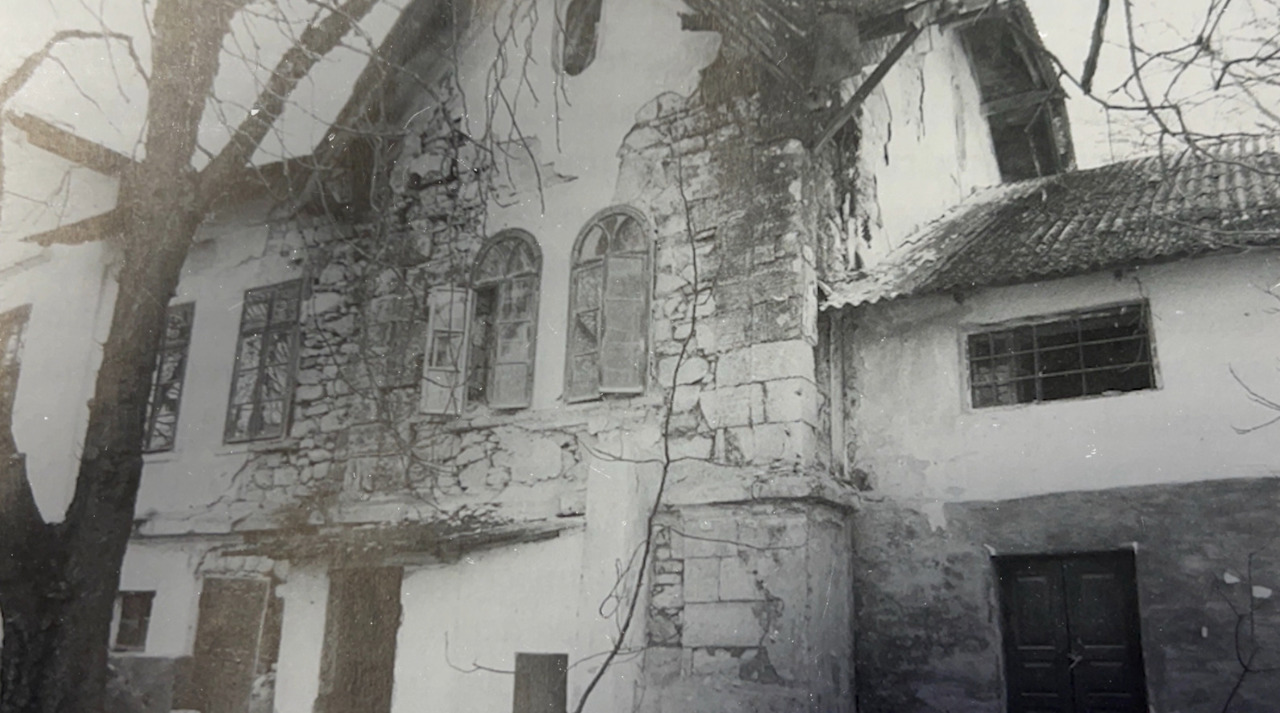
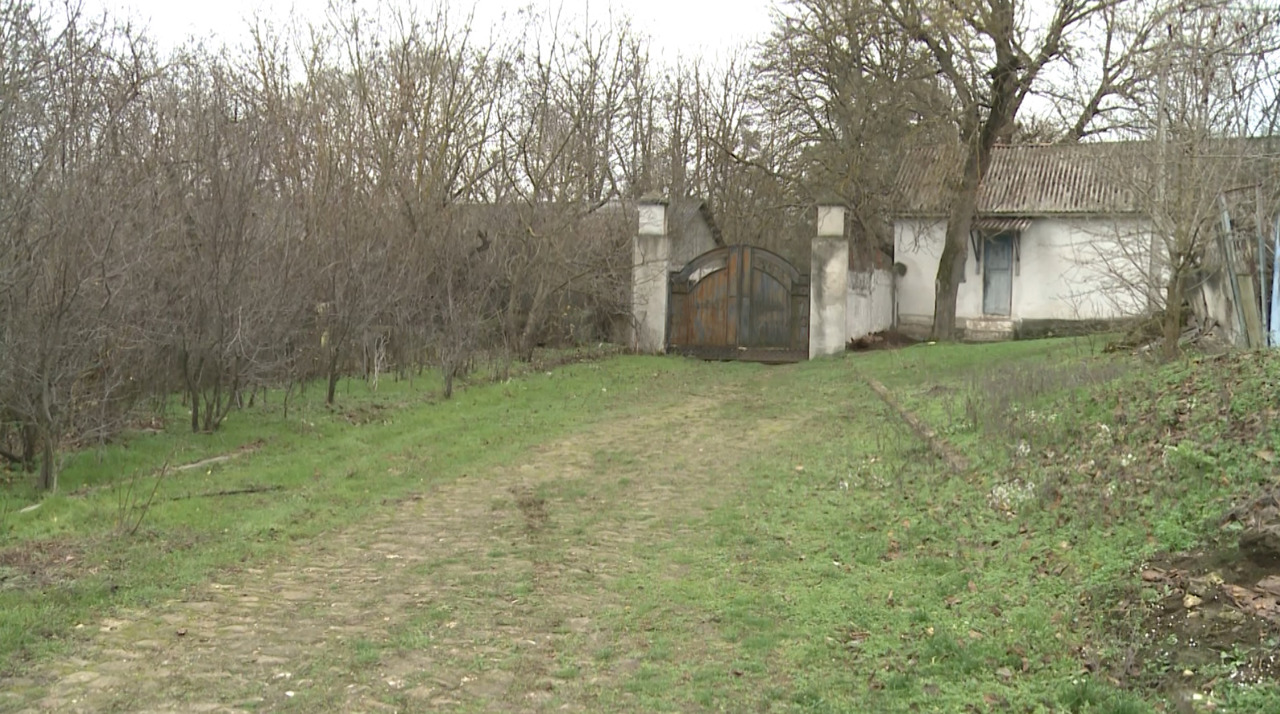
This property belonged to the Apostolopulo family, influential local landowners who significantly contributed to the community's life.
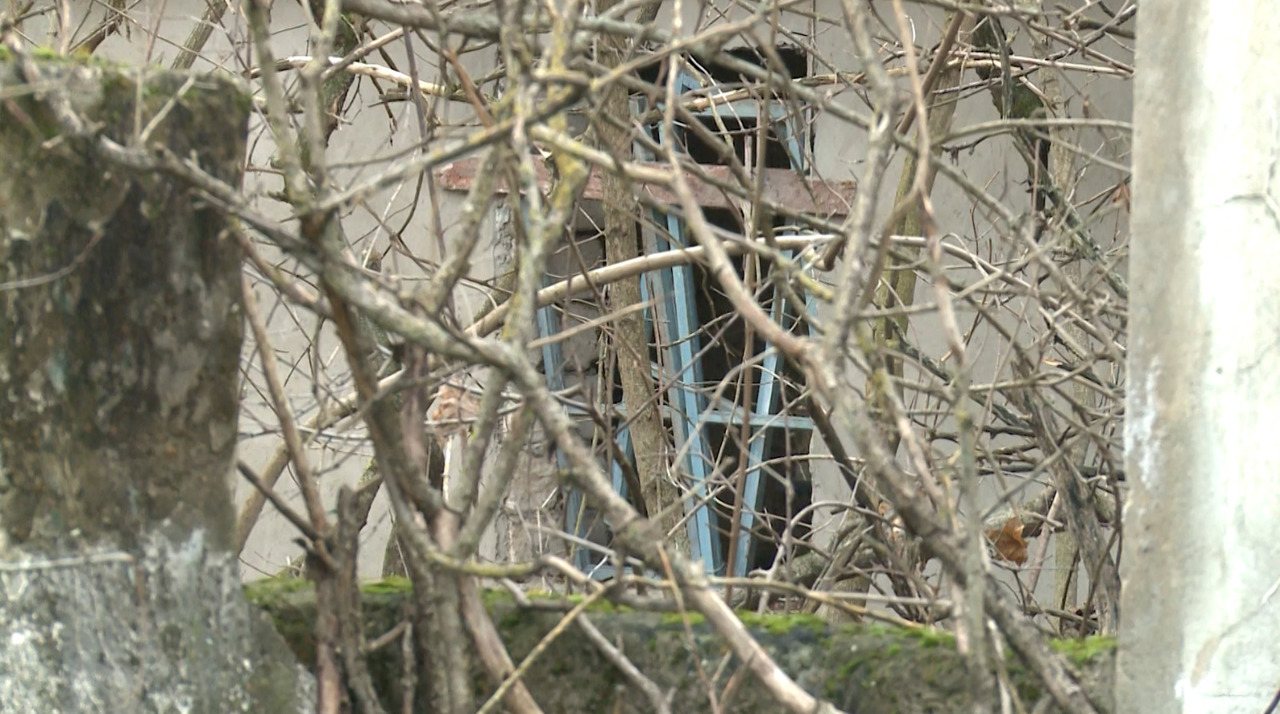
The imposing Saharna Mansion once housed various institutions, from an early viticulture school to a hospital for World War II invalids during the Soviet era. Today, only a roofless structure remains, featuring severely cracked walls and shattered windows.
The manor was once owned by Nicolai Apostolopulo, who was married to Eugenia, daughter of the landowner Ioan Bogdan of Cuhureștii Floreștilor. Access to the Apostolopulo Estate grounds is currently forbidden, as the main building is now private property.
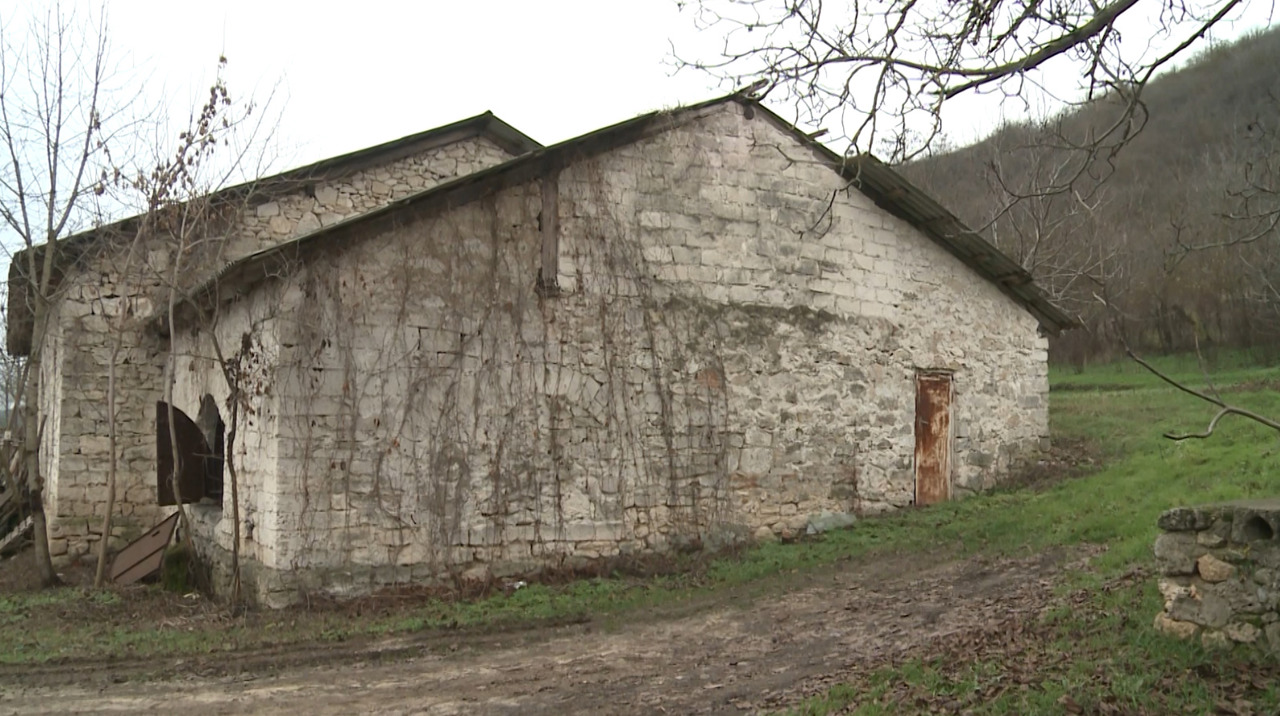
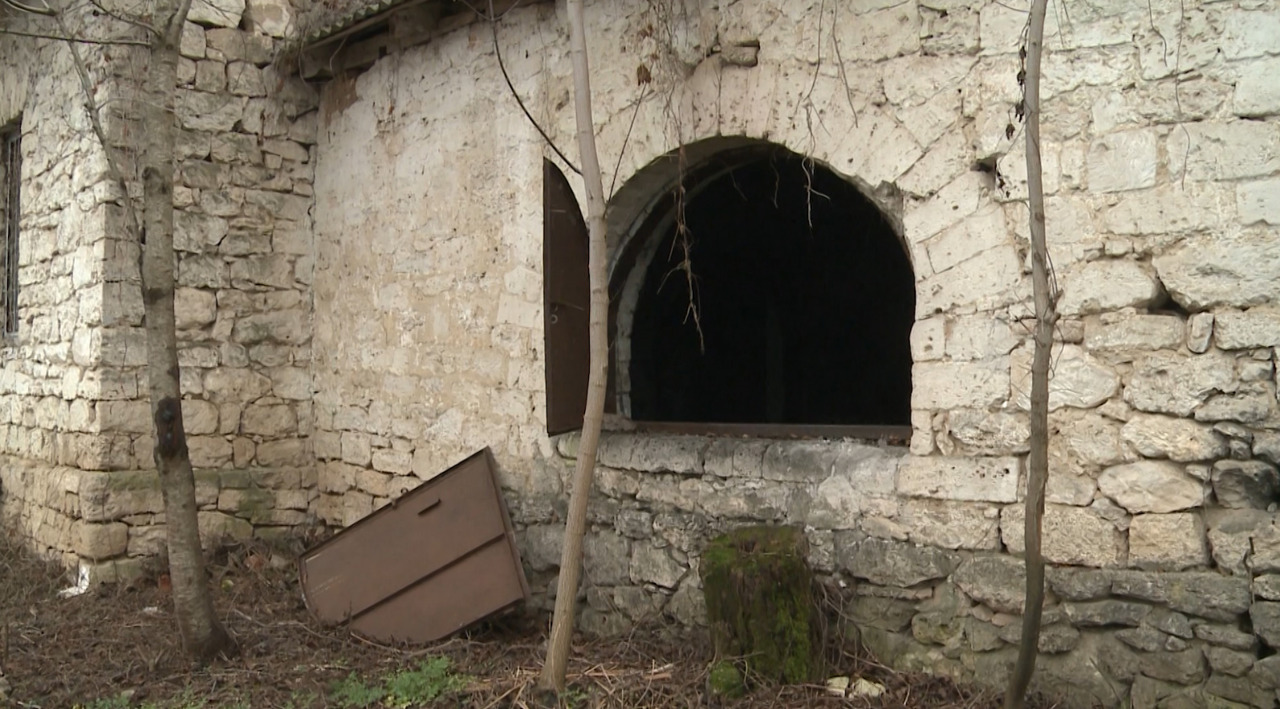
However, the adjacent cellars and the family's wine press house are the only parts open to the public.
The Apostolopulo Winery is the sole building freely accessible. In the 19th century, this annex was vital for producing and storing wines from the surrounding vineyards. Today, only faint traces of former barrels and a few stray bottles are visible inside the structure.
The winery, built in 1888, once boasted an impressive capacity. Grapes were crushed, fermented, and processed through massive presses before the finished wine was lowered into the deep cellar.
"As a historian, I have heard from older generations that, in the past, it was so large that an ox-cart could turn around inside," Victor Macrii, the mayor of the Saharna Nouă commune, told Moldova's public broadcaster.
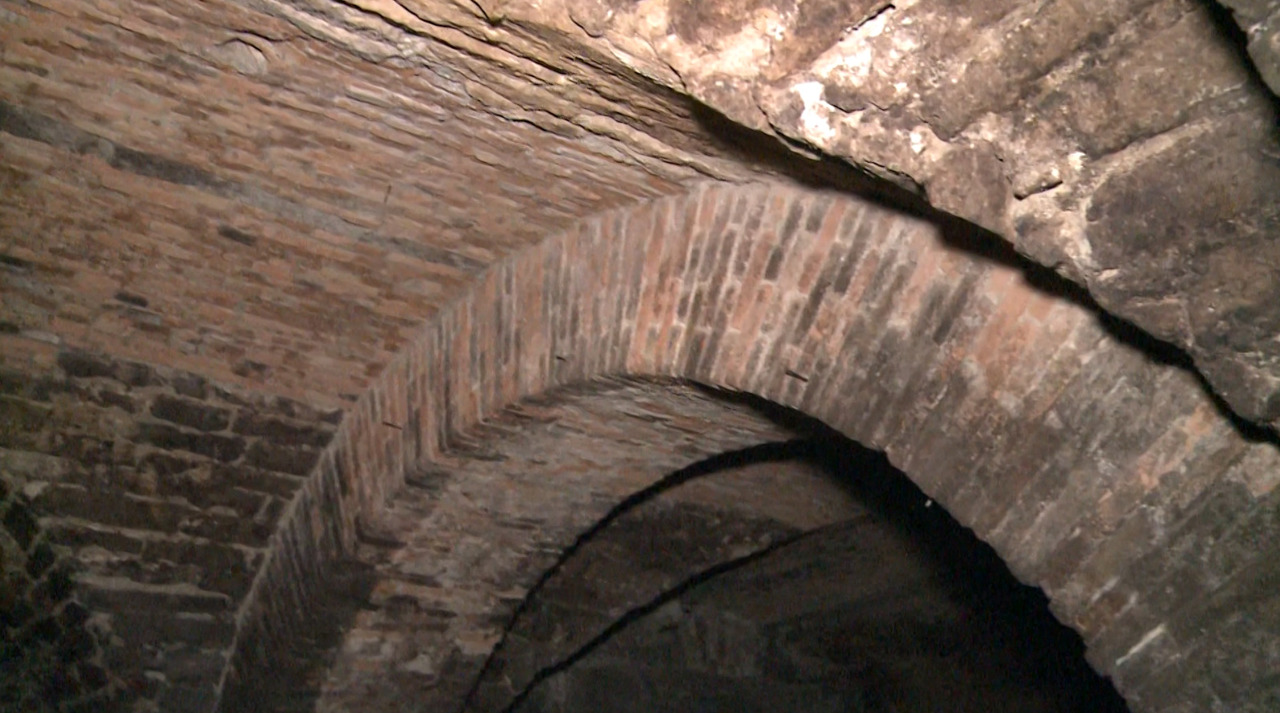
Today, the winery, partially dug into the rock and once the pride of the Apostolopulo complex, stands deserted—a collection of cold walls and empty rooms.
"It possesses quite valuable architecture; something like this is rare in Moldova. Regrettably, it is in a state of destruction, and our budget simply does not allow us to maintain or repair it," the mayor lamented.
To fully rehabilitate the historic winery, local authorities require a substantial sum—tens of millions of lei—money currently absent from the local budget.
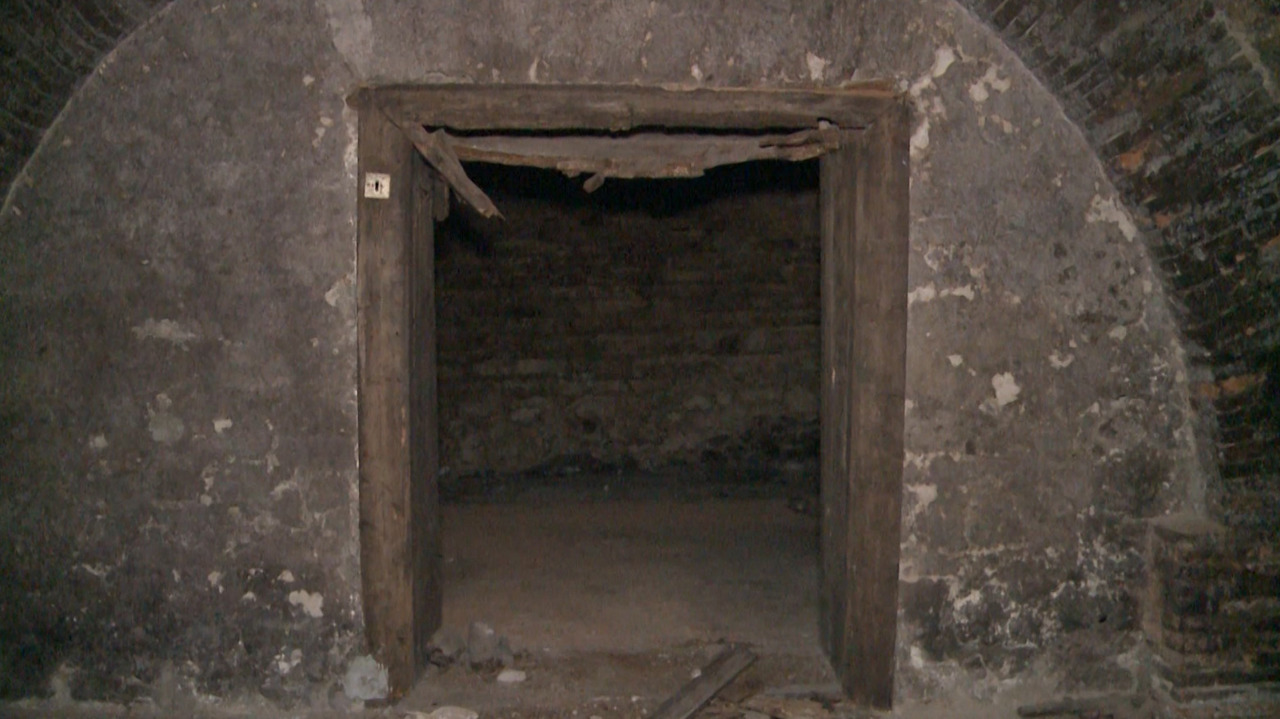
Mayor Macrii explains: "We started by wanting the asset to be looked after—to be put up for auction so that interested parties would take care and preserve the potential of Saharna. To invest here requires tens of millions. The situation is deplorable. The cellar is more or less preserved, but outside, the upper part and the wood are rotten, and the walls are sliding. It is in a very serious state."
While the winery annex might still be saved, the fate of the main Saharna Manor remains deeply uncertain. For over two decades, the main building of the historic landowner complex has been privately owned, and the owner is currently residing overseas.
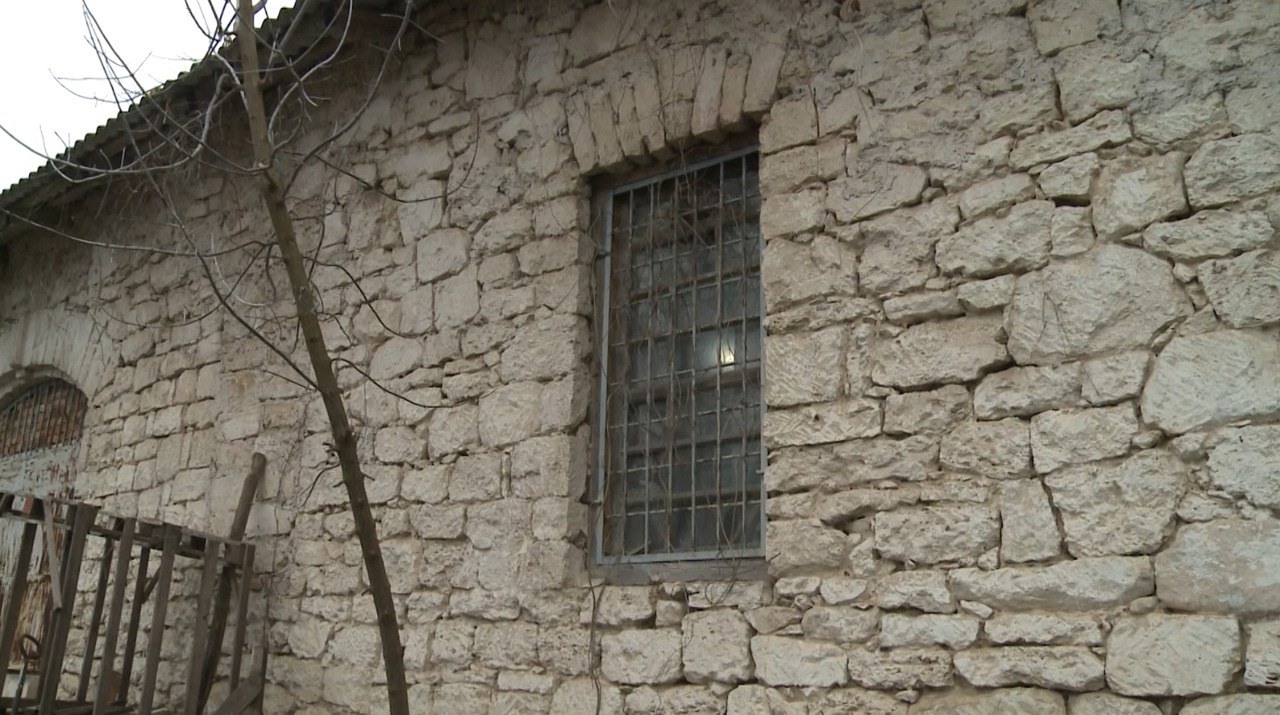
"Nothing is known about him. I haven't seen him; I don't know him. The territory is closed; no one has access. In the decades I've lived right next door, I've only stepped over the fence maybe three times—because the gate is closed—to see the situation. 30 years ago, after the boarding school was disbanded, the situation was still somewhat manageable, but now it is deplorable. I don't know if anything can be restored," says local librarian Maria Malai.
According to historical records, the mansion, the winery, the vineyard, and other arable lands were bequeathed to the Basarabia Zemstvo (a form of local administration) because the Apostolopulo family's only heir, their son, died at the age of just four.
The Apostolopulo Estate also served as a Viticulture and Pomiculture School, a hospital for WWII invalids, and a girls' boarding school. It is currently designated an architectural monument of national importance.
Moldova's public broadcaster is running a campaign dedicated to saving the historic mansions across the Republic of Moldova, aiming to highlight their historical and cultural value.
Through reports and interviews, the station seeks to reveal the dire condition of these buildings and their potential to become significant tourist attractions. Furthermore, the public broadcaster aims to mobilize authorities to prevent the irrevocable loss of this heritage.
Translation by Iurie Tataru