New US-backed power line secures Moldova's EU energy future
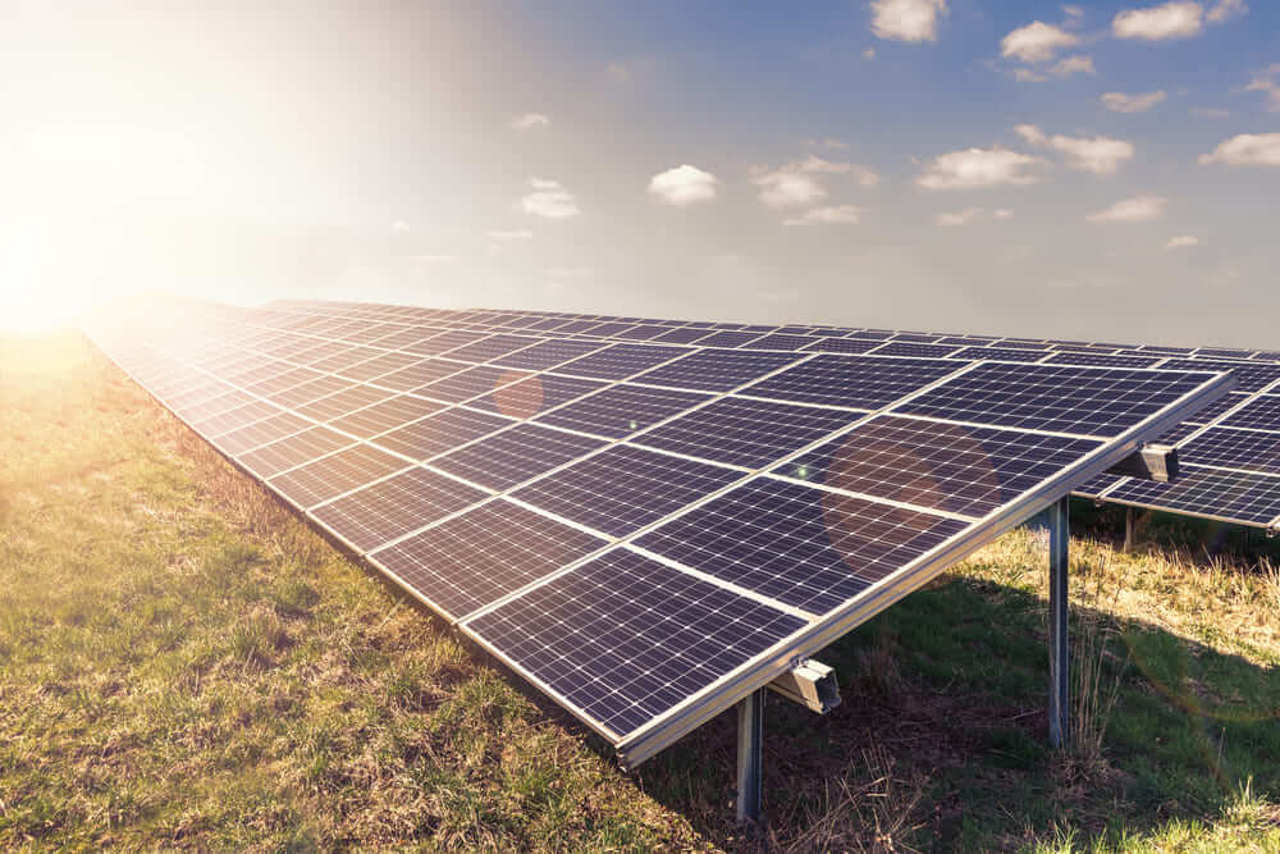
The Republic of Moldova is rapidly approaching the 25% threshold for electricity from renewable sources.
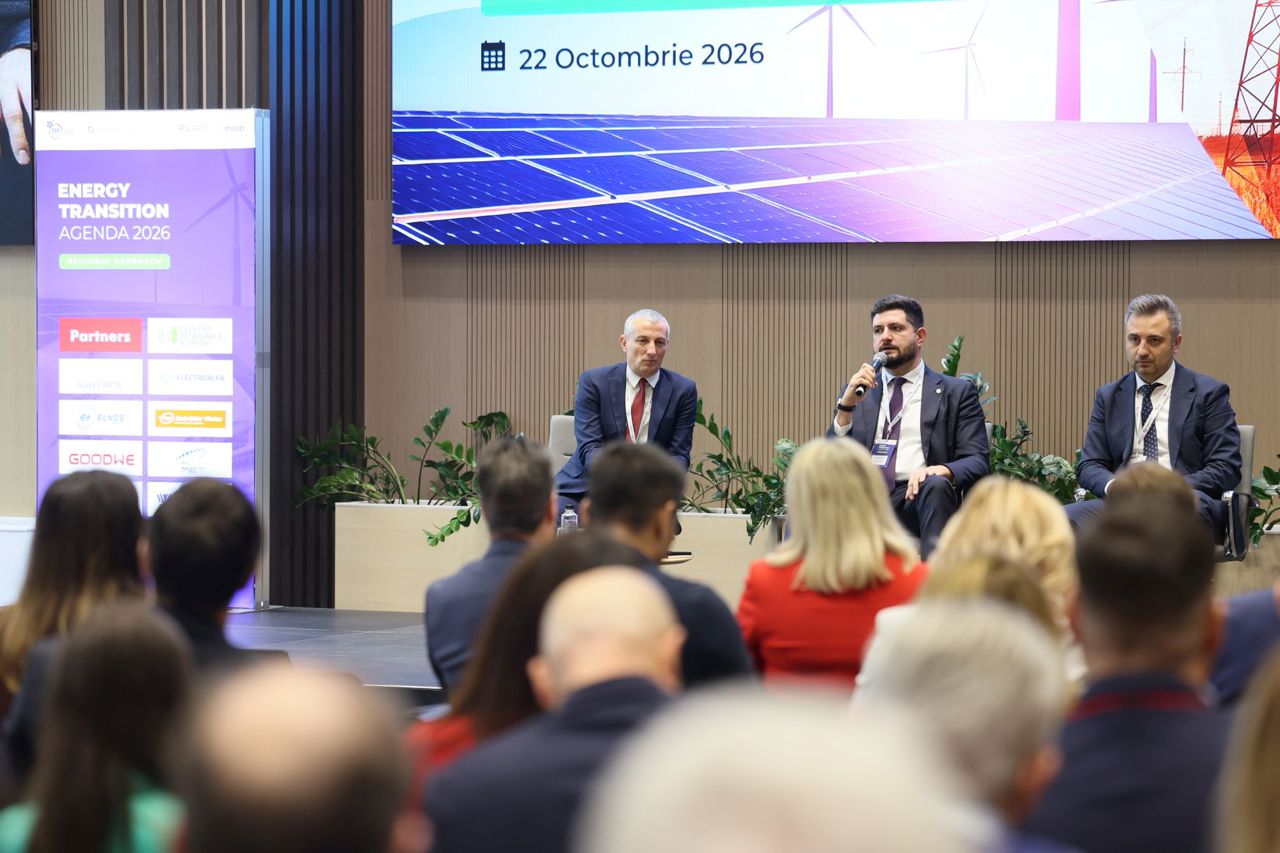
This significant progress was highlighted at a recent meeting of the Sectoral Council for external assistance, which convened key representatives from international development partners and national energy institutions.
According to the Ministry of Energy, the country’s total installed renewable energy capacity has surged to 930 MW, marking an increase of over 350 MW in a single year. This rapid expansion is a direct result of substantial green energy investments, supported by international partners. Authorities stress that this move is vital for reinforcing national energy security and drastically reducing import reliance.
Energy Minister Dorin Junghietu framed the expansion of green energy as a top priority within the volatile current regional context—a strategic move to counter potential supply risks and Russian dependence amplified by geopolitical tensions.
“Global energy markets remain unstable due to geopolitical tensions and supply risks. In response, Moldova is concentrating its efforts on diversifying sources and modernizing its entire energy infrastructure,” said Minister Junghietu.
Over the past few years, the country has actively diversified its gas and electricity supply routes, successfully weakening its historic reliance on the Russian Federation. Cooperation with Romania, Ukraine, and other European partners has been significantly consolidated, alongside key legislative reforms in the natural gas and electricity sectors.
Accelerated Progress on EU Accession Reforms
Cristina Pereteatcu, the State Secretary of the Ministry of Energy and chief of the working group for the Energy negotiating chapter, provided an update on the progress of reforms required for Moldova's EU accession.
She announced that out of 79 planned actions for the 2025–2029 period, substantial milestones have been achieved ahead of schedule, demonstrating the commitment to swift EU integration.
Major infrastructure projects are well underway. These include a critical new high-voltage line directly linking the national grid to the European system, financed by the Government of the United States. Furthermore, natural gas transport infrastructure is being modernized through the expansion of the key Iași–Ungheni–Chișinău gas pipeline, which connects Moldova to the European Union via Romania.
The new high-voltage connection is projected to open up future regional interconnections.
Parallel initiatives include the ongoing Smart Metering Pilot Program, aiming for 100,000 consumers by 2027, and the newly launched Digital Transformation Program (2026–2030), which focuses on cybersecurity and further accelerating the green energy transition.
Translation by Iurie Tataru