Moldova gains energy security via new vertical gas corridor
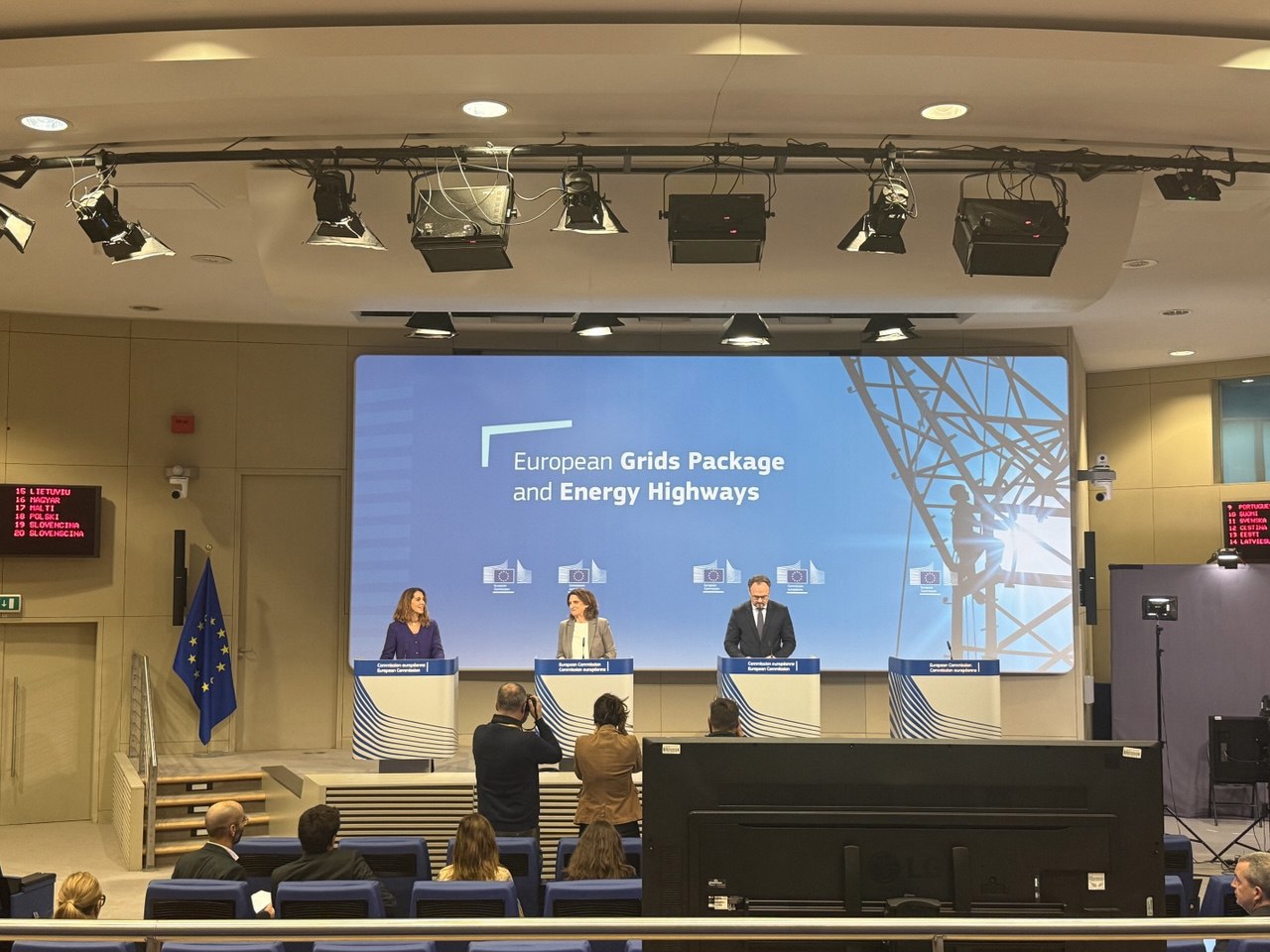
The European Union (EU) is embarking on an ambitious phase of EU Energy Modernization, a colossal effort estimated at €1.2 trillion by 2040.
Crucially, the non-EU candidate nation of Moldova is among the beneficiaries of the new interconnectivity policies announced on December 10 in Brussels. The cornerstone is the European Grids Package and the associated "Energy Highways" initiative, which aim to strengthen energy infrastructure across the continent, facilitating the integration of clean power and reducing costs for consumers.
During the launch of the European Grids Package, European Commissioner for Energy and Housing, Dan Jørgensen, stressed the strategic importance of these reforms for countries in the Eastern Neighborhood, speaking to local media.
"This is a great benefit for both Moldova and Ukraine, which are now connected to our energy systems," the commissioner stated. "As they proceed with EU accession, all the elements we propose here will become highly relevant for these two nations."
Jørgensen specifically highlighted natural gas projects nearing completion. These will consolidate the energy supply of Central and South-Eastern Europe and directly integrate Moldova and Ukraine into the core European energy architecture.
A strategic project under this new initiative is the Vertical Gas Corridor. This vital infrastructure directly connects Moldova, Ukraine, and Slovakia with Greece, Bulgaria, Romania, and Hungary, allowing for crucial bidirectional gas flow. This corridor is essential for Moldova Energy Security in the region, especially given that Russia remains an unpredictable energy source.
"Unfortunately, we are once again facing a winter where Ukraine will be under very high pressure for both gas and electricity," the Commissioner warned. "We will do everything we can to help ensure there is electricity and heat in homes in Ukraine and Moldova."
Direct Benefits for Moldova:
The package ensures direct advantages for Moldova, including:
Stronger interconnectivity with the European electricity and gas network.
Access to cheaper and more stable energy via the new corridors.
Increased security during crisis periods, especially the cold season.
Alignment with EU standards, a fundamental step in the nation's accession process.
What Brussels is Proposing
The European Commission aims to transform energy grids into a single, integrated infrastructure, capable of transporting clean and cheap energy across the entire bloc. Key elements of the plan include:
A unified European approach to infrastructure planning.
Simplified authorization procedures.
A fairer cost distribution for cross-border projects.
Additional financing through the next long-term EU budget framework (the Multiannual Financial Framework, 2028-2034). This framework proposes a fivefold increase in the Energy budget, from €5.8 billion to €29.9 billion.
Attracting private investment through new, guaranteed financial mechanisms
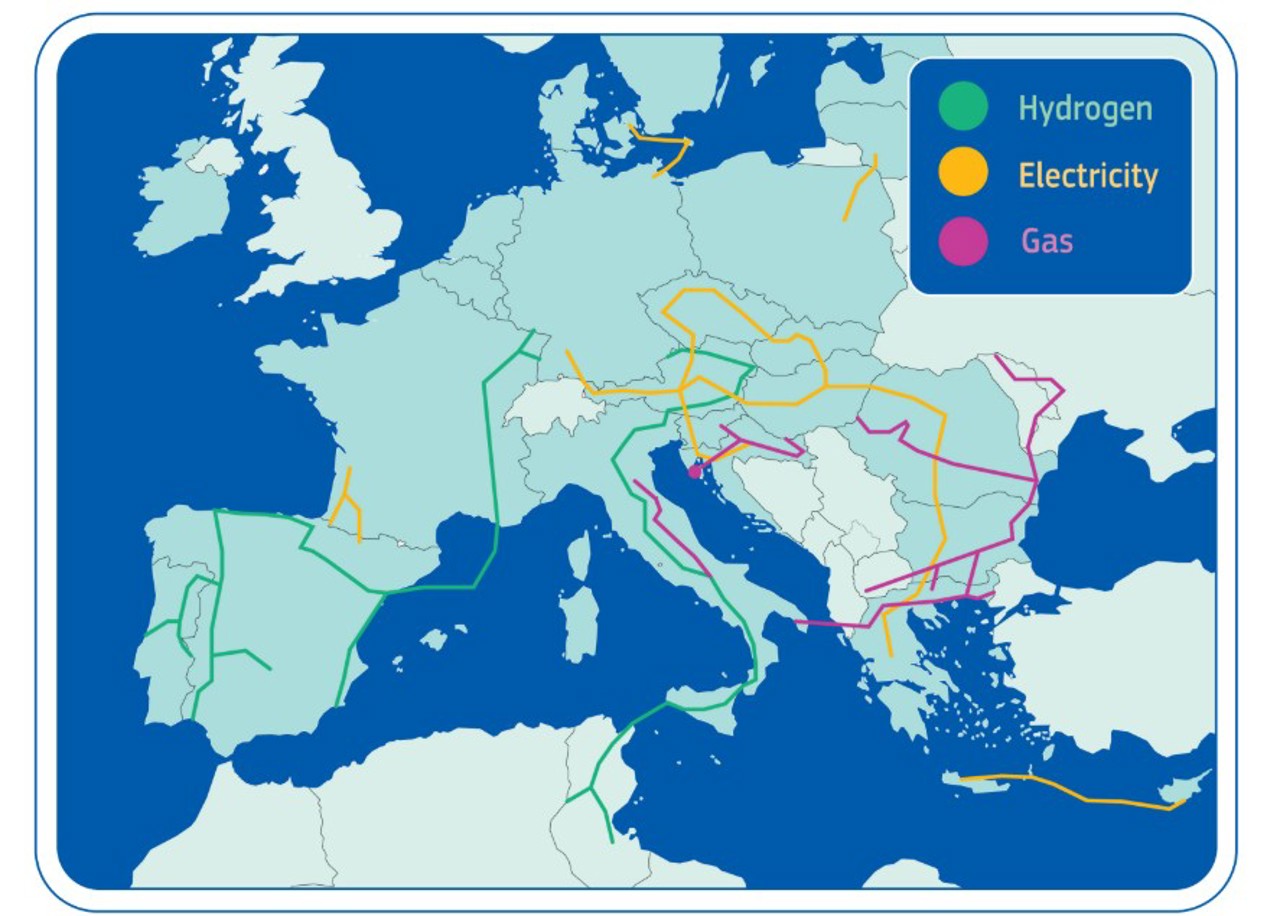
Furthermore, the eight "Energy Highways" announced by European Commission President Ursula von der Leyen will be implemented. The Commission will work closely with member states and partner countries, including Moldova, to accelerate these vital projects.
The Commission's plan targets infrastructure consolidation through electrical interconnectors and storage. The focus includes the full integration of the Iberian Peninsula, connecting Cyprus to continental Europe, and establishing links with the Baltic States.
The document also provides for offshore hubs in Denmark, increased storage capacity in the south-east, and the development of hydrogen corridors. These are planned for routes like Tunisia-Italy-Austria-Germany and Portugal-Germany, all with political coordination and support. The overarching goal is achieving Climate Neutrality by 2050 and drastically reducing dependence on fossil fuels.
A European Response to Geopolitical Pressure
The new energy architecture is a direct response to current geopolitical and economic pressures. In 2022, fossil fuels still accounted for 70% of the energy used in the EU, with 98% of oil and gas being imported. Insufficient interconnection has led to massive price disparities; for example, in 2025, electricity prices varied from €0.10/kWh in Hungary to €0.38/kWh in Germany.
European officials confirm that these new investments will mitigate price shocks and create a competitive, single energy market.
"This is our common energy project that supports an affordable standard of living, economic competitiveness, and security," Jørgensen concluded during the official presentation in Brussels.
As Brussels ramps up massive infrastructure investments and accelerates the green transition, Moldova becomes an integral part of the new European energy map—one that is safer, more interconnected, and less dependent on imported energy resources.
The legislative proposals will be submitted to the European Parliament and Council under the ordinary legislative procedure. The Commission will continue to collaborate closely with all relevant stakeholders to implement the key cross-border energy infrastructure projects.
Translation by Iurie Tataru