Russian military intelligence targeted 2025 election
Germany has formally accused Russia of conducting major cyberattacks and electoral interference. Berlin announced that it identified two large-scale cyber operations attributed to Moscow: one targeting German air traffic control and the other focusing on the February 2025 parliamentary elections.
In a swift diplomatic move, the German government summoned the Russian ambassador for explanations. Russia has yet to comment on the serious accusations.
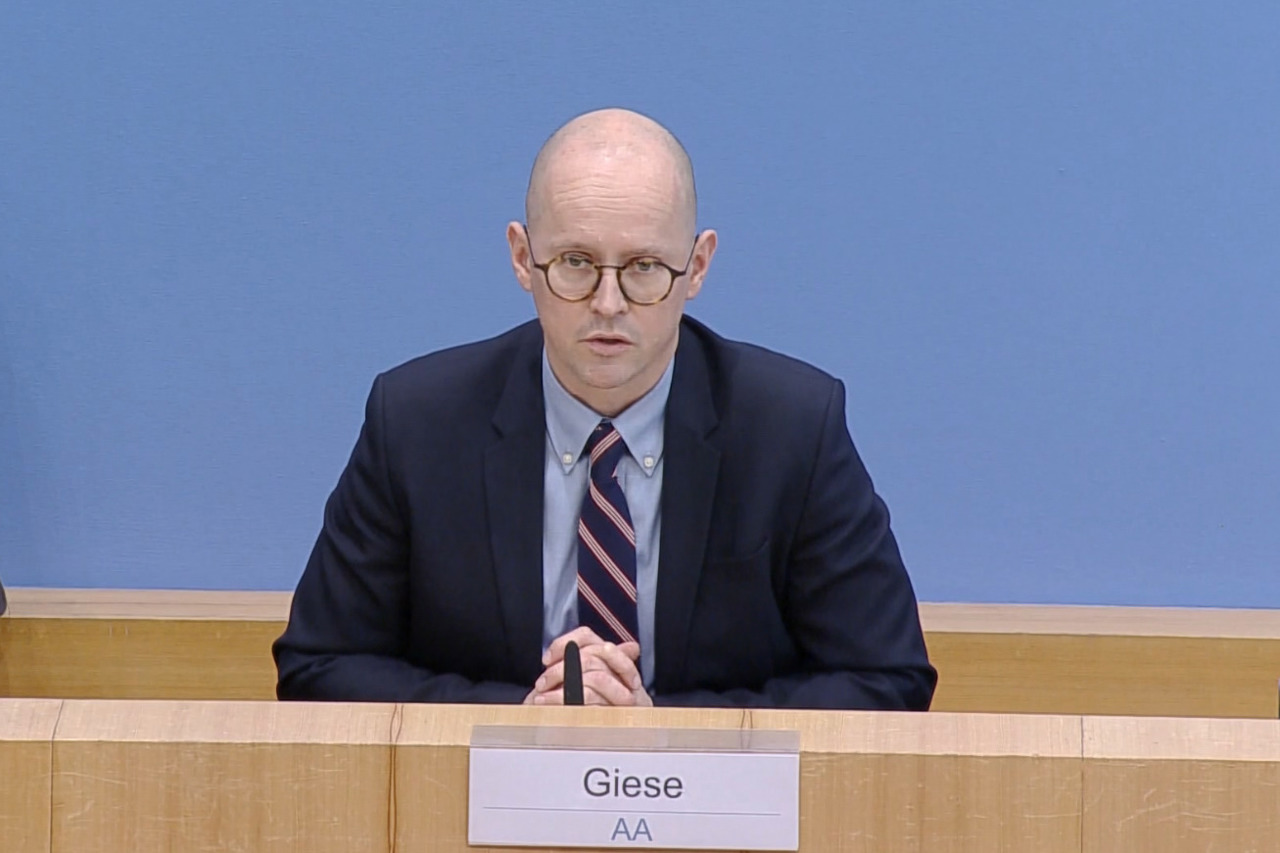
"Our intelligence data indicates that Russia's military intelligence service is responsible for this attack," declared Martin Giese, a spokesperson for the German Foreign Ministry.
Giese added: "We can also state with certainty that Russia continuously tried to influence and destabilize both the last federal elections and the internal political life of the Federal Republic of Germany through the Storm-1516 disinformation campaign."
The clear objective of these Russian cyber and disinformation attacks, according to the Ministry, is to divide society, create distrust, provoke rejection, and ultimately weaken confidence in democratic institutions.
"I can tell you that, in close coordination with our European partners, we are taking a series of countermeasures to make Russia pay a price for its hybrid actions," Giese specified. "Furthermore, we support the introduction of new individual EU sanctions against the actors involved, including travel bans, asset freezes, and a prohibition on supplying economic resources."
"Storm-1516" is widely regarded as one of Russia's most aggressive online disinformation campaigns. German authorities affirm they possess "credible evidence" indicating the involvement of entities linked to Moscow's military services.
Regarding the election interference, during the federal electoral campaign, videos were circulated online featuring a false "doctor" who claimed that Friedrich Merz, then a Chancellor candidate and now the current German Chancellor, had previously been treated for serious mental health issues. The documents presented were later proven to be fabricated. The Russian Embassy in Berlin, when contacted by AFP, offered no immediate comment.
Translation by Iurie Tataru