December climate in Moldova: Crippling frost and unseasonal warmth
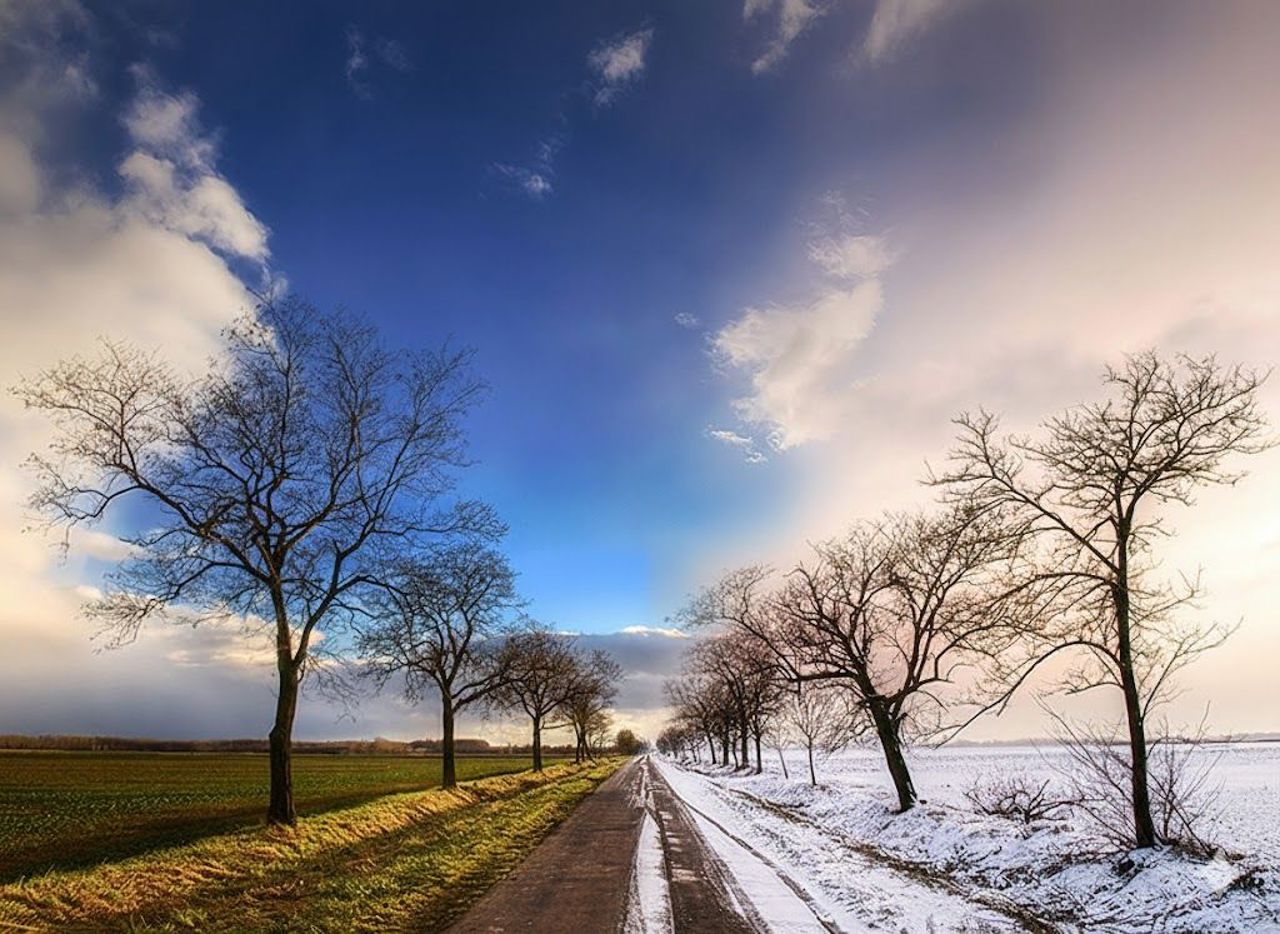
December typically marks the start of the meteorological winter in Moldova. In most years, the average monthly air temperature is negative across almost the entire country, ranging from about 0°C in the south to -2°C in the north.
However, specialists highlight that above-zero temperatures are not uncommon, especially in the southern regions, where such unseasonal episodes are recorded, on average, once every two years.
This high variability—a key feature of the December climate in Moldova—is clearly demonstrated by historical weather data.
The coldest December on record was in 2002, when average monthly temperatures dropped to a frigid -8°C in the country's north. At the opposite end, December 1960 remains the warmest month in meteorological observations, with average values reaching up to +5.8°C in the south.
Wild Swings and Crippling Frost
Throughout the month, daily temperatures can undergo wild fluctuations. Lows of up to -30.2°C were recorded in the northern city of Bălți at the end of December 1996, but also highs of nearly +19°C in the southern city of Ceadîr-Lunga in December 2008.
In a typical December, there are between 3 and 6 days with sub-zero temperatures below -10°C, and one or two days below -15°C. Episodes of crippling frost, dropping below -20°C, are rare but possible in some years.
Precipitation and Historic Snow Depths
The average amount of precipitation in December is a moderate 30–40 mm, distributed over 10–13 days. Interestingly, in certain years, December has been recorded with virtually no precipitation at all. Rain accounts for about half of the total amount, while snow constitutes, on average, less than 20%.
While snow cover usually forms after December 5, its average thickness generally does not exceed 5 cm. In rare circumstances, however, snow can reach historic depths—up to 60 cm, as happened in the southern city of Cahul in December 1975.
Seasonal Risks: Fog, Black Ice, and Blizzards
December frequently brings phenomena that can create significant disruption for transport and everyday life. Fog is present, on average, between 3 and 12 days per month, and black ice and hoarfrost occur for 3–9 days. Icing on roads is reported for about a week, and blizzards—one or two days.
The most dangerous weather events remain heavy snowfalls, which occur, on average, once every seven years, as well as episodes of intense black ice or extreme temperature swings, especially in the north of the country.
Crucial Agricultural Risk
By December, autumn crops are generally in winter dormancy. Well-developed plants, which are sufficiently hardened, can withstand soil temperatures down to -16°C to -18°C.
However, a major agricultural risk is represented by temporary warming periods, with daily temperatures above +5°C. Under such conditions, crops can prematurely resume vegetation. A subsequent sudden, sharp cooling can seriously damage them.
Specialists estimate that the probability of the soil temperature dropping below -12°C in December is relatively low, between 5 and 15%. Yet, this risk is not excluded, particularly in the absence of a protective snow layer.
Translation by Iurie Tataru