Tiraspol reintroduces state of emergency in economy
The Transnistrian region is facing an economic emergency due to difficulties in natural gas deliveries. Three of the largest industrial enterprises on the left bank of the Nistru have been shut down, resulting in tens of thousands of job losses and significant financial losses for the region’s budget. In light of this situation, experts believe there may be a potential opportunity for Chisinau to address the Transnistrian conflict.
The guests of the show "Public Space" on Radio Moldova, during the edition on December 16, emphasized that the reintroduction of the state of economic emergency on the left bank of the Nistru is not an isolated incident but rather a symptom of the structural decline of the Transnistrian economic model, which relies on cheap gas and political subsidies.
The authorities in Tiraspol announced the reintroduction of the state of emergency in the economy. A decree is expected to be signed by the leader of the breakaway regime, Vadim Krasnoselski, and will be submitted for approval to the so-called Supreme Soviet.
Regional press reports indicate that this decision is motivated by difficulties in delivering natural gas. To ensure the population's consumption, the Tiraspol administration has imposed severe restrictions on the industrial sector.
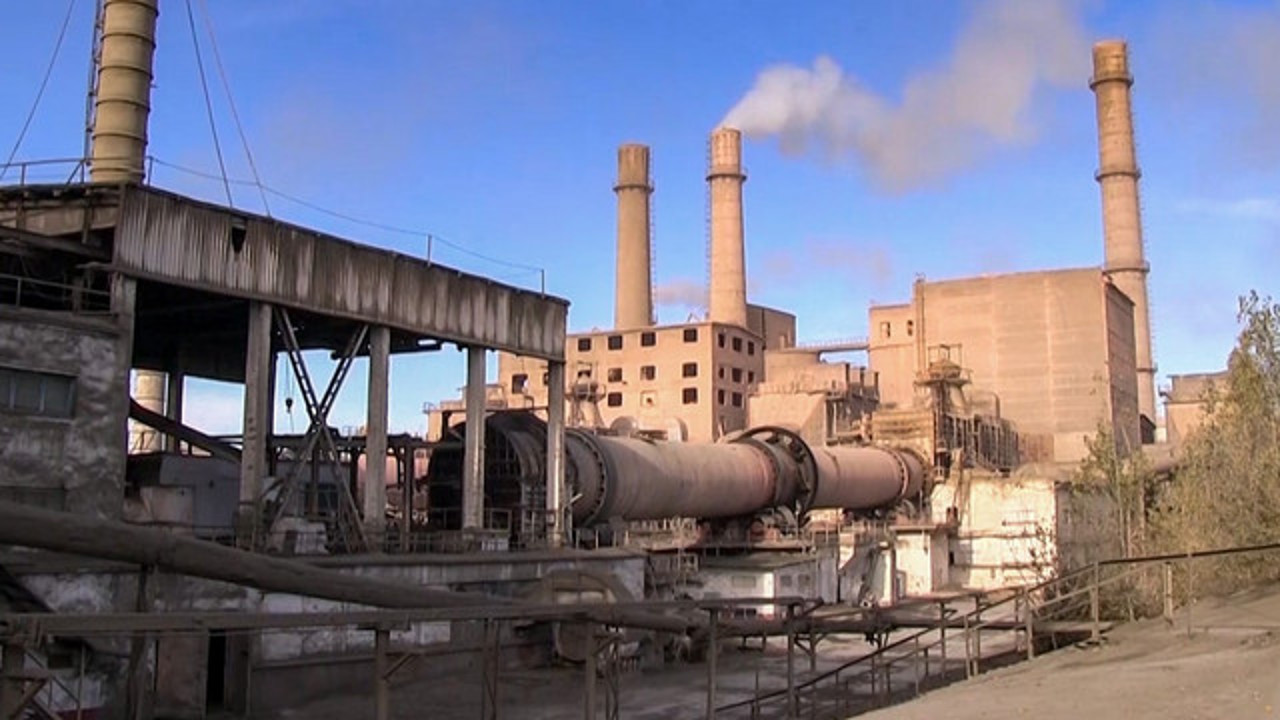
As a result, three key enterprises—the Râbnița Cement Plant, the Moldovan Metallurgical Plant, and the textile plant—have suspended their activities, and employees have been placed on technical unemployment.
The gas supply to Tiraspol has been affected by international sanctions imposed on Russia.
Energy and banking analyst Sergiu Tofilat stated that the current situation reflects a long-standing structural vulnerability. "Russia has reduced gas supplies, and for over 30 years, Tiraspol has failed to develop a sustainable economy capable of procuring gas or energy from other sources. Thus, they are completely dependent on Moscow," Tofilat remarked during Radio Moldova’s "Public Space" program.
Tofilat noted that the ongoing energy crisis is not just an economic issue but a strategic one, presenting "opportunities" for Chișinău. "This situation provides us with new perspectives. Any crisis also brings opportunities. For us, the opportunity lies in the fact that if gas supply ceases, we can discuss the reintegration of the country," he said.
Political analyst Anatol Țăranu explained that the current difficulties in gas supply are closely linked to international sanctions imposed on Russia. "Russia is compelled to negotiate with various companies because it is under sanctions. This includes any financial transaction that provides the Transnistrian region with gas through a Hungarian company, which is now at risk of falling under sanctions," the analyst noted.
In this context, Țăranu recalled that the European Union offered a grant of 60 million euros to help the region on the left bank of the Nistru overcome the energy crisis, which Tiraspol has rejected for the time being.
From a political perspective, Țăranu believes that Russia will continue to support the Transnistrian region, but it no longer has direct means to do so. "As long as Moscow maintains its current policy, with its focus on restoring the so-called Russian world, it will continue to supply gas to the Transnistrian region for free. The issue is that they lack direct access; they do not have a direct pipeline to pump gas and must find alternative routes. These routes are often complicated by the influence of various factors that make the operation of this scheme as difficult as possible," Țăranu pointed out.
People are leaving the breakaway region
The impact of the ongoing crisis is being felt directly by the population of the breakaway region, extending beyond mere numbers and political decisions. Evgheni Ceban, co-founder and editor-in-chief of the MOST media project, highlights that the prevailing sentiment among residents is one of fatigue and a lack of perspective for the future.
“The primary feeling among people is one of weariness with the political uncertainty and daily life. They have no confidence in the future because there is a recurring gas supply issue almost every month. They live in a gray area,” Ceban stated during an interview with Radio Moldova.
According to Ceban, dissatisfaction among the locals isn't manifesting through protests; rather, it is expressed through their daily migrations, particularly to the right bank of the Dniester River.
“They protest by choosing to leave. If there were a train running from Tiraspol to Chisinau that departed in the morning and returned in the evening, there would be no workers left on the left bank, as salaries are nearly double on the right bank,” Ceban noted.
In this context, Anatol Țăranu stressed the need for a strategic approach from Chisinau during a discussion on “Spațiul Public,” emphasizing that the situation in the region could potentially impact specific economic interests.
"We need to unite and develop a cohesive plan. First, we should consider a diplomatic approach. Why don’t we start preparing for a national conference right now to discuss a political settlement for the Transnistrian conflict? Secondly, the informational aspect is equally important. Our discussion today aligns perfectly with the focus that Chișinău's informational policy should have regarding the Transnistrian region," Țăranu emphasized.
Fragile economic context on the left bank of the Nistru:
• Budget revenues for the Transnistrian region decreased by 92 million rubles in the first nine months of the year.
• "Exports" fell by 22%, while "imports" decreased by 19%.
• Despite the crisis, 15.4 million rubles have been allocated for the upcoming presidential elections scheduled for December 13, 2026.