Legal gaps or political deadlock? Chisinau parking project on hold
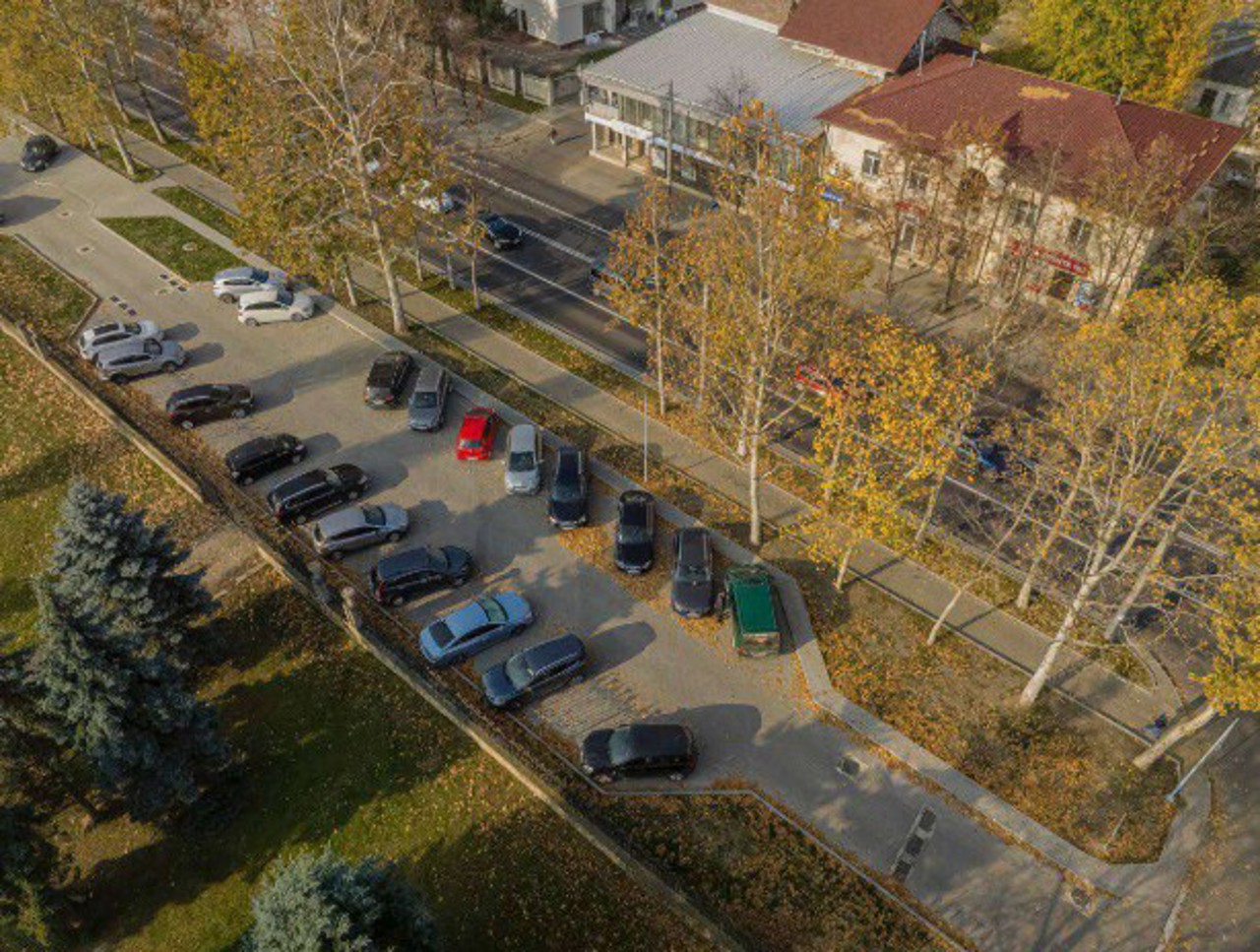
The rollout of paid parking in Chisinau remains paralyzed due to what local authorities describe as "legislative gaps."
Although the Chisinau General Directorate for Urban Mobility (DGMU) has finalized the regulations, officials claim the plan cannot be enforced without urgent amendments to Moldova’s National Tax Code and the Misdemeanor Code.
During a Chisinau Municipal Council (CMC) meeting on December 18, Dorin Ciornîi, the interim head of DGMU, explained that the regulatory framework was ready as early as 2024. However, during the review process, the Ministry of Finance recommended shifting from a "parking fee" to a "local parking tax." This technical change exposed a major hurdle: the current national law does not allow for tiered pricing based on city zones or for "reserved" parking spots.
"Consequently, key mechanisms of the regulation cannot be legally implemented," Ciornîi stated. He added that while the technical plan is complete, any vote by the Council would be purely symbolic without the power to actually issue fines or enforce rules.
Parliamentary Proposal vs. Local Deadlock
To break the impasse, the "Alternativa" political bloc has introduced a bill in Parliament. This legislation aims to provide the necessary legal foundation for municipal authorities to zone the city, apply differentiated taxes, and delegate enforcement powers—including the authority to sanction non-payment—directly to local officials.
Iurie Crivirucico, an advisor to the Mayor, argued that this bill is essential for bringing order and transparency to a sector that has been managed in fragments for years.
The urgency is driven by a massive surge in traffic. Sergiu Popovici, head of the Parking Department, revealed that the number of cars registered in Chisinau has skyrocketed. In 2020, the city had approximately 220,000 vehicles; by 2025, that number had swelled by an additional 160,000, reaching 380,000. "Finding a parking spot is becoming impossible. We are at a standstill caused by outdated laws," Popovici noted.
Ruling Party Deputy: "No more legal impediments"
In contrast, Alexandr Trubca, a member of Parliament from the ruling PAS party and a former municipal councilor, insists that the current legal framework is more than sufficient. He maintains that legislative updates made in 2022 and 2023 already allow any Moldovan municipality, including the capital, to manage paid parking.
According to Trubca, the National Tax Code explicitly defines the "parking tax," giving local authorities the power to calculate, manage, and collect it. Furthermore, he argues that the Misdemeanor Code already provides the tools to penalize violations.
"Violating local parking rules is, by definition, a violation of general parking regulations," Trubca wrote on social media. He believes the City Hall is free to move forward immediately, activating the tax provisions and beginning the installation of a public parking system.
Between 2019 and 2025, Chisinau added approximately 5,000 on-street parking spaces, including 2,000 free spots created during courtyard renovations. However, without a centralized paid system, the city continues to struggle with unregulated parking and congestion.
Translation by Iurie Tataru