UNFPA donated state-of-the-art blood collection equipment to the Republic of Moldova, in a batch worth USD 420,000
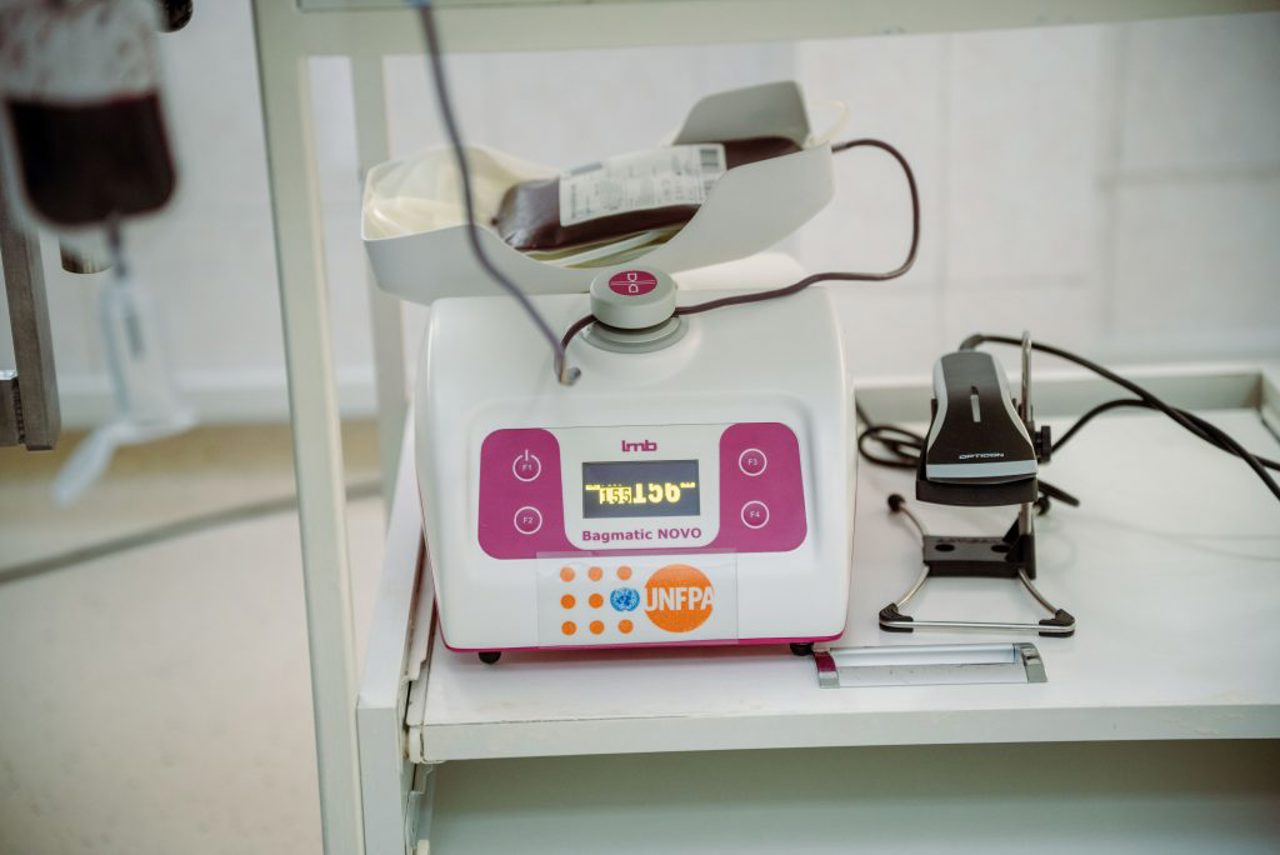
The National Blood Transfusion Center, along with various district hospitals across the country, has received advanced medical equipment for blood collection. This new equipment includes 20 blood collection mixer scales, 48 specialized donor chairs, 13 large-capacity refrigerators, and 14 freezers for plasma storage. Additionally, there are laboratory thermostats and 27 plasma thawing devices.
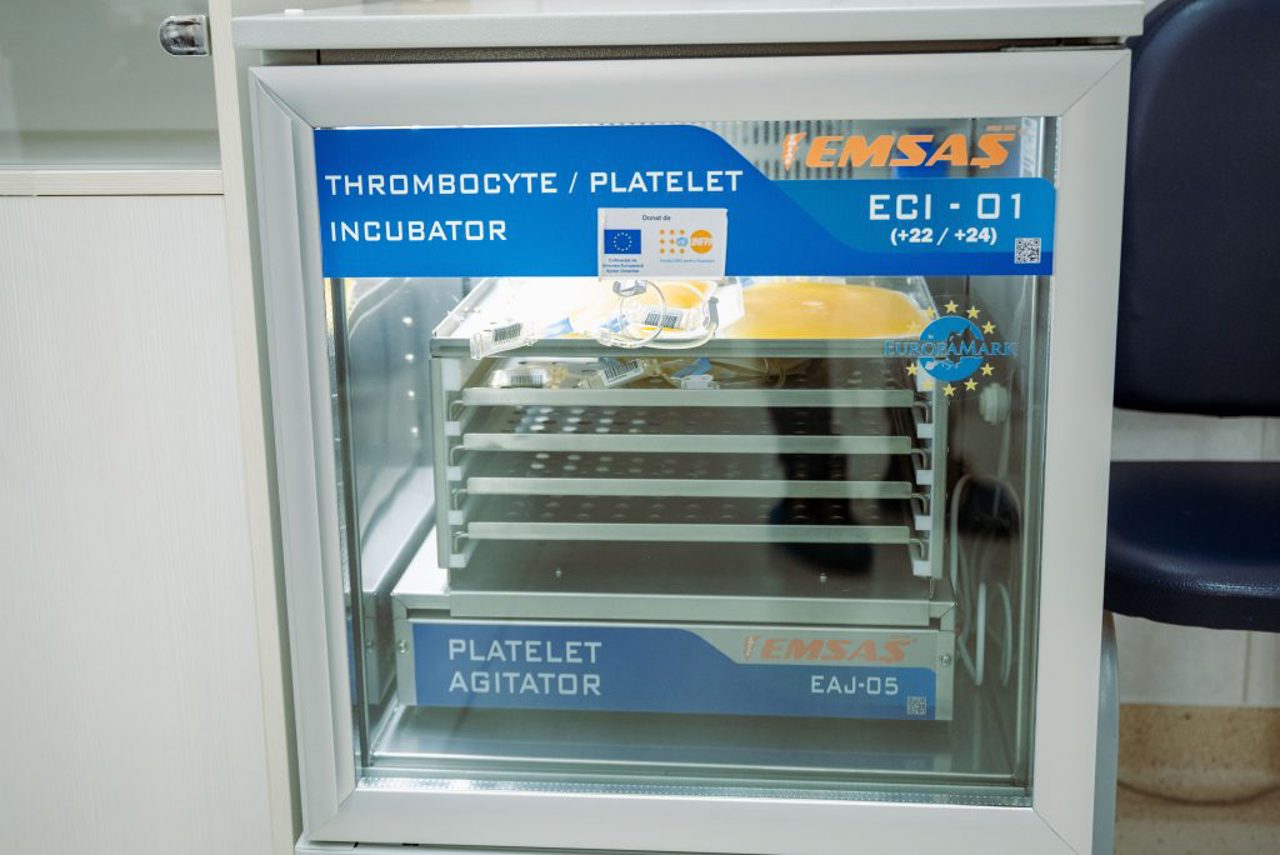
The donation is part of a comprehensive support initiative provided by the United Nations Population Fund (UNFPA) to the national blood transfusion system and medical institutions throughout the country.
These devices are essential for maintaining the cold chain and ensuring the viability of blood components, as stated by Silvia Roșca, the director of the National Blood Transfusion Center.
"With these devices, we have the opportunity to enhance the quality of blood components. Technologies are advancing, and we must continuously improve in these areas each year. These devices are distributed at various stages of blood movement: at the donor service stage, we have chairs and shaking scales; at the processing stage, refrigerators and freezers are utilized to ensure proper storage conditions that preserve the parameters of blood components; at the testing stage, laboratory centrifuges enable us to ensure the safety of transfusions; and, finally, at the hospital stage, blood components must be treated with care," said Silvia Roșca.
According to her, the total value of the donation exceeds 420,000 US dollars.
"First and foremost, we want to thank citizens for remembering to visit blood service units and perform a good deed by donating blood. I urge the entire population of the republic—when you have ten free minutes, please visit blood transfusion units and make this selfless act, so that these products can reach those who are truly in need and facing health challenges," she added.
Elvira State, director of the Ungheni District Hospital, emphasized that her institution, located at the border, frequently handles critical cases, and quick access to blood and blood components can be a matter of life and death.
"We are beneficiaries of several pieces of medical equipment and devices donated by UNFPA, with the support of the Ministry of Health. This equipment is incredibly valuable to us compared to working with manual devices. We are talking about items like shakers and plasma defrosting devices. Time is of the essence. It is crucial for blood components to reach patients promptly. The maternity ward has been fully equipped with everything necessary, including armchairs in the rest area," said Elvira State during the "Zi de Zi" program on Radio Moldova.
At the National Blood Transfusion Center, I met several individuals of different ages who were donating blood, with some doing it for the first time.
"I'm 23 years old, and this is my first time donating blood." - "How did you feel?" - "Nothing special, I didn't have any major emotions." - "What would you say to young people who are still considering it?" - "First of all, you're helping someone, and that's very important." - "Will you do it again?" - "Yes, I will come again."
"I'm an employee of the Ministry of Defense and a volunteer; I've been donating blood since 2004." - "How do you choose the day to donate?" - "Whenever it's needed; we respond to requests from the institution." - "How many times a year do you donate?" - "Two or three times, because my blood can save a life." - "How do you feel after the process?" - "Very good. As long as my health allows, I will continue."
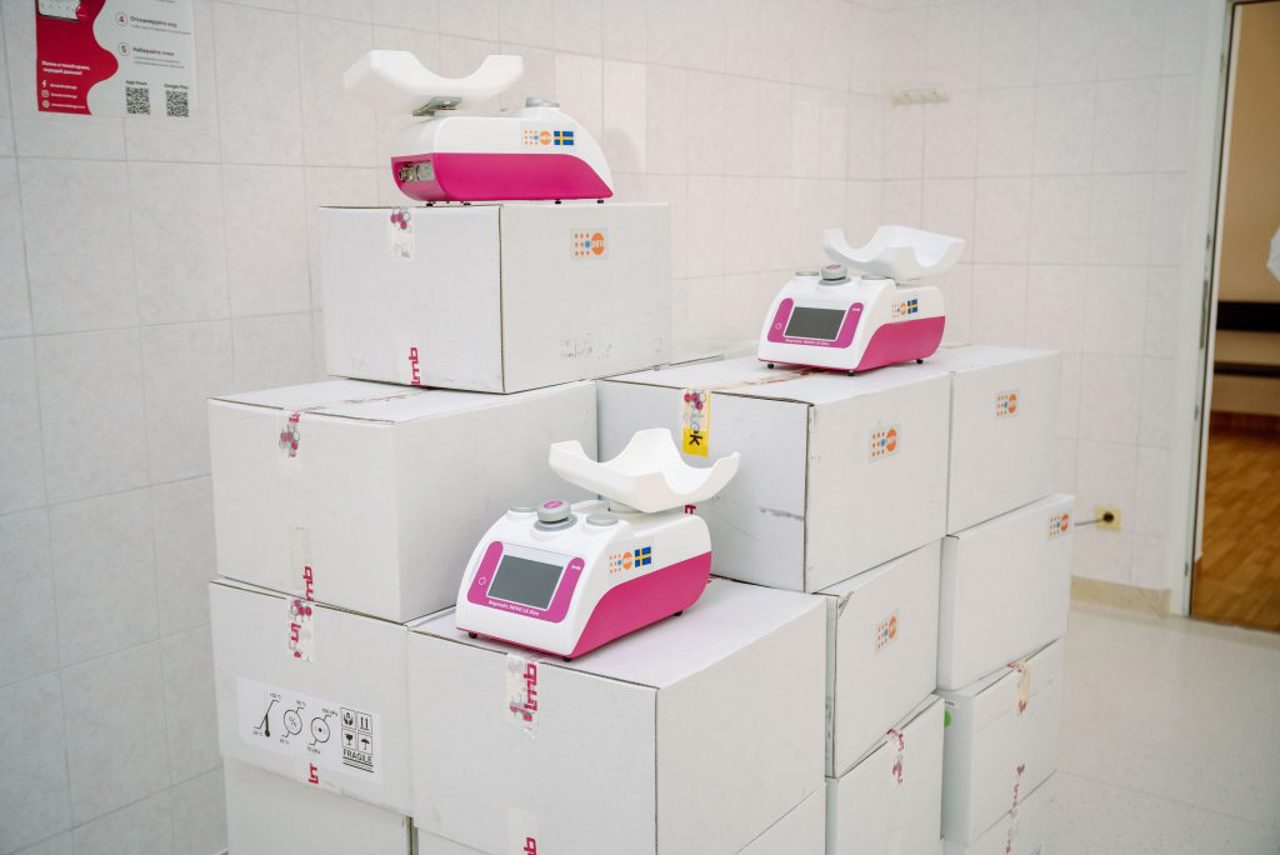
The Ministry of Health has reported that the donation of equipment represents a significant advancement in implementing the National Transfusion Security Program, ensuring the availability of blood products in the country from 2023 to 2027.
From 2023 to 2025, UNFPA investments in crucial interventions to strengthen the resilience of the national blood safety system and achieve self-sufficiency in blood products totalled almost 8.5 million lei. This funding supports all stages of the blood supply chain, from collection to usage.
Official data indicates a notable decline in maternal mortality in the Republic of Moldova, decreasing from 59.2 deaths per 100,000 live births in 2022 to 16.6 in 2023, and further down to 8.5 in 2024. These improvements are partly attributed to investments in essential services, including blood transfusion.
Author: Natalia Mogîldea