Niigata assembly approves TEPCO nuclear restart amid public protests
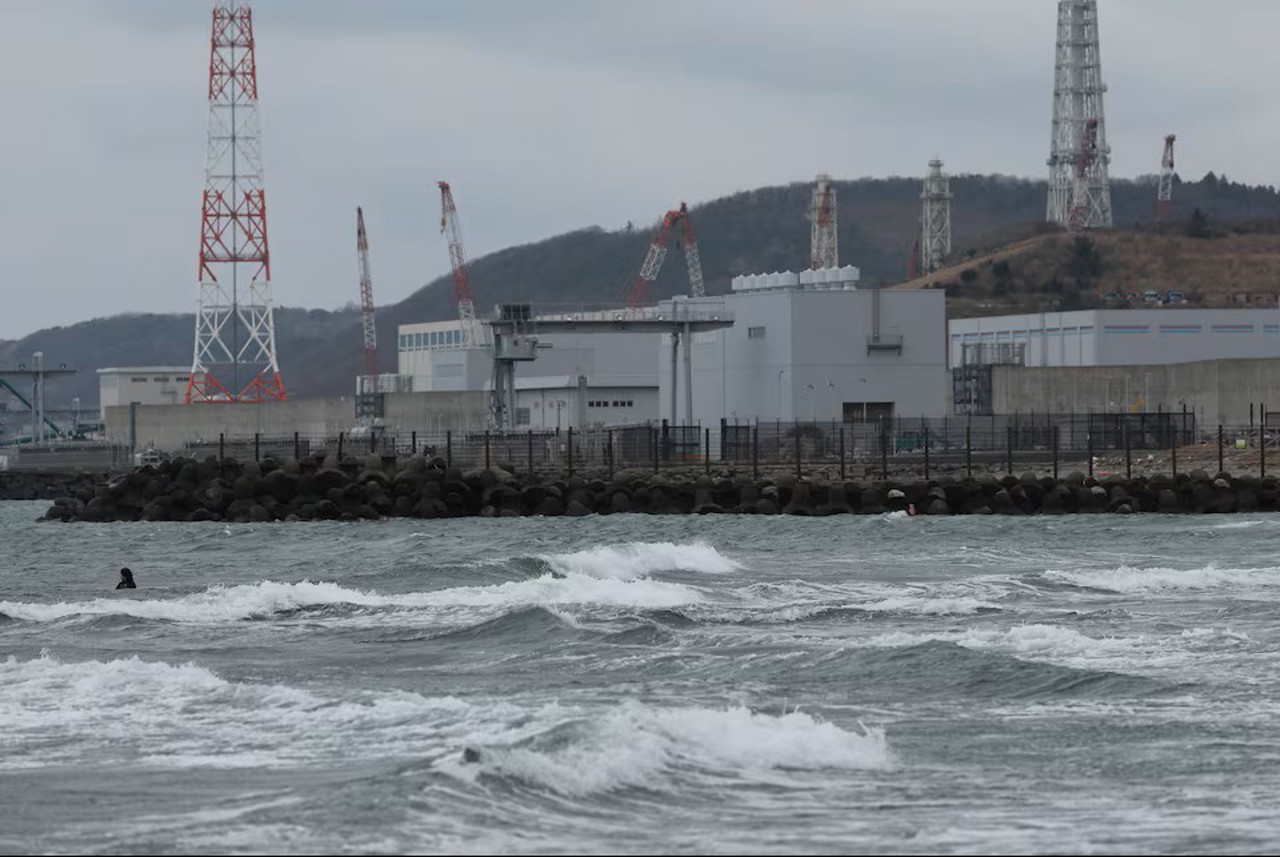
Japan took the final major step on Monday toward resuming operations at the world's largest nuclear power plant. The Niigata Prefectural Assembly voted in favor of the governor’s proposal to support the restart of the Kashiwazaki-Kariwa facility.
This decision marks a pivotal moment in Japan’s return to nuclear energy, nearly 15 years after the Fukushima disaster. The Kashiwazaki-Kariwa plant, located 220 kilometers northwest of Tokyo, was among 54 units shut down following the 2011 earthquake and tsunami.
Political green light amid a divided community
Monday’s vote represents the final regulatory hurdle for Tokyo Electric Power Company (TEPCO). According to public broadcaster NHK, the company is analyzing plans to reactivate the first of seven reactors as early as January 20.
However, the regional assembly's debate highlighted deep public divisions. Outside the building, approximately 300 protesters gathered, chanting slogans such as "No to nuclear power" and "Don't restart Kashiwazaki-Kariwa."
"This is a political decision that ignores the will of Niigata residents," stated a regional deputy who opposed the restart.
The legacy of Fukushima
A survey published in October by prefectural authorities shows that 60% of residents believe the conditions for a safe restart have not been met. Nearly 70% expressed a lack of confidence in TEPCO’s ability to manage the facility safely.
In contrast, the Tokyo government views the plant as essential for national energy security. The Ministry of Economy and Trade estimates that activating just one reactor could increase the power supply to the Tokyo metropolitan area by 2%.
Prime Minister Sanae Takaichi supports the nuclear pivot to reduce Japan’s heavy reliance on imported fossil fuels, which currently account for 60% to 70% of electricity production. Last year, Japan spent over 10 trillion yen on liquefied natural gas and coal imports.
By 2040, Japanese authorities aim for nuclear power to represent 20% of the national energy mix. This target addresses the surging demand for electricity driven by new data centers and artificial intelligence.
Technical background
The Kashiwazaki-Kariwa nuclear power plant, operated by TEPCO in Niigata Prefecture, remains the world’s largest nuclear facility by installed capacity. It features seven reactors with a total output exceeding 8,200 MW.
Translation by Iurie Tataru