RETROSPECTIVE 2025 | Collapse of the Transnistrian economic model and Moldova’s new reintegration strategy
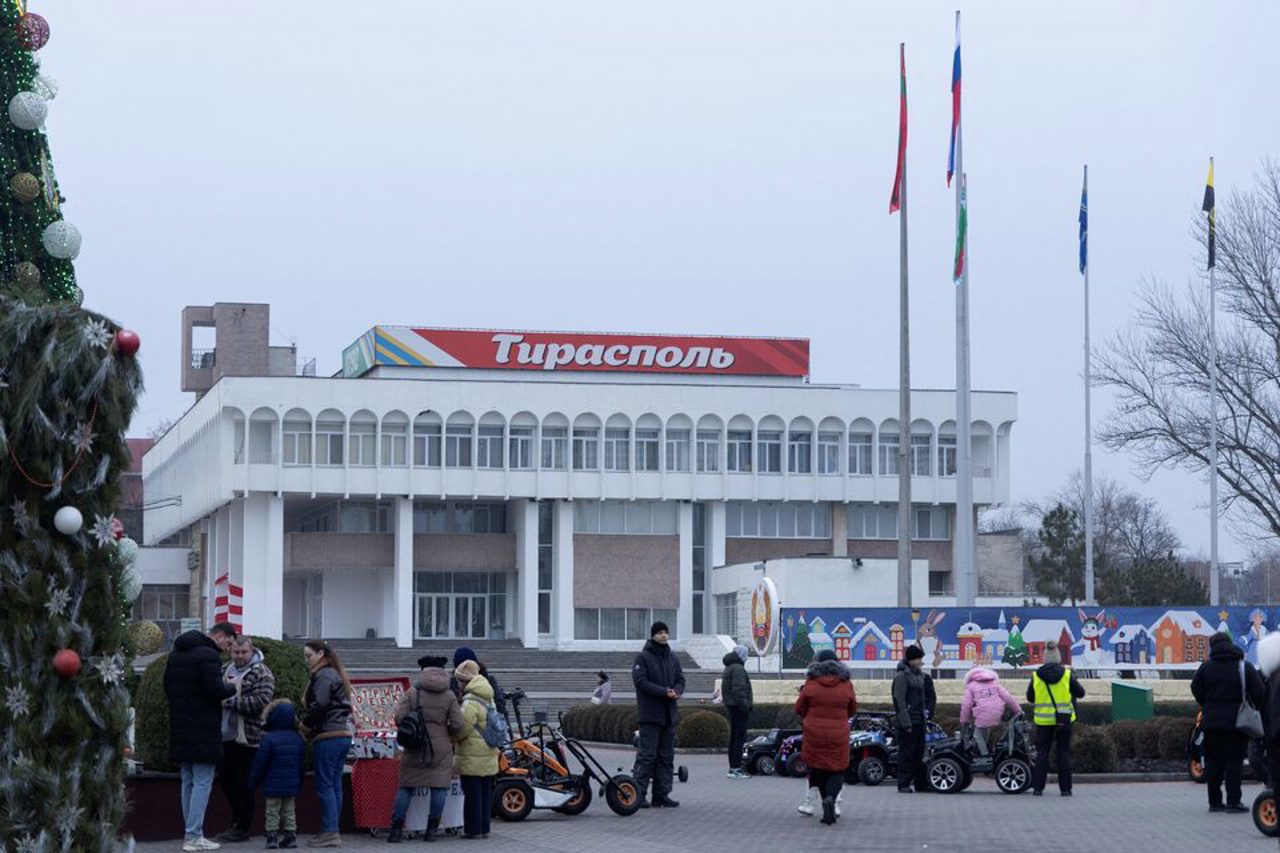
The year 2025 was seen as a turning point for the Transnistrian issue and the longstanding frozen conflict. The unprecedented energy crisis faced by the pro-Russian separatist region appeared to create a window of opportunity for its reintegration into the Republic of Moldova. This was deemed a "historic opportunity" by commentators, but it ultimately proved to be illusory for several reasons, with the primary one being the influence of the Russian Federation.
The separatist administration maintained its loyalty to the Kremlin, requesting assistance from Moscow, which triggered the crisis, while consistently rejecting support from Chisinau and Brussels. Consequently, political dialogue between Chisinau and Tiraspol was nearly nonexistent. In 2025, there were no official meetings of political negotiators in the "1+1" format; the last such meeting occurred on November 19, 2024.
Energy crisis: Beginning of the end of the Transnistrian model
The Transnistrian region entered and concluded 2025 under an emergency economic regime due to the energy crisis initiated by Gazprom's cessation of "free" gas supplies, following the halting of transit through Ukraine at midnight on January 1.
Since 2022, the right bank of the Nistru has stopped relying on Russian gas. After exhausting the inexpensive electricity generated by the Cuciurgan Power Plant, it began sourcing its energy needs from Romania and the stock exchanges, incurring higher costs.
For the left bank, which is entirely dependent on Gazprom, the closing of the gas tap signified the beginning of the end for the Transnistrian economic model—one that had long relied on "free" Russian gas and political subsidies.
The region's revenue from budgetary sources significantly declined after Chisinau halted electricity purchases from Transnistrian region. Financial imbalances worsened rapidly amid a severe drop in industrial production and trade.
Starting in July, salaries in the public sector were paid in two installments. Spending in several areas was drastically reduced, including road, environmental, and capital investment funds. Planned social and infrastructure projects were postponed indefinitely.
The Tiraspol administration has acknowledged that the economy is on the verge of collapse, with limited revenues, dwindling financial resources, and impossible budget execution.
Industrial production volume decreased by nearly 30% compared to the previous year, with the largest declines in the energy sector, the chemical industry, machine building, metalworking, and light industry. Exports fell by 41.7%, and imports dropped by 19.2%, resulting in a 2.1-fold increase in the foreign trade deficit.
In an interview with the Russian state agency Ria Novosti on December 20, the alleged Tiraspol leader, Vadim Krasnoselski, stated that social obligations and essential programs were still being fulfilled despite the challenges.
"The situation is very complex. The energy crisis and its consequences have had an extremely negative impact on all sectors of the Transnistrian economy. Also, Moldova continues to treat economic entities from Transnistrian region in a discriminatory manner," Krasnoselski added.
The crisis at the beginning of the year demonstrated that "the economic model based on free energy resources is not sustainable," declared Deputy Prime Minister for Reintegration Valeriu Chiveri on December 17.
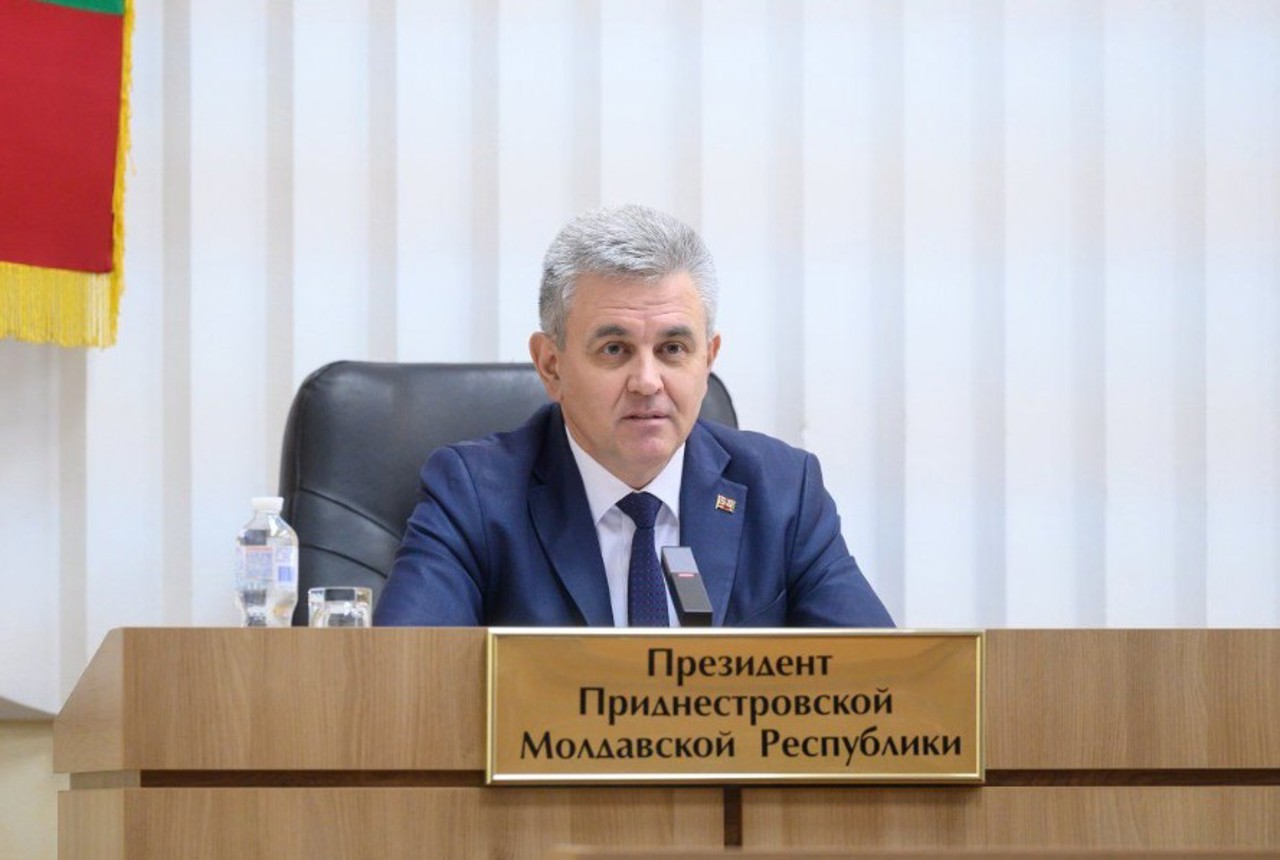
New emergency regime and ongoing crisis episodes
On December 18, 2025, the self-proclaimed administration introduced a new emergency regime in the economy for 30 days to address "difficulties related to natural gas deliveries," allegedly caused by a "reduction in the pace of settlement operations within the European Union."
According to the authorities in Chisinau, the evolution of the crisis is linked to a recent change in the payment agent through which Russia pays for gas, utilizing an opaque mechanism. The problem is described as not being "political" but rather a "technical" one, attributed to the "gas payment scheme suggested by Moscow," which is deemed "unsustainable" because the payment agent can be altered at any time, depending on the sanctions regime imposed on Russia due to the ongoing war in Ukraine. Deputy Prime Minister Valeriu Chiveri explained this situation on December 17, warning that crises could reoccur every two weeks.
The state of emergency had immediate effects. Reports from the regional press indicated that employees of three major enterprises—the Râbnița Cement Plant, the Tirotex textile plant, and the Metallurgical Plant—were placed on temporary layoff. The self-proclaimed authorities in Tiraspol asserted that these restrictions would only affect industrial and commercial enterprises, not citizens.
Similar assurances had been made previously, but they proved to be unfounded. In June, gas supplies were suddenly curtailed due to late payments. Without warning, methane sales at gas stations were halted for two weeks, followed shortly by the suspension of hot water supply.
A similar situation occurred in October, when an economic regime was implemented in the industrial and commercial sectors, leading to scheduled power outages, the cessation of hot water supply, the closure of gas stations, and reduced pressure in apartment buildings. In schools, lesson duration was cut from 45 minutes to 30 minutes.
A more severe episode unfolded in November when gas deliveries were halved and a new economic regime was introduced. The Cuciurgan power plant transitioned part of its production to coal to compensate for the gas shortage, resulting in the partial or total suspension of operations at several major factories and enterprises, including the Râbnița Metallurgical Plant.
Meanwhile, increased tariffs for heating and hot water, paid by consumers, began to take effect. Residents on the left bank of the Nistru began expressing their dissatisfaction more actively on social media.

Opaque Gas Purchase Scheme and Rejection of European Aid
On February 14, 2025, the alleged Transnistrian administration began receiving gas through a non-transparent mechanism involving Russia, a Dubai firm, and a Hungarian company. This scheme was reluctantly accepted by the constitutional authorities to prevent an escalation of the humanitarian crisis, which had been foreshadowed in January. At that time, homes and public institutions were left without gas, heating, hot water, and electricity for up to eight hours a day in the winter, leading to mass unemployment as many industrial enterprises—also the region's largest taxpayers—halted operations.
President Maia Sandu stated on January 14, 2025, following a meeting of the Supreme Security Council, "The purpose of this humanitarian crisis caused by the Kremlin on the left bank is to provoke a political crisis on the right bank and escalate the situation."
The social and economic situation in the pro-Russian region deteriorated rapidly throughout January. Gazprom refused to deliver gas via alternative routes, insisting on the payment of a historic debt of $700 million, which Chisinau does not recognize. Russia, meanwhile, offered "humanitarian gas" and blamed Chisinau and Kiev for the energy crisis. Tiraspol rejected all of Chisinau’s proposals, including offers to broker gas purchases on stock exchanges and provide humanitarian aid.
On February 1, after some hesitation, the alleged Tiraspol administration agreed to accept gas offered as a loan by Chisinau. This gas was purchased from an emergency assistance package worth 30 million euros announced by the European Union on January 27. Of this amount, 10 million euros were designated for purchasing electricity for the right bank, while 20 million euros were allocated for the purchase and transport of natural gas to the Transnistrian region until February 10.
However, Tiraspol ultimately chose to pursue the obscure scheme of purchasing gas through intermediaries, accepting an alleged Russian loan. This decision came despite a new joint offer from Chisinau and the European Union to purchase and deliver gas transparently, contingent upon a new European grant of 60 million euros.
This new aid package was part of a broader initiative aimed at enhancing the Republic of Moldova's energy independence and resilience, with a total of 250 million euros allocated. Of that amount, 100 million euros were earmarked to compensate for increased electricity bills on the right bank of the Nistru.
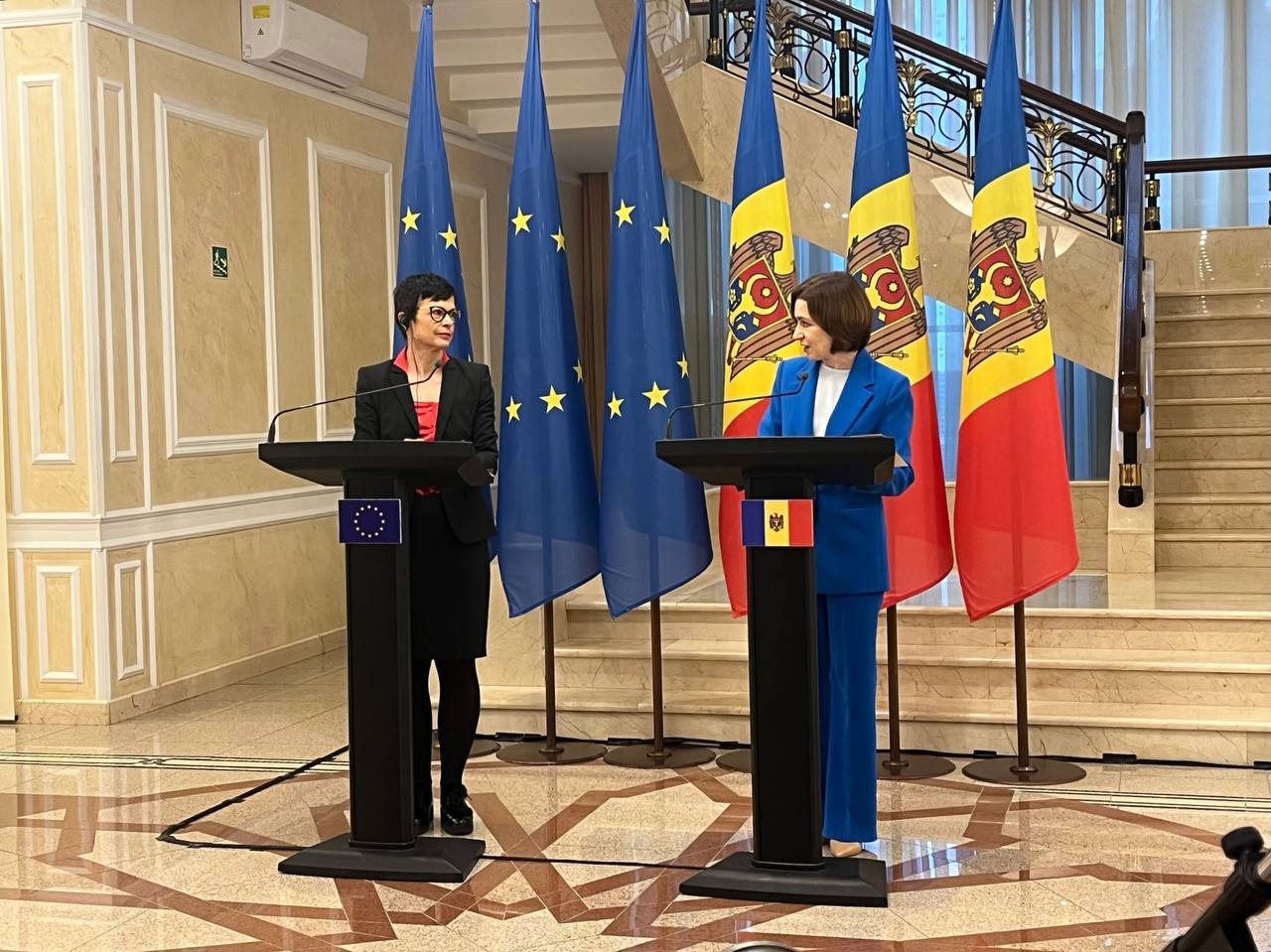
Tiraspol declined European support because it was contingent upon meeting certain conditions. These included adjusting gas tariffs to market rates and implementing measures to uphold human rights and fundamental freedoms in the region.
Vadim Krasnoselski, the leader of the self-proclaimed administration in Tiraspol, justified the refusal on November 19 by stating that accepting this support would mean "compromising the activity of the Transnistrian industry and consequently leading to the reduction of tens of thousands of jobs."
However, what Krasnoselski did not mention is that the industry was already compromised. The opaque scheme he chose proved unstable, leading to changes in intermediaries (paying agents), delayed payments, and frequent interruptions due to international sanctions imposed on Moscow following the war in Ukraine.
Moreover, Chisinau accepted the support with the stipulation that gas deliveries be limited to a maximum of 3 million cubic meters. This amount is sufficient for the current needs of the region, including generating the necessary electricity, but inadequate for revitalizing the industry.
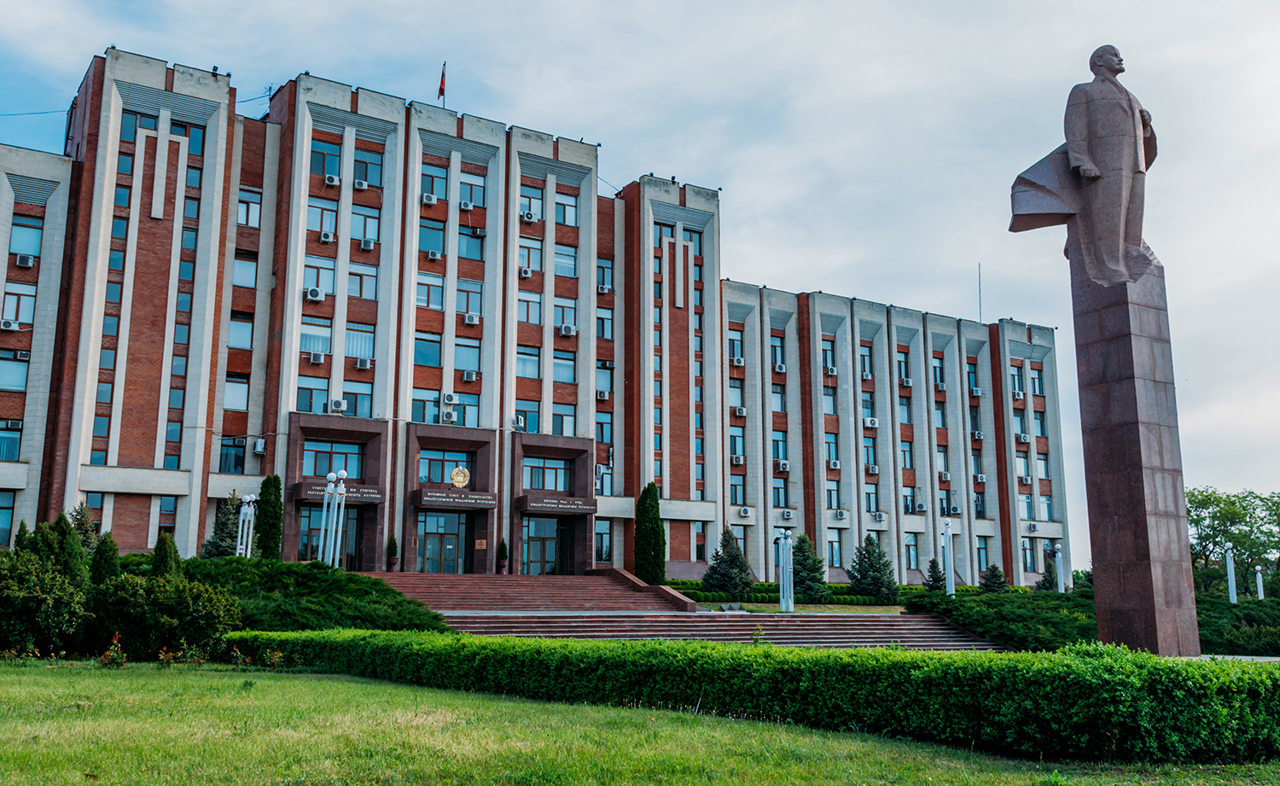
New strategy for the reintegration of the Republic of Moldova
Experts acknowledge that Russia and its separatist regime in Tiraspol may artificially exacerbate the energy crisis as discussions intensify regarding a new strategy for the reintegration of the Republic of Moldova, which has been prepared by Chisinau.
On November 18, during his first visit to Brussels, Prime Minister Alexandru Munteanu stated, "We are currently discussing a plan for the reintegration of the Transnistrian region with our European and American partners. For now, I cannot provide details." Munteanu emphasized that the plan includes the withdrawal of Russian troops that are illegally stationed on the left bank of the Nistru.
Deputy Prime Minister for Reintegration Valeriu Chiveri refrained from disclosing specific details about the reintegration plan, explaining that some "sensitive aspects" require discretion. On December 3, he remarked, “We cannot, most of the time, discuss the actions we are taking in real time, as this could jeopardize the final outcome." He assured that “at the right time, the results of these activities will be made public."
Upon his appointment as Deputy Prime Minister for Reintegration, Chiveri expressed support for the gradual reintegration of the Transnistrian region into the Republic of Moldova's legal, economic, financial, customs, health, educational, and informational systems. He emphasized the significant—if not crucial—role of the European Union in establishing an international civilian mission to replace the current negotiation format.
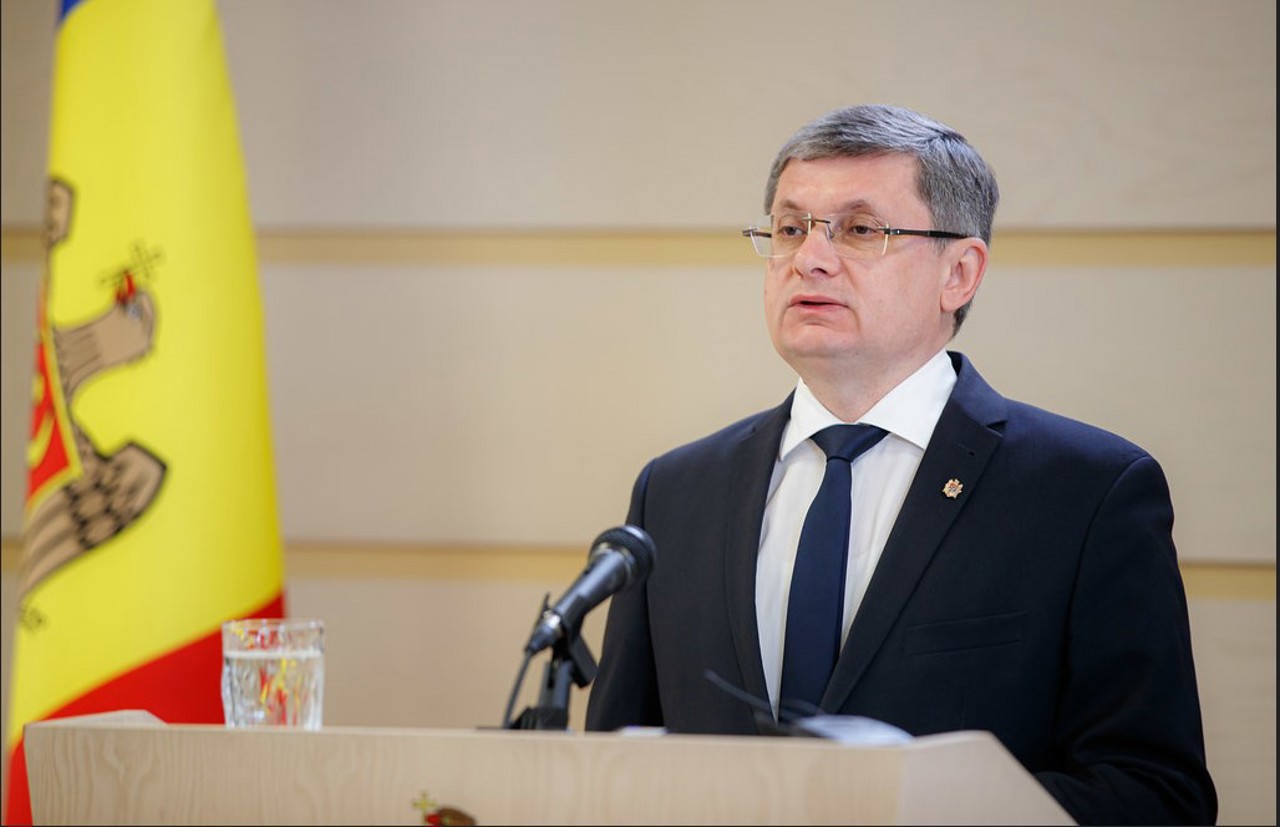
Discussions regarding the need for a comprehensive reintegration plan resurfaced following the onset of the energy crisis. However, implementing this plan remains challenging due to the strict conditions it entails and the need for substantial financial resources—approximately half a billion euros annually —a sum the country cannot currently provide, as noted by Parliament Speaker Igor Grosu on January 27. One of the prerequisites for the plan is to replace the current peacekeeping mission on the left bank of the Nistru with a civilian mission under the auspices of the United Nations or the European Union.
When asked whether this plan will be implemented before the Republic of Moldova joins the European Union, Grosu stated that EU accession and reintegration are two processes that should be considered separately.
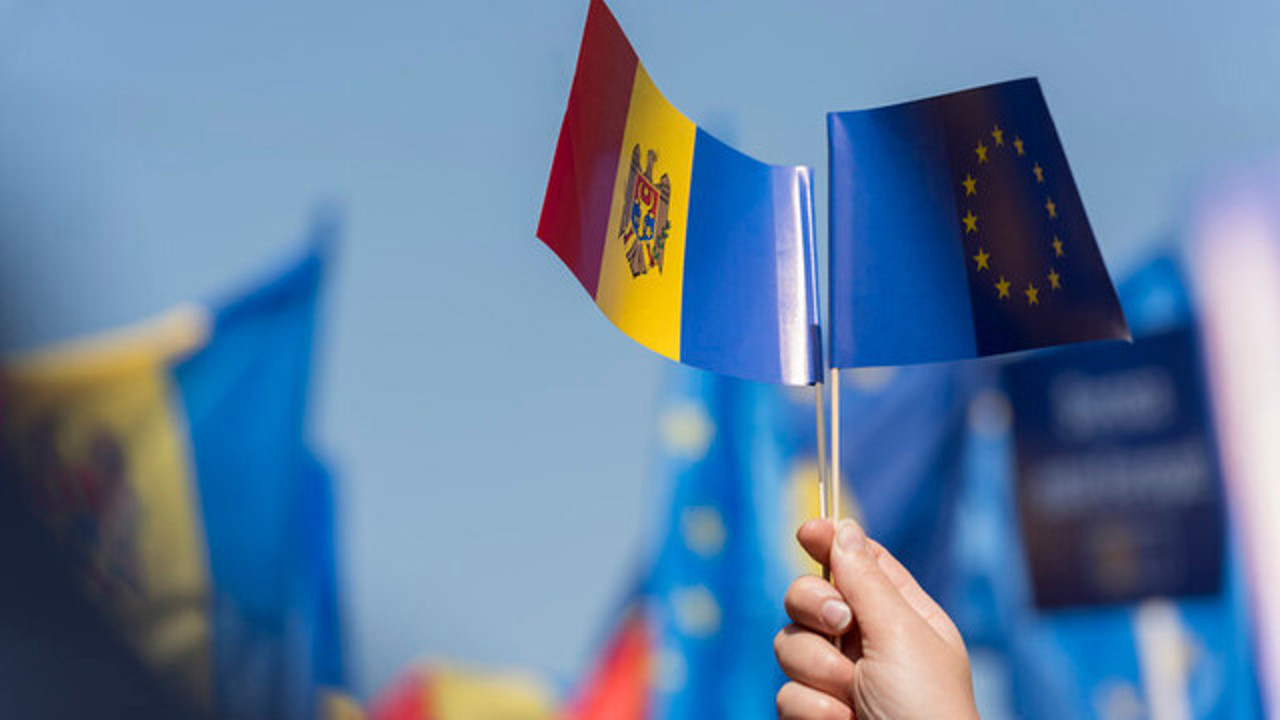
Reintegration of the country and European integration
The authorities in Chișinău do not seem to have a unified vision regarding how the processes of reintegrating the country and its accession to the European Union are related.
On October 23, 2025, the President of the Parliament, Igor Grosu, reiterated a phased plan for integration into the EU. He stated, “Integration will occur in two steps. First, we will focus on the right bank. When the conditions are favorable for the left bank—through demilitarization, democratization, and other measures—we will gradually integrate this territory into the European Union. The withdrawal of troops and ammunition requires both involvement and a positive geopolitical context. We must be prepared.”
The Deputy Prime Minister for Reintegration, Valeriu Chiveri, mentioned on December 11 that efforts to resolve the Transnistrian issue will be “decoupled” from EU integration to ensure a “systemic, responsible, and calm approach to reintegration.” He added that the process of reintegrating the two banks of the Nistru “will require more time than initially expected.” However, he assured that everything possible would be done to make this process “dynamic and productive” within the framework of “complex reintegration policies and the national objective of EU accession.”
The day after the Deputy Prime Minister's statements, Marcel Spatari, the Chairman of the Parliamentary Committee for European Integration, emphasized that reintegration and European integration are two “interdependent” processes that cannot be “completely isolated from each other.”
President Maia Sandu was the first to propose Moldova's integration in “two steps”—first addressing the right bank, then the left bank. She argued that Moldova should not become a member state until the Transnistrian conflict is resolved, as that would effectively give the Kremlin a veto over the country's integration process.
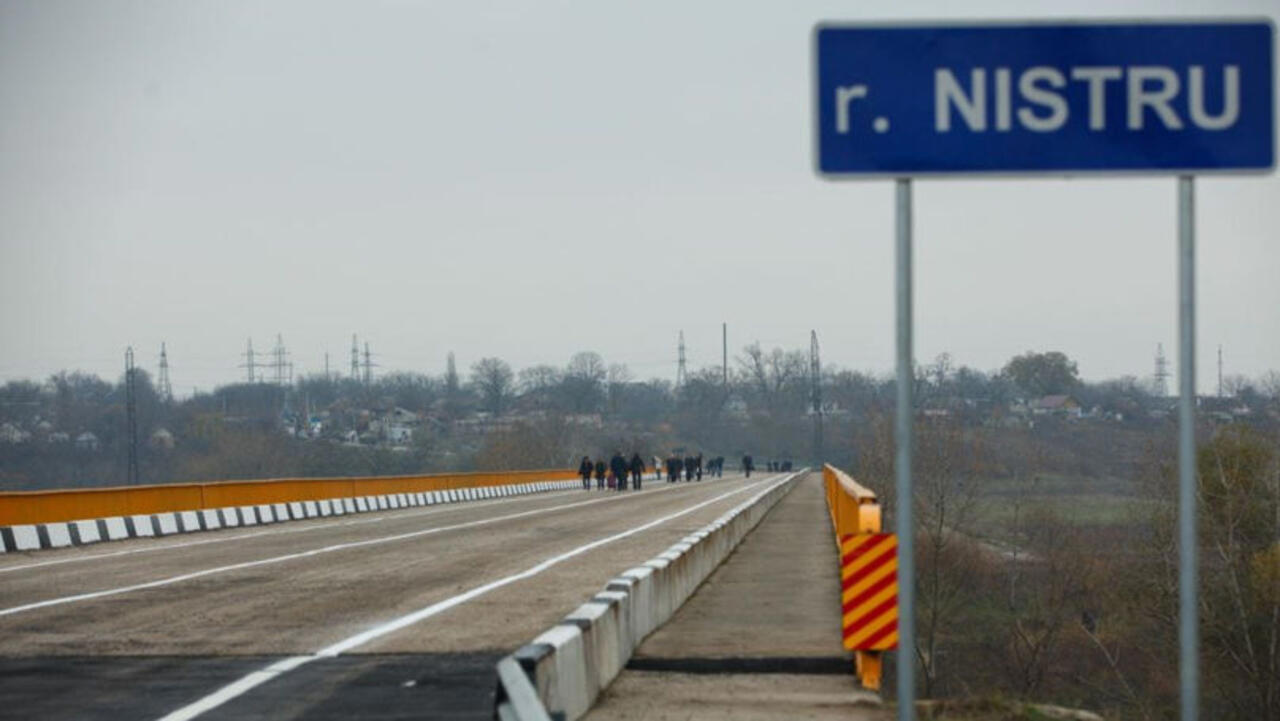
Strengthened role of the EU in the Transnistrian dimension
The energy crisis caused by Russia has highlighted the vulnerabilities of the separatist model and the dangers of total dependence on the Kremlin. Meanwhile, the economic ties of the Transnistrian region with the European Union, where it exports over 70 percent of its goods, suggest a natural direction for its evolution.
The year 2025 appears to mark a new phase in the resolution of the frozen conflict, particularly because, since 2022, Chisinau has gained economic leverage over the separatist regime that it has lacked for the past three decades.
The Munteanu Government has committed to ensuring a coherent reintegration policy that promotes gradual convergence in the legal, economic, customs, fiscal, social, informational, and political spheres of the Republic of Moldova.
The government aims to strengthen and enhance the role of the European Union in the Transnistrian dimension to promote the consistent and comprehensive application of harmonized national legislation across the entire territory of the Republic of Moldova.