Education gets a major boost: Six billion lei for schools, textbooks, and teacher salaries

The Republic of Moldova is undergoing a significant transformation of its educational system, marked by unprecedented investments and reforms, even in sensitive areas. The Minister of Education and Research, Dan Perciun, announced that in the coming years, the state plans to invest approximately six billion lei to modernize kindergartens, schools, and universities.
Over the past four years, approximately 1.8 billion lei has been invested. During this term, the goal is to invest 6 billion lei, nearly three times the previous amount, the minister stated in an interview with Moldpres.
He noted that a significant portion of the funding has already been secured from European funds, as well as projects from the World Bank and the European Investment Bank.
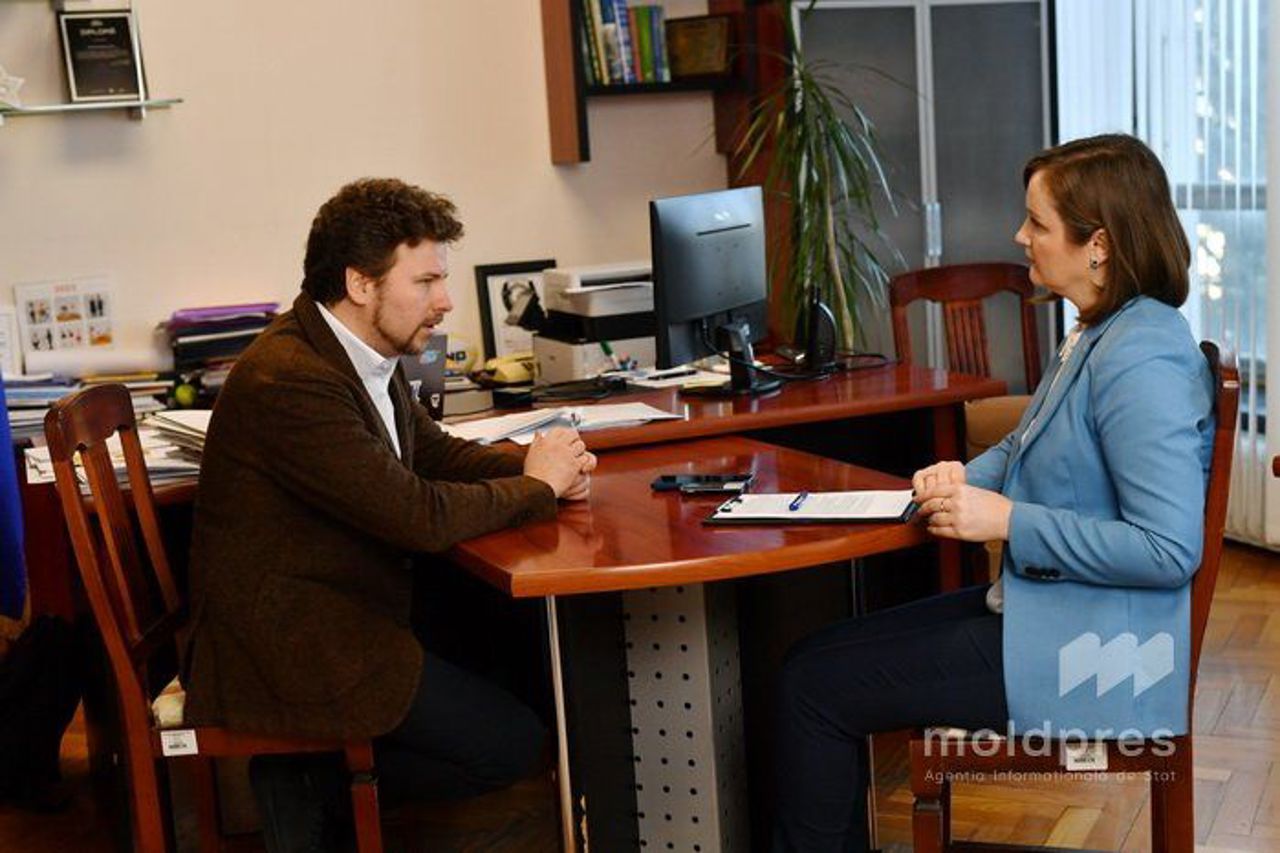
The investments will be allocated to several key areas: equipping model schools, modernizing student dormitories, enhancing the energy efficiency of educational institutions, and supporting vocational schools and colleges.
"The availability of resources is there. The main challenge will be our capacity to absorb these funds, as we currently lack enough infrastructure specialists. However, I am confident that we will be able to effectively utilize this money, resulting in significant improvements in the system," the minister emphasized.
Another pressing issue is teachers' salaries, which contribute to dissatisfaction within the education system. Dan Perciun stated that salary increases are "a vital necessity," but he explained that they have been postponed until September 2026.
"Our goal is for the average salary in education to match the average salary in the economy. It was decided that the increases will coincide with the new salary law to ensure a sustainable approach," the minister noted, adding that, in the short term, resources are being directed towards stimulating the economy.
The reform goes beyond just improving school buildings; it also focuses on enhancing the content of education. By 2027, the school curriculum will undergo a complete overhaul, incorporating more lessons on financial literacy, media, health, and the environment.
“We are not introducing new subjects; instead, we are integrating these essential skills into core subjects to make them more relevant to real life,” explained Perciun.
These changes will be particularly noticeable with the introduction of new textbooks, which will be evaluated primarily based on quality.
“Our goal is to achieve a ratio of 90% quality to 10% price. We will provide colorful textbooks for all subjects and work with a new generation of trained authors. For specific subjects like mathematics, we will adapt textbooks from Estonia,” the minister stated.
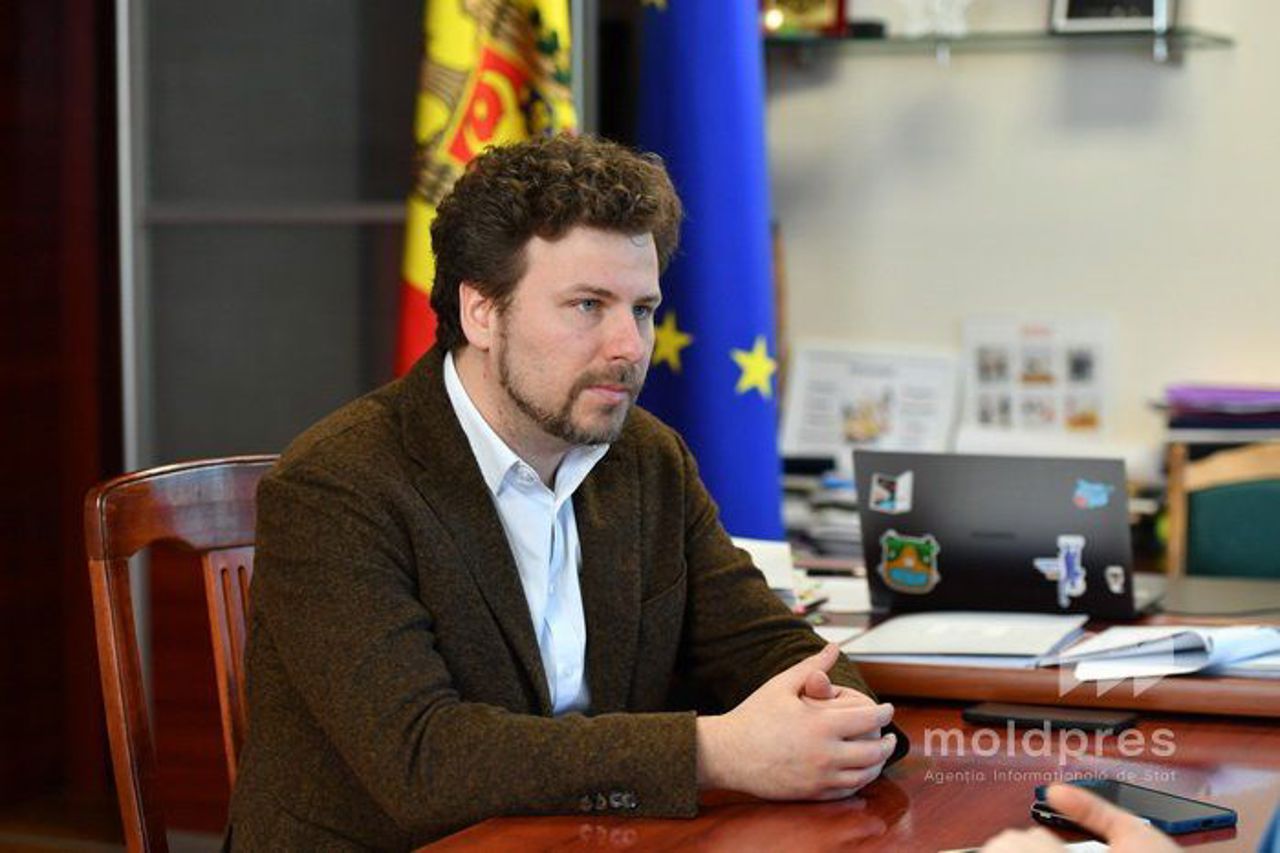
A separate chapter focuses on the reorganization of small schools in light of demographic decline. The ministry insists that it is not aiming for savings, but rather for improved quality.
"The interest of the child must come first. We cannot sacrifice generations just to maintain dysfunctional structures," declared Dan Perciun.
According to the minister, less than 0.5% of students will be affected by the reorganization. Children transferred to other schools will receive financial support, and teachers will benefit from compensation.
In the context of pursuing European integration, the minister stated that the Republic of Moldova is close to meeting EU standards in legislation. However, the real challenge remains improving the quality of education.
"It is concerning that half of 15-year-olds lack basic skills. We must strive to reach the level of students in the European Union," said Perciun, referencing the results of the PISA tests.
Dan Perciun emphasized that education reform can no longer be approached in a piecemeal manner.
"Yes, the physical environment is important, but what occurs in the classroom is equally crucial. We cannot afford to lose any young people," he concluded.