The Zepbound breakthrough: How John Cole traded medication and sanctions for Nobel laureate’s freedom
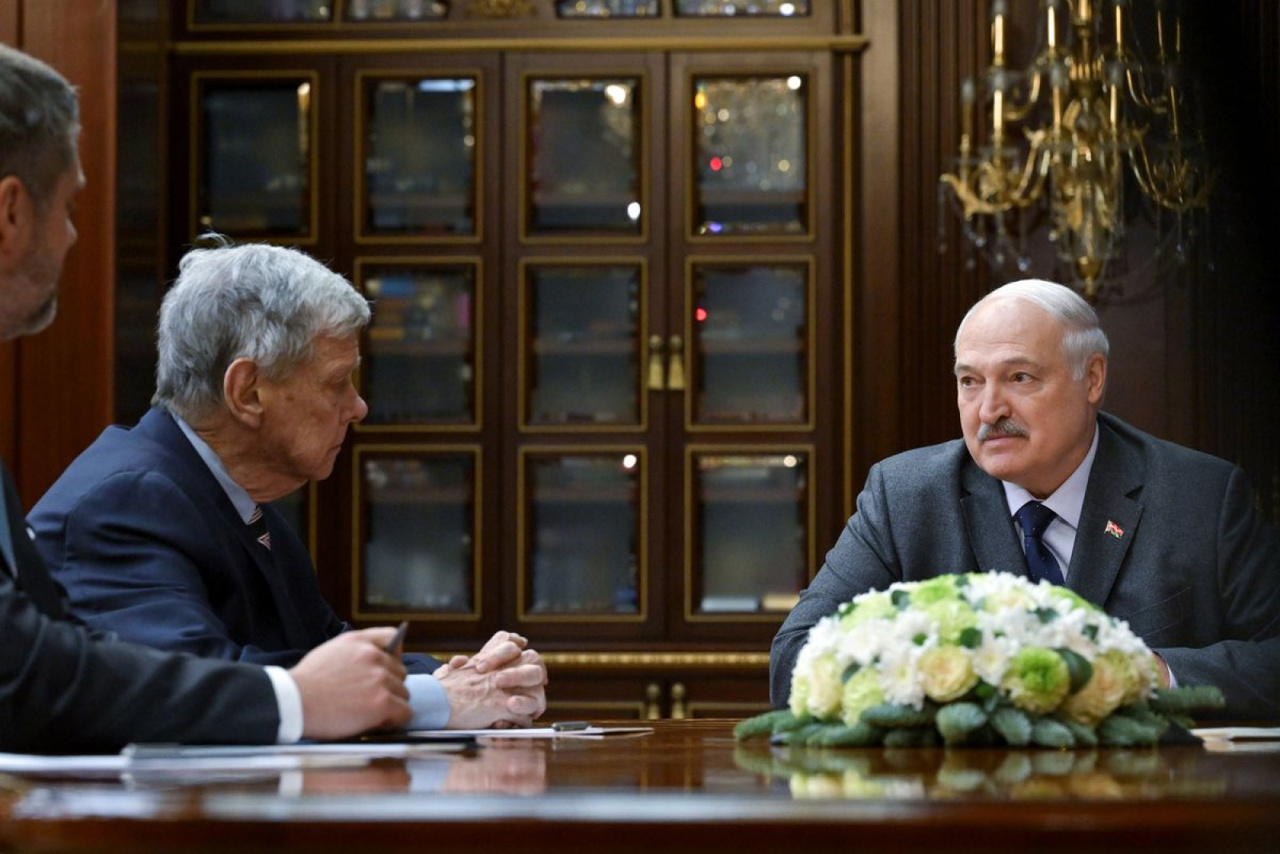
In a striking display of unconventional diplomacy, Donald Trump’s special envoy, John Cole, reportedly secured the release of hundreds of Belarusian political prisoners by bonding with dictator Alexander Lukashenko over weight-loss medication.
According to reports from The Wall Street Journal and DW, the breakthrough began during Cole's December visit to Minsk. Lukashenko noticed the envoy’s physical transformation and inquired about his weight loss. Cole attributed his success to the American drug Zepbound, promising to send the injections to the Belarusian leader.
The price of the "Cool Kids" table
The exchange served as an entry point into high-stakes negotiations. Cole reportedly used a school cafeteria analogy, telling Lukashenko that Belarus currently sits at the "losers' table" with Iran, Venezuela, and North Korea, but could move to the "cool kids' table" with U.S. assistance.
Lukashenko, seeking relief from crippling economic sanctions, treated his vast population of political prisoners as his primary negotiating leverage. This engagement is viewed by analysts as a "test case" for the Trump administration’s broader goal of ending the isolation of the Russian economy and Vladimir Putin.
A breakthrough for human rights
The informal dialogue yielded significant humanitarian results. Following Cole’s repeated visits in June and September, an initial 66 individuals were freed from Belarusian custody.
By December 13, the United States announced the lifting of sanctions on Belarusian potash. In exchange, the regime released Nobel Peace Prize laureate Ales Bialiatski, along with opposition figures Viktor Babariko, Maria Kolesnikova, and 120 other political detainees.
Translation by Iurie Tataru