Chisinau moves away from chlorine treatment amid €45 million infrastructure overhaul
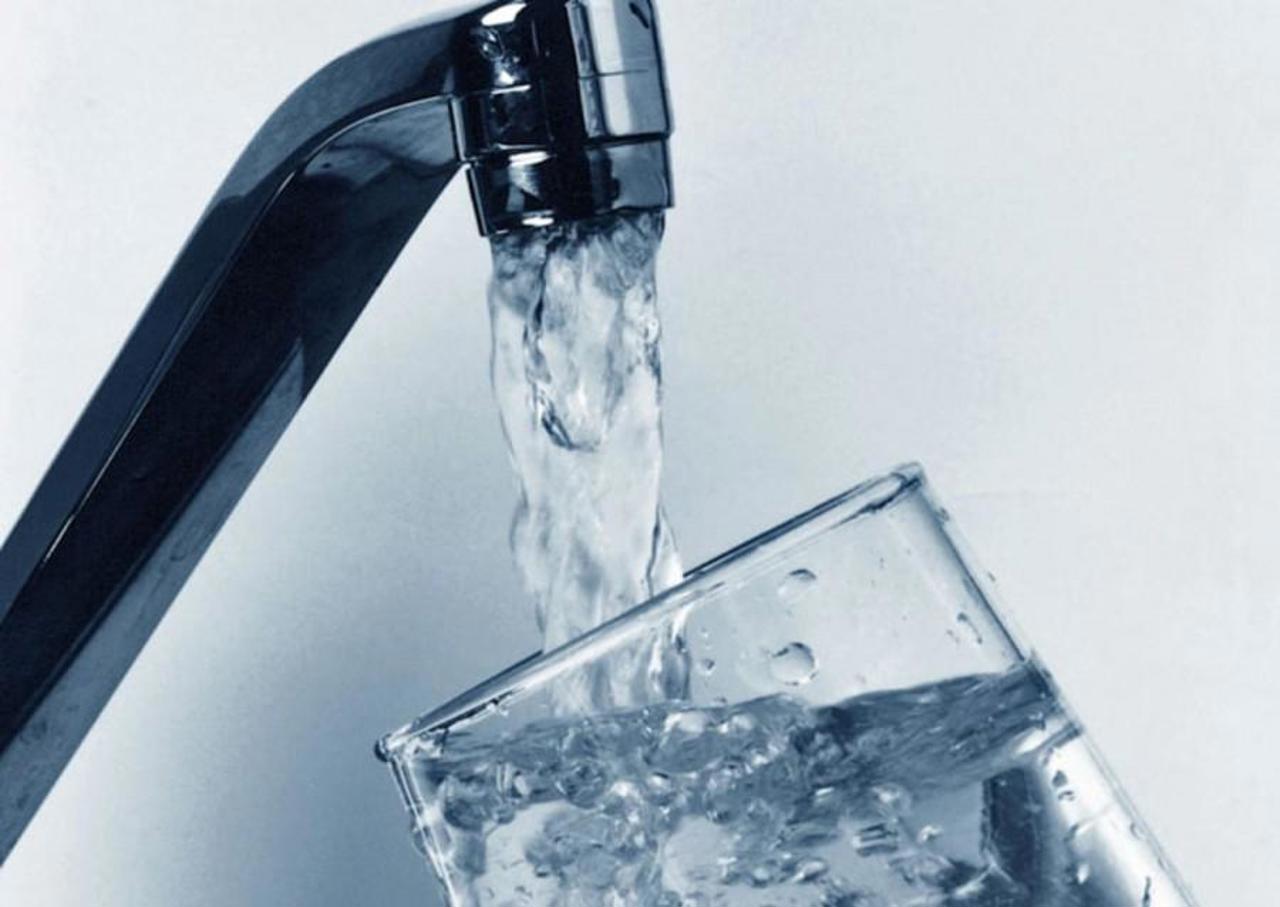
Tap water in Chisinau is safe for consumption and poses no health risks, according to Diana Tacu, the Interim General Director of Apă-Canal Chișinău (ACC).
Presenting a report to the Chisinau Municipal Council on December 26, Tacu emphasized that any impurities found at the tap are usually caused by aging internal plumbing within apartment blocks rather than the municipal supply.
Water quality and modernization
ACC is currently the only enterprise in Moldova that both produces and distributes water. The company has officially ceased using chlorine for water treatment, a change that residents can already notice in the taste.
To maintain this quality, Tacu stressed the need for the timely cleaning and replacement of internal building networks. This remains a challenge for municipal housing managers currently facing insolvency.
Shift in residential responsibility
The management highlighted a growing need for residents to form homeowner associations. Tacu clarified that maintenance of internal building pipes is the responsibility of the residents, not the Municipality.
Regarding billing, the director advocated for contracts between the operator and homeowner associations rather than individual apartments. This approach allows for more efficient meter monitoring and debt management.
Major infrastructure milestones
In June 2025, ACC officially launched the construction of the Chisinau–Strășeni–Călărași main pipeline. This landmark project is funded by a €40 million (approx. 780 million MDL) grant from the German Government.
The Republic of Moldova contributed an additional €5 million (approx. 97.5 million MDL) through the National Fund for Regional Development.
The 53-kilometer pipeline will initially connect 30,000 residents in the Strășeni and Călărași districts to a centralized water supply. Eventually, the project will serve approximately 170,000 people.
Future outlook for 2026
In 2025, the company achieved significant modernizations and increased the average salary to approx. €933 (18,157 MDL).
Looking ahead to 2026, ACC plans to implement cogeneration systems, smart metering, and remote reading infrastructure. Efforts will also focus on restoring water reservoirs to ensure reserves during periods when the Dniester River levels are low.
Translation by Iurie Tataru