Moldova targets debt sustainability with strategic 2028 fiscal roadmap
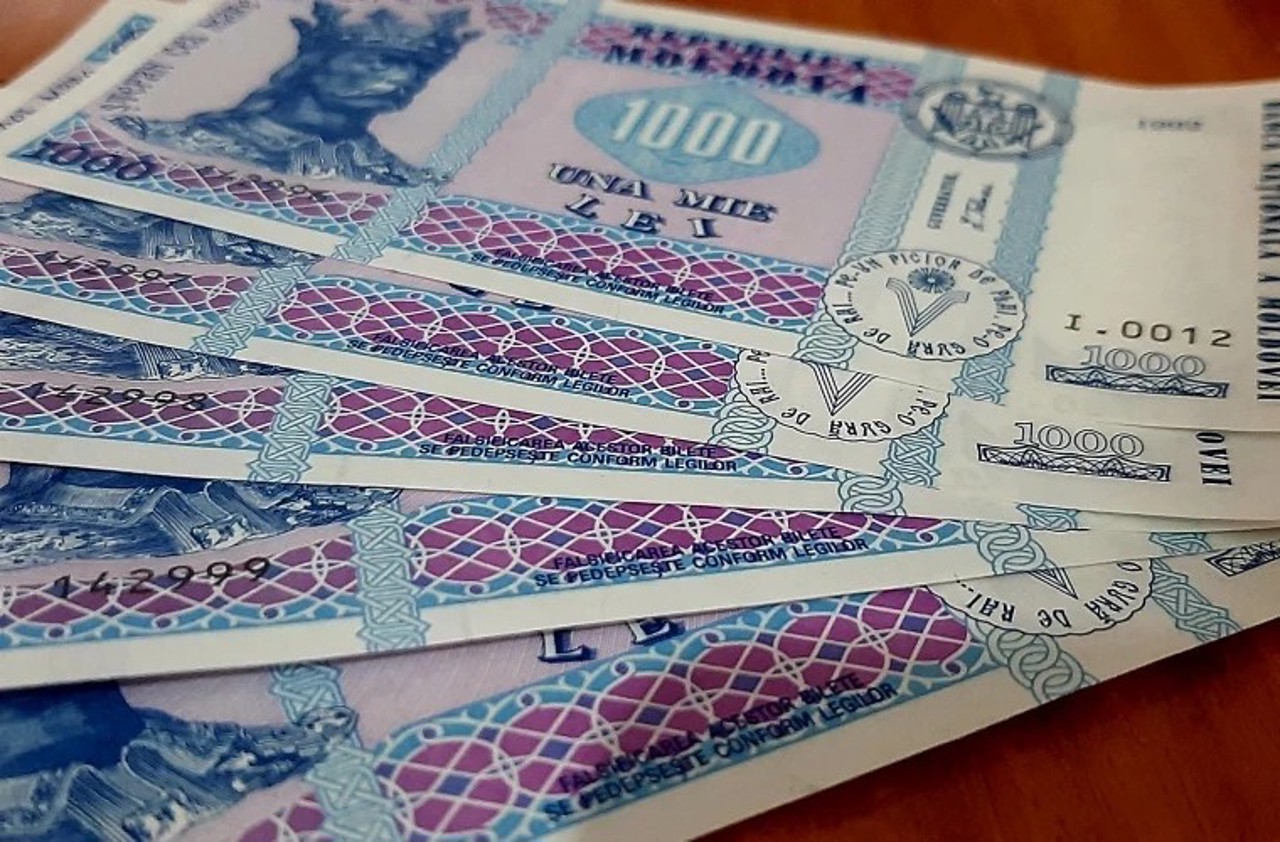
Moldova’s public debt reached €6.19 billion (approx. 121.4 billion MDL) by the end of 2024, marking a 16.7% increase compared to the previous year. To address the rising burden, the Government approved a medium-term state debt management program for 2026–2028 during its December 29 session.
Strategic goals and fiscal targets
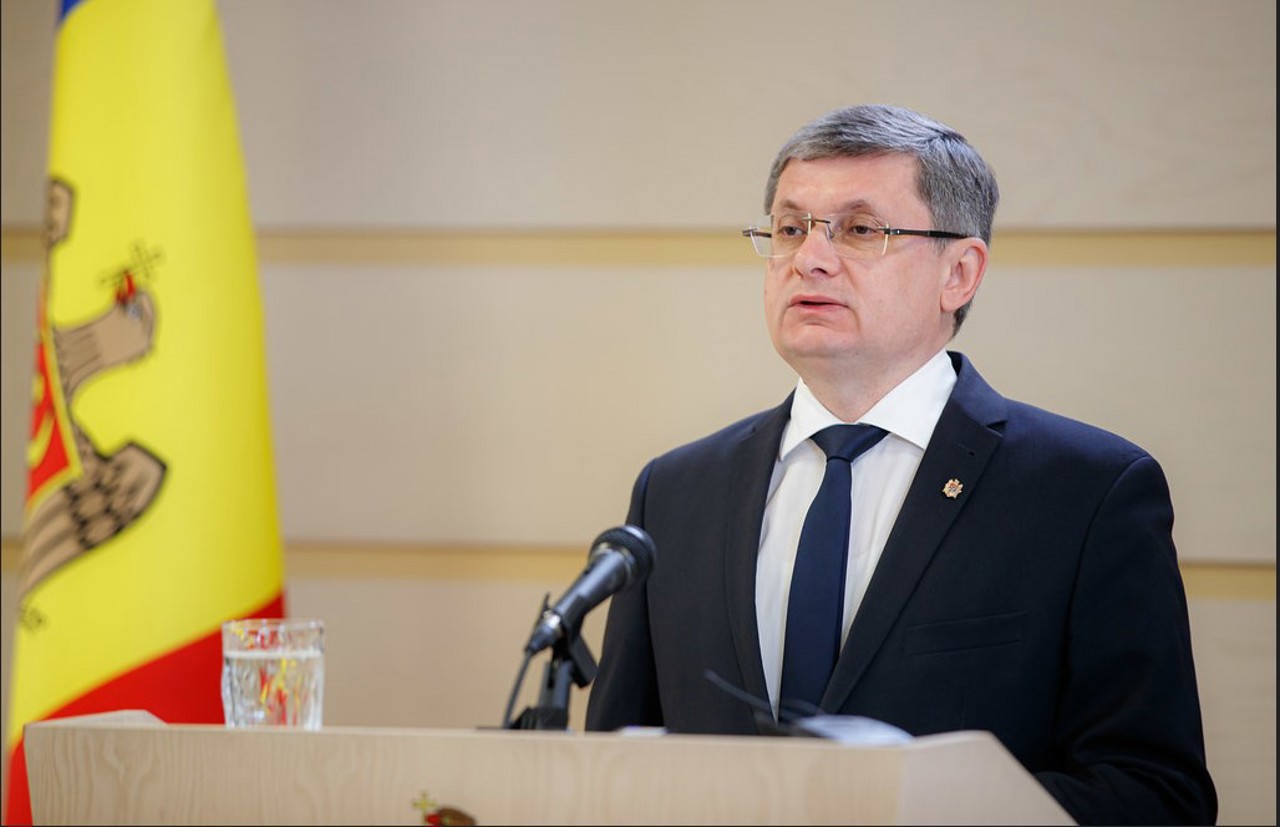
The newly adopted strategy defines how the national budget deficit will be financed while maintaining public debt at sustainable levels. According to Finance Minister Andrian Gavriliță, the plan identifies primary risks and sets specific target ranges for the state’s financial portfolio.
"The project establishes the financing methods for the budget deficit based on macroeconomic indicators for 2026," Gavriliță stated. He noted that by the end of 2028, the debt-to-GDP ratio is projected to remain below 45.5%.
Debt structure and service costs
The structure of Moldova’s debt in 2025 remains consistent with current trends. External loans account for 58% of the total, while 25% stems from government securities, such as treasury bills and bonds. The remainder is state guarantees and other financial instruments.
Debt servicing costs for 2024 amounted to €219 million (approx. 4.3 billion MDL). This figure is expected to remain stable throughout 2025 as the Ministry of Finance continues its cautious borrowing policy.
Economic outlook for 2026–2028
Economic forecasts suggest moderate growth over the next three years. Moldova’s GDP is projected to rise from €17.93 billion (351.5 billion MDL) in 2025 to €22.45 billion (440.2 billion MDL) by 2028. The real economic growth rate is expected to reach 3.6% by the end of the period.
Budgetary revenues are also forecasted to increase, rising from 75.8 billion MDL to 91.1 billion MDL. Meanwhile, the budget deficit will be managed down from 5.5% to 4.1% of GDP.
Risk mitigation and stability
Authorities remain vigilant regarding external and internal risks, including geopolitical tensions, energy shocks, and exchange rate fluctuations. Inflation is expected to stabilize between 4.3% and 5.0%.
To mitigate these risks, the Ministry of Finance aims to diversify its investor base, specifically targeting non-banking institutions. This strategy intends to ensure predictable and sustainable financing for the nation. The new program officially takes effect on January 1, 2026.
Translation by Iurie Tataru