Moldovan President hails Bulgaria’s Euro adoption as a catalyst for regional integration
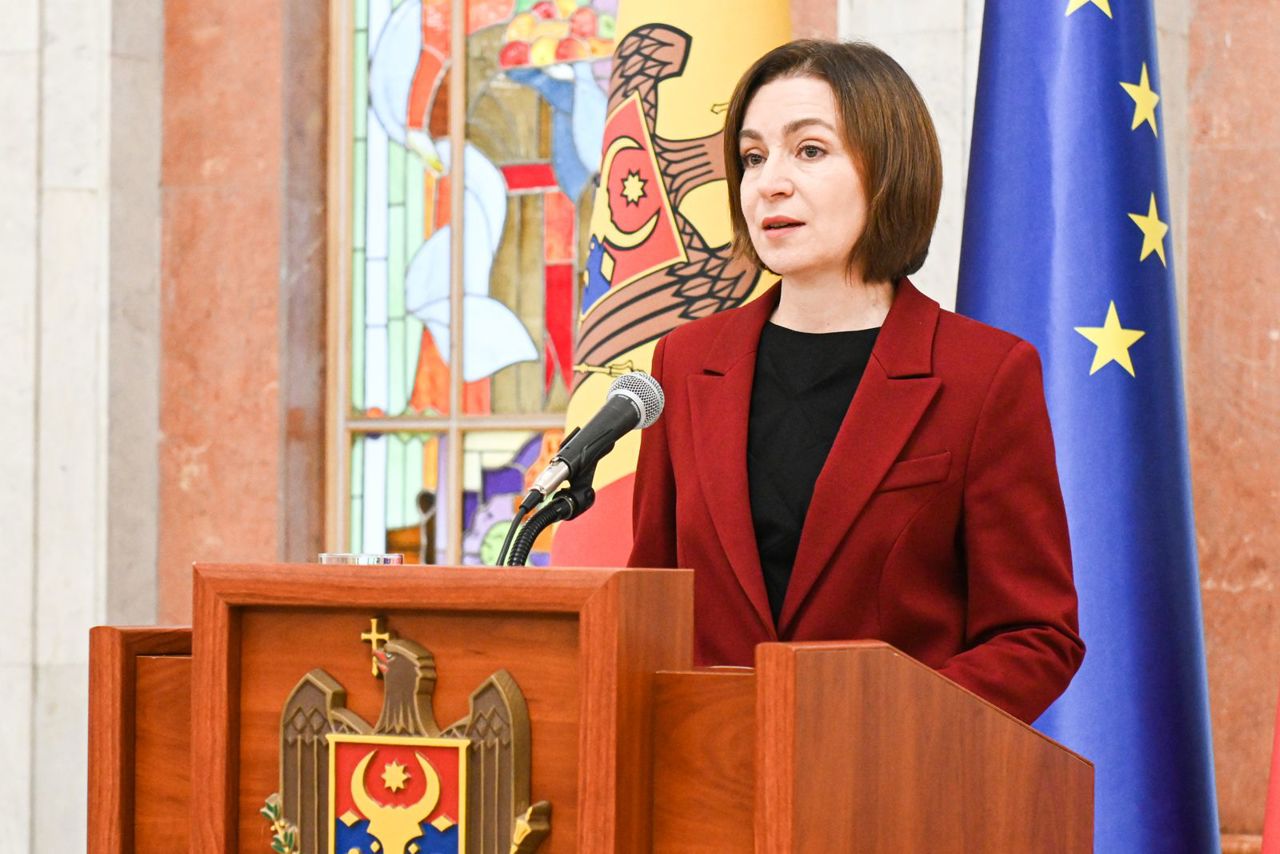
Bulgaria officially became the 21st member of the Eurozone on January 1, 2026, marking a historic shift that Moldovan President Maia Sandu describes as a vital benchmark for the region’s European aspirations.
In a statement released on X, President Sandu congratulated Sofia, emphasizing that the transition opens new opportunities for citizens and businesses while deepening European integration. Moldova, a candidate state, views this achievement as a blueprint for its own institutional journey.
Congratulations to Bulgaria on joining the euro area today — an important step that opens new opportunities for citizens and businesses.
— Maia Sandu (@sandumaiamd) January 1, 2026
Moldova looks with admiration and hope to this achievement as we pursue our own European path. Честито, България!
Strategic integration and economic stability
Bulgarian Prime Minister Rosen Jeliazkov characterized the move as more than a monetary change, calling it a "strategic choice" to solidify the nation’s standing within Europe. The adoption leaves only six EU states—Sweden, Denmark, Hungary, Poland, Romania, and the Czech Republic—with their national currencies.
European Central Bank (ECB) President Christine Lagarde noted that the Euro will strengthen Bulgaria’s economic foundation. She emphasized that the single currency increases resilience against global shocks and provides Sofia with a stronger voice in European decision-making processes.
A decade of fiscal discipline
The transition follows a steady decade of macroeconomic stabilization. Bulgaria’s inflation plummeted to 2.8% from a 13% peak in 2022, while the budget deficit remained within the EU’s 3% limit.
Public debt currently stands at a modest 24% of GDP, well below the 60% threshold required by Brussels. Economic forecasts remain positive, with the EU estimating real GDP growth of 3% for 2025 and 2.7% for 2026.
Diverse perspectives on the transition
Despite the official optimism, some local experts urge caution. Rositsa Rangelova, a professor at the Bulgarian Academy of Sciences, noted that while proponents believe joining the "wealthy nations' club" will bring progress, the transition remains a complex shift for the general population.
Sofia’s journey to the Euro began in 2018, with the lev pegged to the currency since 2020. The final approval was granted in June 2025 after the European Commission and the Eurogroup confirmed Bulgaria’s readiness.
Translation by Iurie Tataru