War costs leave 350,000 Russians in decaying homes as federal budget craters
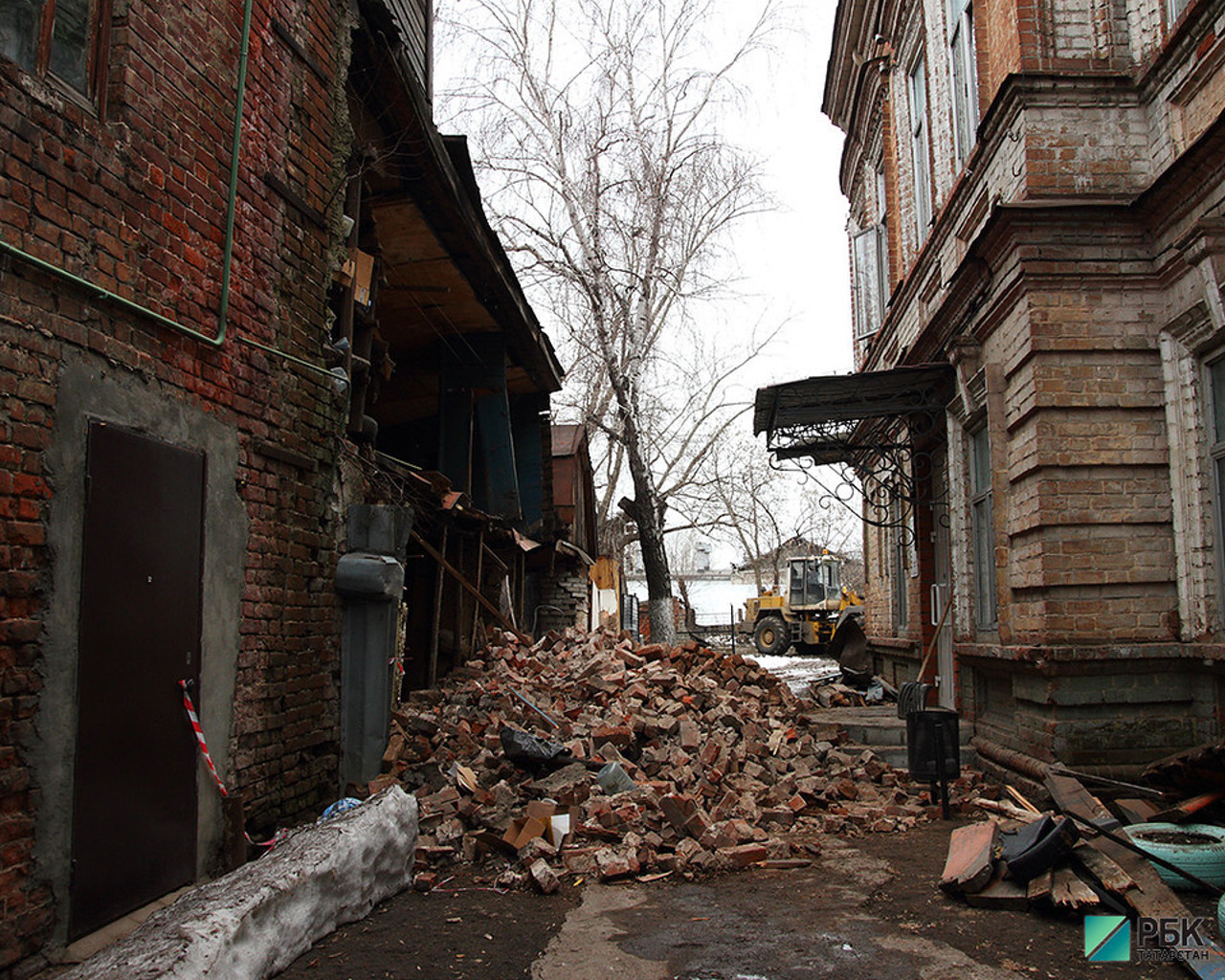
State Duma MP Andrei Gurulyov confirmed that Russia has effectively suspended its federal program to relocate citizens from dilapidated housing.
The freeze affects nearly 350,000 people and is a direct result of the financial strain caused by the ongoing war in Ukraine.
Speaking to subscribers on Telegram, Gurulyov admitted that promising a quick resolution to the housing crisis would be "a lie." He stated that the subject cannot be moved forward until the country can "catch its breath" following the "special military operation."
The growing fiscal gap
The Russian Ministry of Finance had initially earmarked over 160 billion rubles—approximately €1.52 billion—for the next three years to eliminate unsafe housing. However, Deputy Prime Minister Marat Khusnullin previously estimated the total cost of the project at 2 trillion rubles (€19 billion).
The program, now part of the "Infrastructure for Life" national project, aimed to relocate 345,000 citizens from 6.2 million square meters of decaying buildings between 2025 and 2030. Under normal rules, the state is required to purchase these properties from owners at market value.
Unmet targets and rising costs
Despite official reports claiming success in previous years, the program has stalled in at least 12 Russian regions. As of early 2024, Russia still had over 23 million square meters of housing officially recognized as unfit for habitation.
The Ministry of Construction has now proposed a bill to delay the program's implementation until September 2028. Critically, the proposal suggests shifting a portion of the financial burden onto the residents themselves.
A wartime economy
The suspension comes as Russia struggles with a widening budget deficit, which Finance Minister Anton Siluanov recently estimated at 2.6% of GDP for 2025. By late 2024, the "budget hole" had already reached 4.27 trillion rubles—roughly €40 billion.
Skyrocketing real estate prices and the depletion of federal reserves have made the original relocation deadlines impossible to meet. For hundreds of thousands of Russians, the promise of safe housing has been traded for the continued funding of the front line.
Translation by Iurie Tataru