From Guatemala to Venezuela: the enduring patterns of Washington’s regional policy
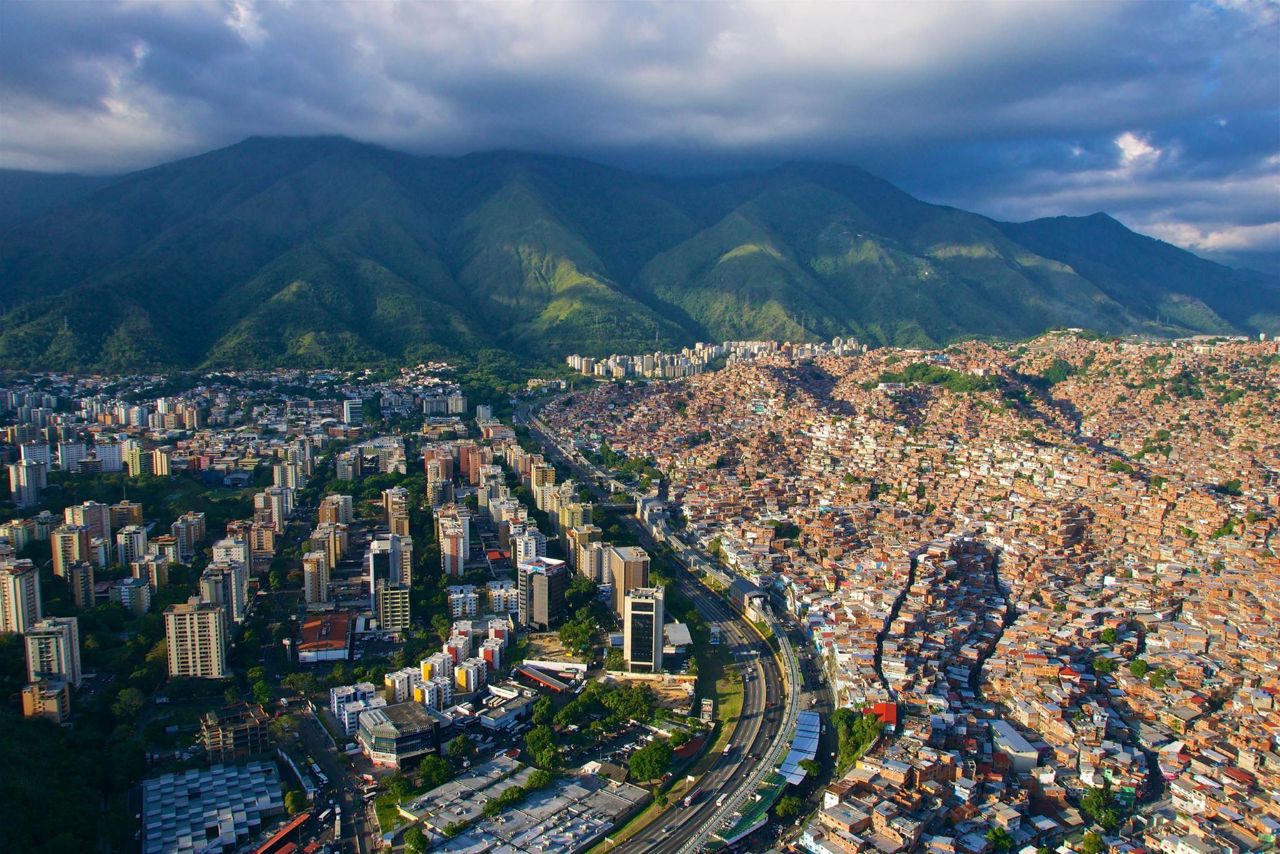
Washington’s recent warnings regarding a "large-scale attack" against Venezuela have reignited intense scrutiny over the United States’ century-long history of interventionism in Latin America.
From the onset of the Cold War to modern-day tensions, leaders like Hugo Chávez and Nicolás Maduro have consistently accused the U.S. of orchestrating coups and covert operations to reshape the region’s political landscape.
The Guatemalan precedent and the Cold War blueprint
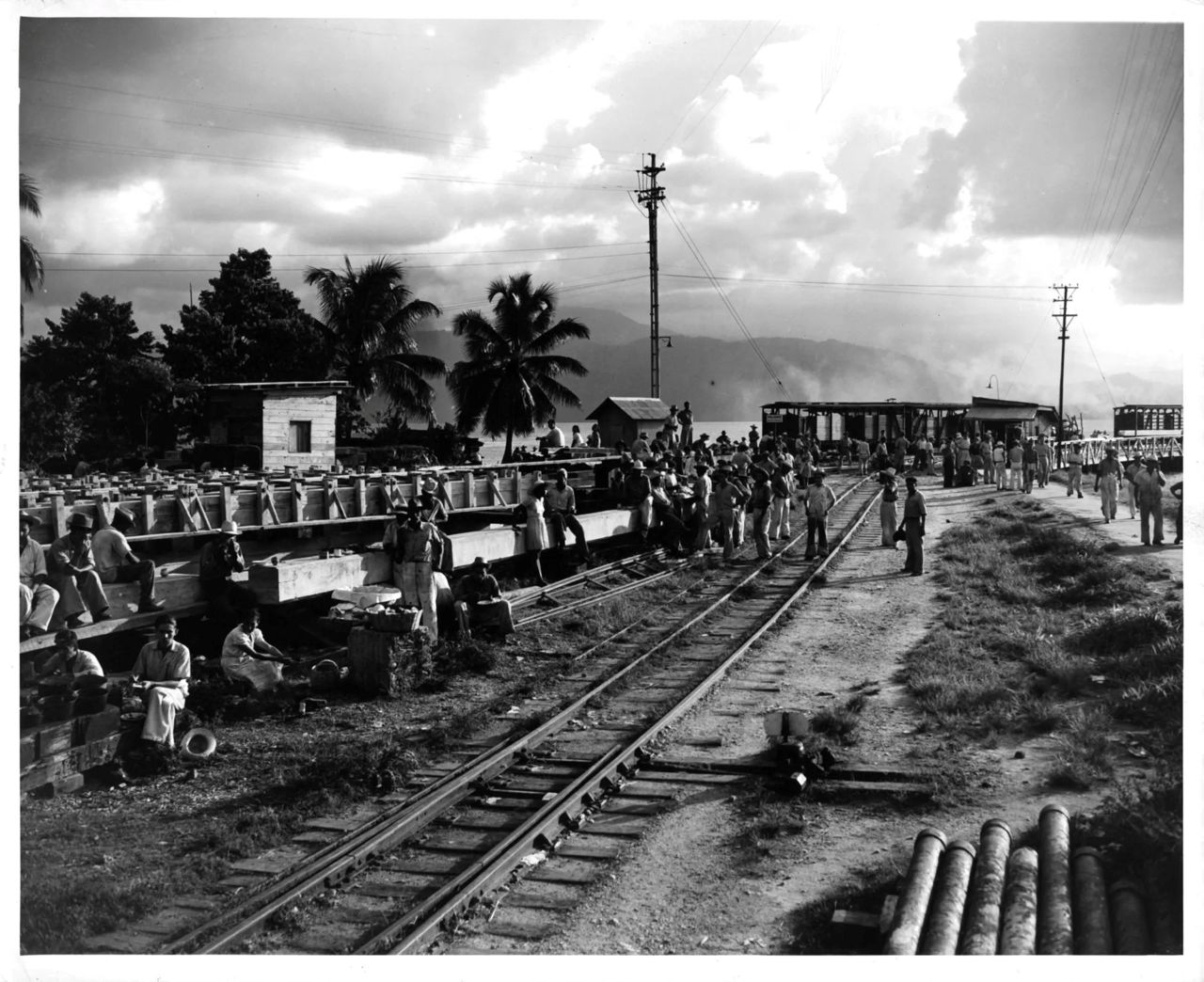
In 1954, Guatemala became a primary laboratory for U.S. intervention when the CIA orchestrated the removal of President Jacobo Árbenz Guzmán. His agrarian reforms threatened the interests of the United Fruit Company, prompting Washington to label his administration a communist threat.
This clandestine operation triggered decades of military juntas and a scorched-earth civil war that claimed hundreds of thousands of lives. It was not until 2003 that official U.S. records fully acknowledged the CIA’s direct role in financing the mercenaries who toppled the democratically elected leader.
Caribbean flashpoints: Cuba and the Dominican Republic
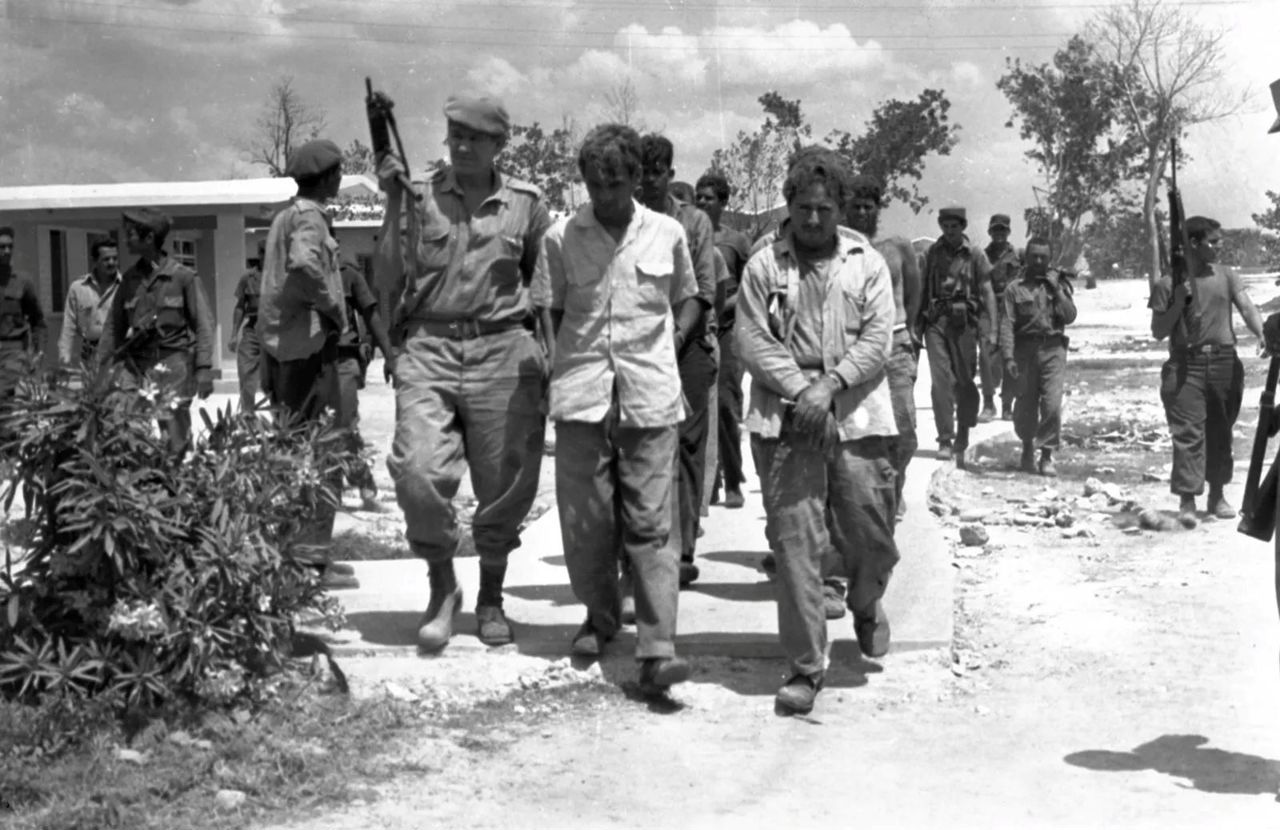
The 1961 Bay of Pigs invasion remains a defining failure in U.S. efforts to curb Soviet influence in the Western Hemisphere. The CIA-backed attempt by Cuban exiles to overthrow Fidel Castro only served to solidify his grip on power and entrench decades of open hostility between Havana and Washington.
By 1965, the U.S. military intervened in the Dominican Republic to suppress a popular uprising seeking the return of leftist President Juan Bosch. This "preventive" action underscored a growing trend: Washington prioritized controlled stability over unpredictable democratic processes that could mirror the Cuban Revolution.
Operation Condor and the era of the Dictators
During the 1970s, the U.S. supported or tolerated brutal military regimes across Chile, Argentina, and Uruguay as bulwarks against radical leftism. The 1973 Chilean coup, which ended with the death of Salvador Allende and the rise of Augusto Pinochet, remains the most prominent example of this era's interventionist reach.
Under "Operation Condor," these regimes coordinated a regional network of political repression and disappearances. In Central America, the Reagan administration later funded "Contra" rebels in Nicaragua and supported the Salvadoran military, resulting in conflicts that left over 120,000 people dead across the region.
End of the century: Grenada and the Panama invasion
The 1980s concluded with overt displays of military force, starting with Operation Urgent Fury in Grenada in 1983. While internationally criticized, the invasion signaled Washington's renewed readiness to use direct military action to eliminate perceived Cuban or Soviet outposts.
In 1989, tens of thousands of U.S. troops invaded Panama to oust General Manuel Noriega, a former intelligence asset turned liability. This operation marked the end of the Cold War era but left a complex legacy at the "School of the Americas," where many of the region’s future dictators had been trained in counter-insurgency tactics.
Translation by Iurie Tataru