Government increases medical allowances to €12,750 amid staffing crisis
Moldova is struggling to fill medical vacancies in its rural districts as medical school graduates increasingly bypass positions outside the capital.
To combat this, the government has announced it will double the state resettlement allowance from 120,000 MDL to 250,000 MDL (approx. €12,750).
The new payment structure, set to take effect in 2027, comes with stricter conditions. Recipients must now commit to working in their assigned regional hospitals for five years, up from the previous three-year requirement.
The struggle for regional specialists
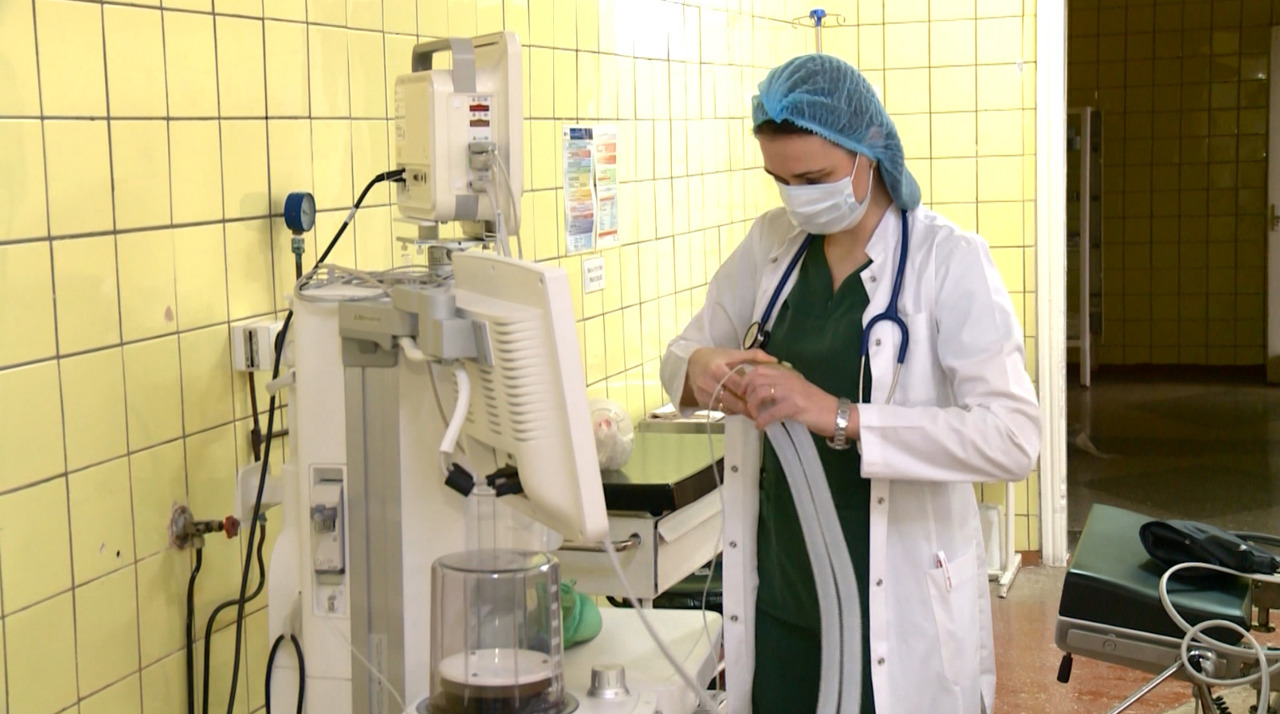
For many young doctors, the current financial incentive is insufficient to cover the logistical hurdles of rural life. Mihaela Macovei, an anesthesiologist at Nisporeni Regional Hospital, commutes daily from the capital, Chișinău.
"I used my €6,120 allowance to buy a car to make the commute possible," Macovei explained. She noted that while the bonus is a welcome gesture for young families, it falls short of covering the high costs of housing or modern transportation.
Deepening vacancies in the countryside
The personnel deficit worsens as the distance from Chișinău increases. At Soroca Regional Hospital, Director Ella Ursu reports a need for over 23 doctors. "We hope the increased allowance will encourage young families to finally settle in our region," Ursu stated.
Current data shows that only about 340 graduates accepted regional placements during the last recruitment cycle. The most critical shortages are found in family medicine (250 vacancies), emergency medicine (85), and general surgery (50).
Urbanization and aging staff
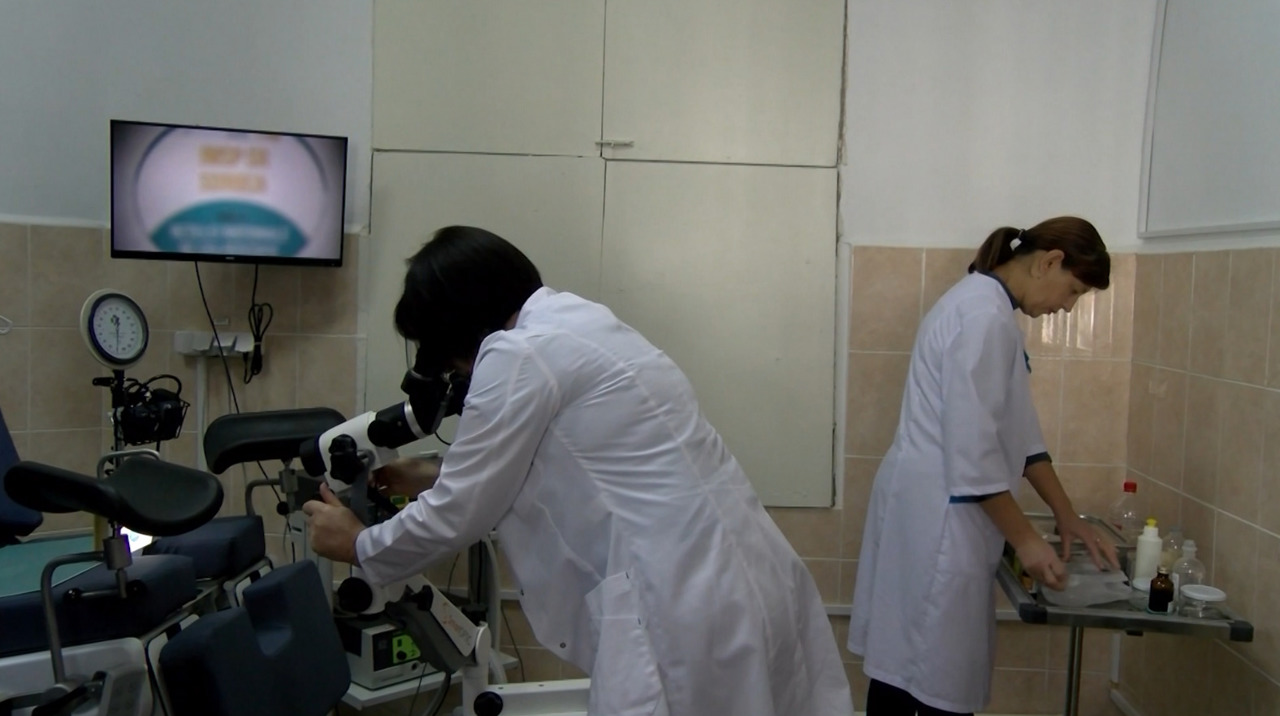
Nadejda Ulinici, Director of the Nisporeni Hospital, points out that many students marry and purchase property in the city long before graduation. This makes the move to a smaller town a difficult social transition.
Furthermore, many departments currently rely on a single specialist, often of retirement age. Without a steady influx of young professionals, critical fields like neurology and ophthalmology risk being left without any coverage at all.
Translation by Iurie Tataru