Moldova will select its Eurovision representative on January 17: Paula Seling and Jamala in the National Final

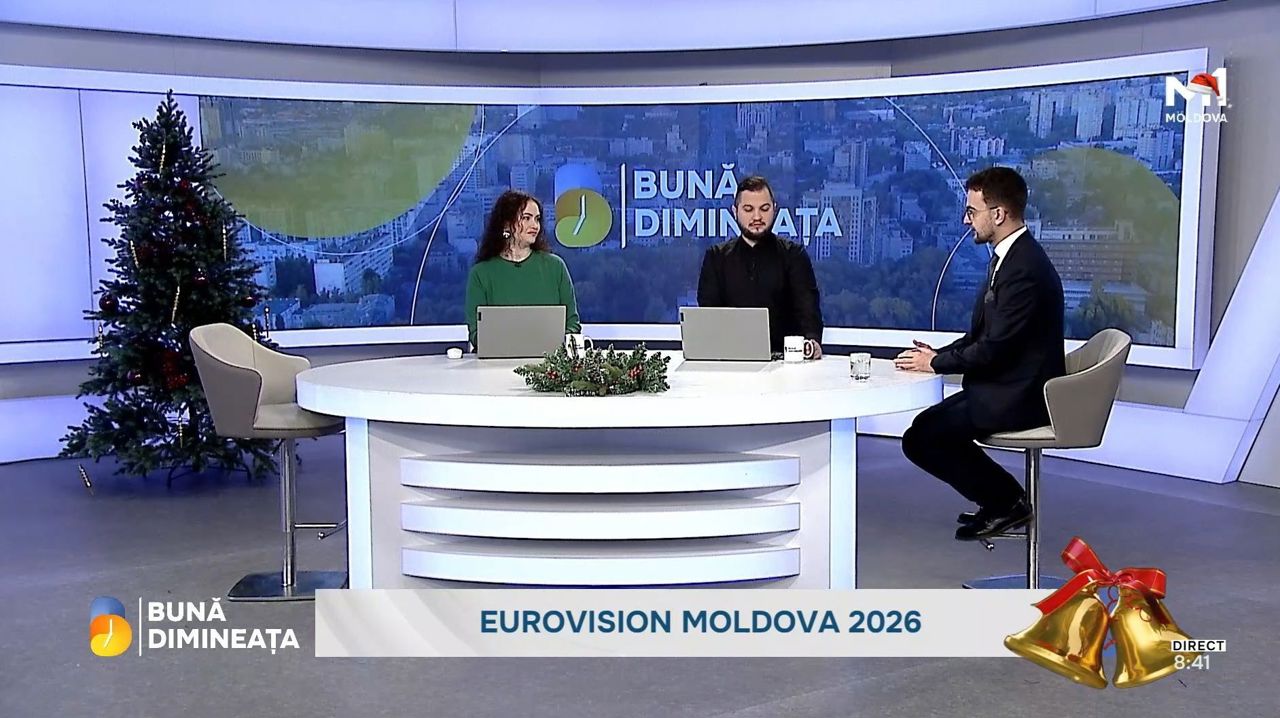
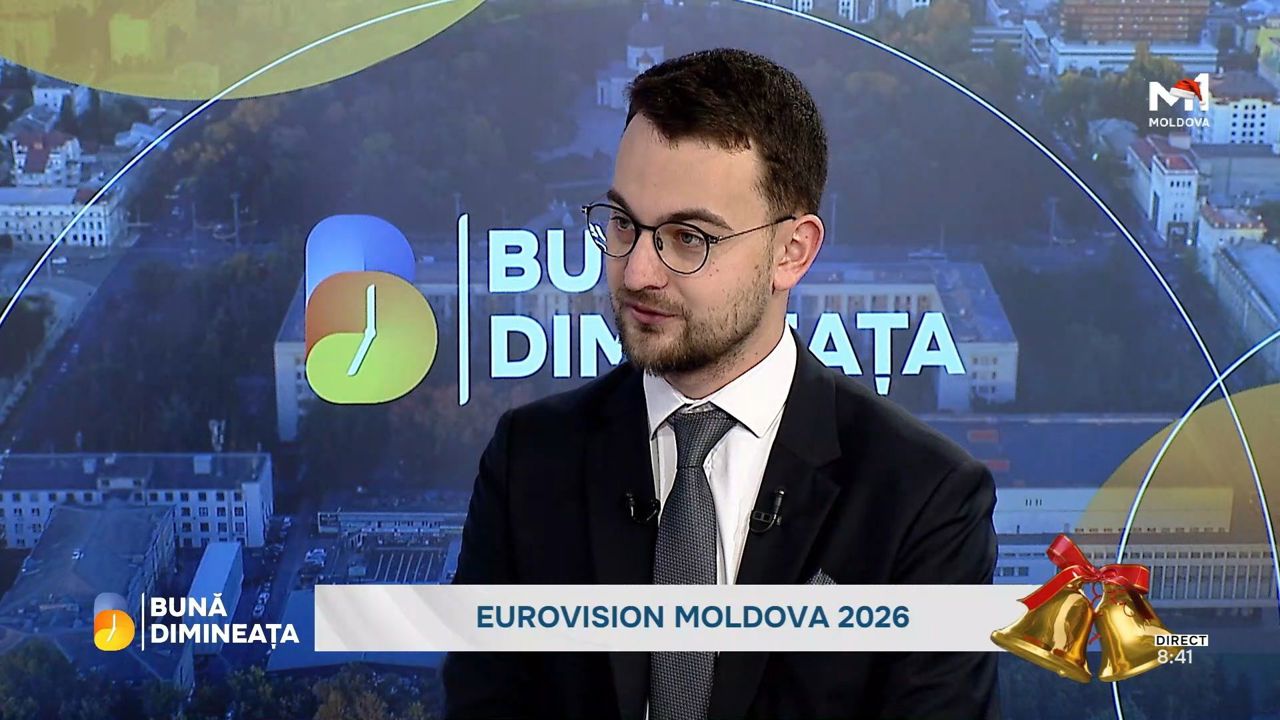
The Republic of Moldova will select its representative for the Eurovision Song Contest on Saturday, January 17, during the National Final. This event will be held at the Chisinau Arena, starting at 7:00 p.m. It marks the country's return to the competition and introduces significant changes in the organization of the selection process. Andrei Zapșa, the deputy general director of "Teleradio-Moldova" (TRM), which oversees the television broadcasting, shared these details during an interview on the "Bună dimineața" show on Moldova 1.
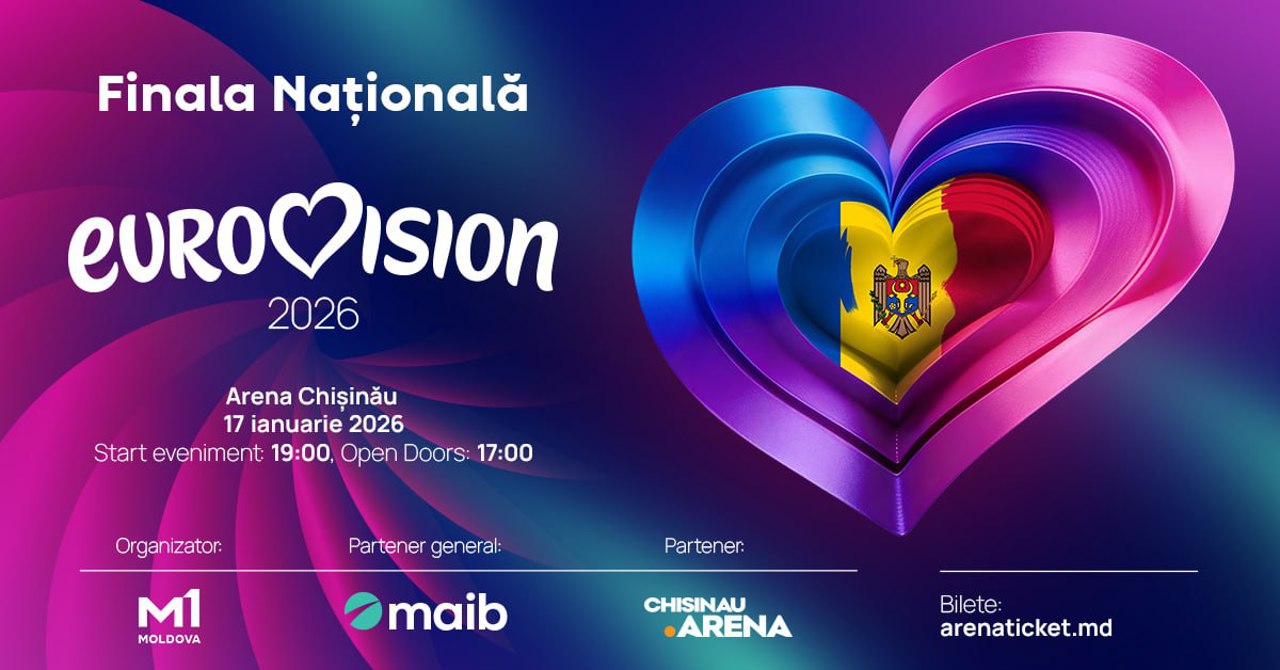
According to Zapşa, the decision to move the final from television studios to a large arena is intended to "rejuvenate" the contest and alter the public's perception of the national selection.
"Our goal was to inject new energy into the competition, bring more fans into the venue, and attract young artists who are just beginning their careers," explained the deputy general director of TRM.
Eurovision-style show featuring 16 competing songs
The National Final will showcase 16 performers and their songs, exceeding initial expectations.
The organizers promise a show featuring the "classic elements" of a Eurovision final: live music, a grand production, and an experience designed for both the audience in the venue and viewers at home.
In addition to the competitors, the evening will feature special performances by artists who have gained recognition for representing the Republic of Moldova on the European stage, including Zdob și Zdub, SunStroke Project, DoReDoS, and Cristina Scarlat.
International guests will also take the stage, including Paula Seling from Romania and Jamala from Ukraine, the latest winner of Eurovision.
New voting system and expanded jury
The winner will be determined through a voting system that divides the decision into three equal parts: one-third will be decided by the national jury (15 members), one-third by the international jury (5 members), and one-third by televoting.
According to Zapșa, the expansion of the jury was implemented in response to requests from artists and producers to enhance the competition's credibility.
The identities of the jurors will be disclosed later, but the organizers have announced that they come from a variety of fields and include professionals with experience in the international music industry.
After the Final: Preparations for Vienna
As soon as the winner is announced, “TeleRadio-Moldova” will begin preparing for participation in the international contest. The plan includes a promotional tour in the participating countries, along with the development of the stage concept, covering everything from graphics and choreography to the final production for the Vienna stage.
“We have the resources and the right team to achieve a good result. Participation is already a win for us, but we want more,” emphasized Andrei Zapșa.
The Eurovision National Final will be broadcast live on Moldova 1 TV, and tickets for entry to the Chișinău Arena can be purchased online.
The organizers encourage the public to join this collective effort to bring the Republic of Moldova back into the spotlight of musical Europe.
This year, the Republic of Moldova is participating in the Eurovision Song Contest for the 20th time. This music competition will celebrate its 70th anniversary in 2026, having first been organized in Switzerland in 1956. Over the past seven decades, Eurovision has become one of the most-watched music events in the world, attracting hundreds of millions of viewers annually.
The Republic of Moldova made its debut in the competition in 2005 and qualified for the final during its very first participation.
Moldova's best result at Eurovision remains third place, achieved in 2017 by the SunStroke Project with the song "Hey Mamma." Over the years, the country has also gained recognition through memorable performances by artists such as Zdob și Zdub, Nelly Ciobanu, and Pasha Parfeni, who have helped establish Moldova's identity on the European stage.
Another notable aspect is the consistency of Moldova's qualifications; it ranks among the countries with one of the highest qualification rates for the final relative to the number of participations, particularly over the last decade.
At an international level, Eurovision has evolved from strictly a music competition into a significant cultural platform, where national identity, social messages, and stage innovation are increasingly pivotal. In recent years, the competition has also served as a barometer for the European music industry, launching artists who later achieve international success.
This year's edition is particularly symbolic, as it not only marks the 70th anniversary of the contest but also celebrates Moldova's return to the competition after a break, amidst heightened interest from fans and international media.