Moldova bets on digitalization to boost growth beyond 4%
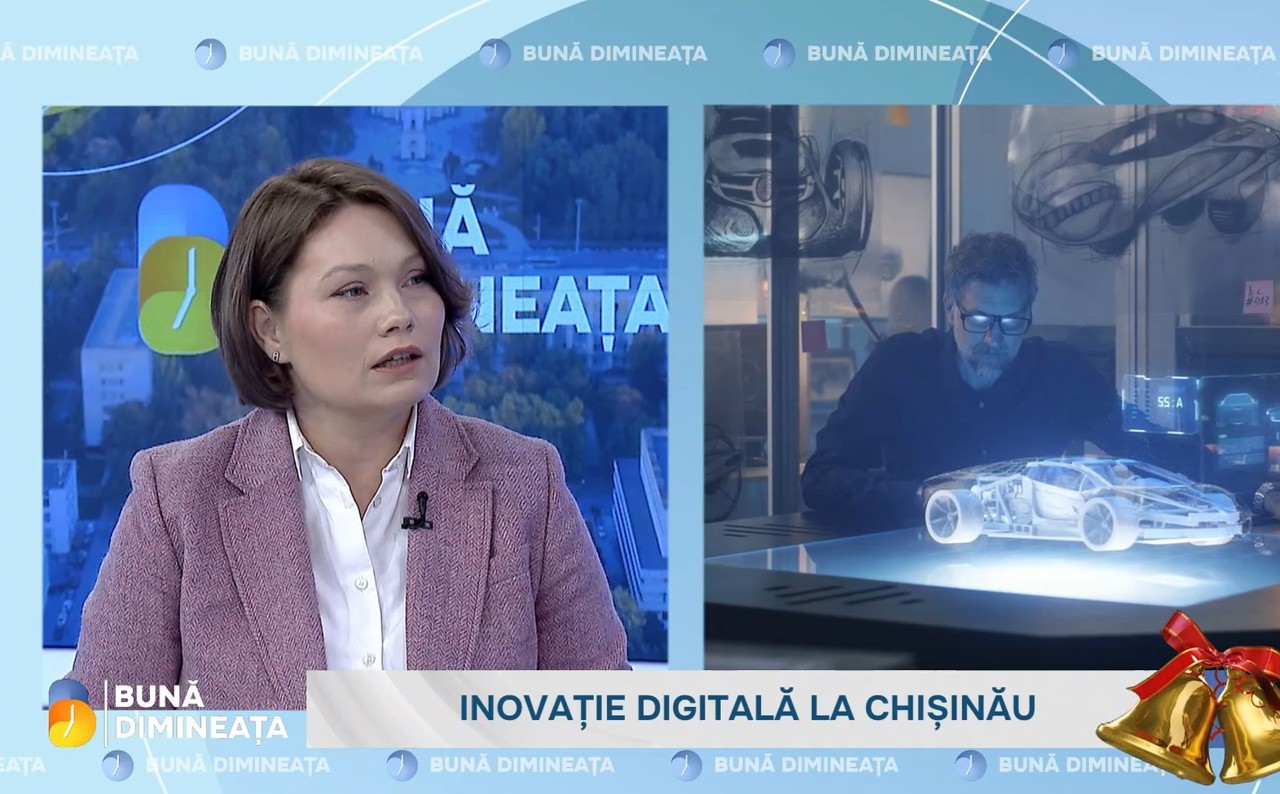
In 2025, the Republic of Moldova achieved a historic milestone when its exports of services surpassed those of goods. Michelle Iliev, State Secretary at the Ministry of Economic Development and Digitalization (MDED), emphasizes that this accomplishment should be leveraged to facilitate a smooth transition from a consumer-driven economy to a creative one.
For 2026, the Republic of Moldova has set a goal to promote an economy based on talent and technology, according to Michelle Iliev.
"We will establish the first digital hub in the Republic of Moldova, which will assist companies in innovating and understanding how to integrate technologies that can enhance their productivity and increase the export of services or goods," explained the Secretary of State on January 16 during the show "Bună Dimineața" on Moldova1.
The European Commission has provided a grant of one million euros for the next three years. This funding will be utilized to train small and medium-sized enterprises (SMEs) to better understand the application processes and financial resources available from the European Commission, Iliev added.
Iliev emphasized that the primary goal of the program is to inform companies about the existing financing options. Calls for applications are already open through initiatives such as "Creative Moldova" and "Creative Europe," with available funds accessible to enterprises in sectors including agriculture, healthcare, and media for business development.
The second objective is to provide practical assistance in applying for projects and utilizing financial instruments made available by the Organization for the Development of Entrepreneurship (ODA). This includes grants for digital transformation, start-ups, and digital innovations, as well as identifying additional necessary financial resources.
"We have been working on this for a long time, but now we are centralizing these efforts in one location: this hub, a consortium of various associations and institutions—both private and public—that can provide more specialized assistance than what we previously offered. Additionally, they will have access to an international network, particularly a European network. As I mentioned earlier, we are integrating before actual integration takes place; the digital transformation is already in progress," Iliev noted.
In the context of digitalization, the Republic of Moldova is also focused on transitioning from IT outsourcing to developing its own products. According to the Secretary of State, the mature IT sector can stimulate economic growth through innovation and product development.
"Innovative products will drive our growth and are crucial for achieving faster economic expansion. With technological advancements, we can exceed the projected 4% economic growth and even reach 8%," Iliev said.
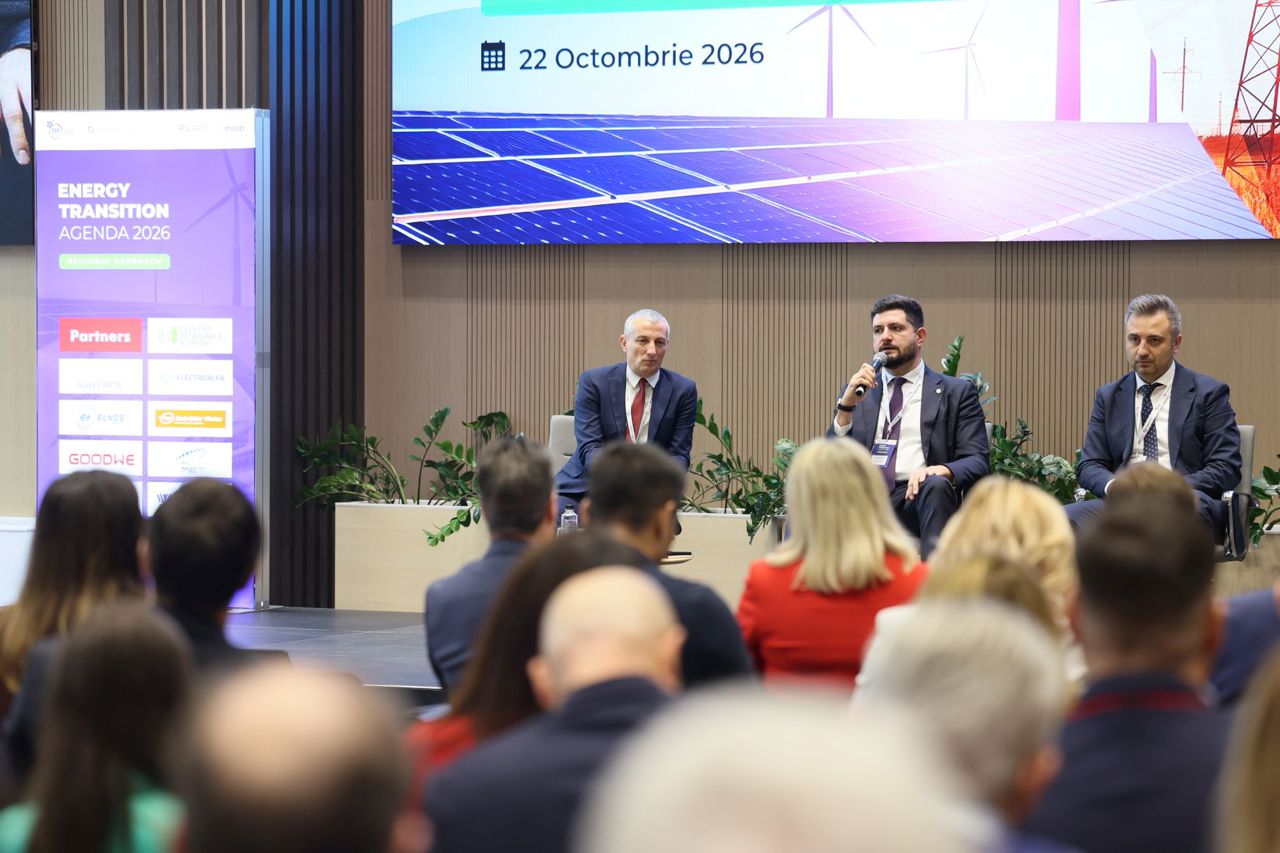
Digitalization is expanding across all economic sectors and is supported by new legislative frameworks, such as the Sandbox law. This law offers companies a safe space to test unregulated technologies, reducing risks and encouraging investments. Currently, the law applies to the energy sector, and in the future it will extend to innovative technologies, providing access to European funding of 220 million euros. This positions the Republic of Moldova among the top three European countries with such a mechanism, despite not being a member of the European Union.
Another significant advancement is the “freelancers law,” which came into effect on January 1, 2026. This law enables young creative individuals to become responsible tax residents, contribute to the public budget, and benefit from social and medical insurance.
"As of yesterday evening and this morning (January 16), over 300 freelancers have already registered. We are particularly focusing on the IT and creative industries, as they operate in international markets and have not previously been on the radar of tax authorities or included in the economy," explained Michelle Iliev.
Regarding the encouragement of research and innovation, the Secretary of State highlighted the role of the European Digital Hub. This initiative provides consultancy and support to small and nascent companies. For more established companies, the ministry will implement the FIMAP instrument, offering mini-grants for research and innovation. Collaboration with the Moldova Innovation Technology Park will further enhance the support ecosystem.
The journey of a young entrepreneur in this ecosystem relies not only on their innovative idea but also on their speed and determination to access available resources.
"You don’t need to stay idle for too long. We are a small country, and our tools are designed so that any young individual—whether they have developed a groundbreaking drone or run a mature company—can access the necessary resources to innovate," Iliev concluded.
The Secretary of State highlighted the FAIMA program, which aims to utilize artificial intelligence to assist companies and public administrations in optimizing services and reducing bureaucracy. He mentioned that discussions are already in progress with the Public Services Agency and the Ministry of Finance to integrate AI into big-data registers and financial systems. The implementation of concrete projects is expected to begin in the first semester of 2026.
Simultaneously, the authorities are preparing a government program focused on AI and innovation, which is set to be adopted by June.
"We expect to discuss this further towards the end of the first quarter, or around May to June, when we will have results or projects that can be implemented. This initiative is certainly a priority for us. We also plan to introduce a program dedicated to AI and innovations, aiming to secure a vote on it in the Government by June, coinciding with the Digital Summit," concluded Michelle Iliev on Moldova 1.