Moscow loses leverage as Chisinau severs last post-Soviet ties
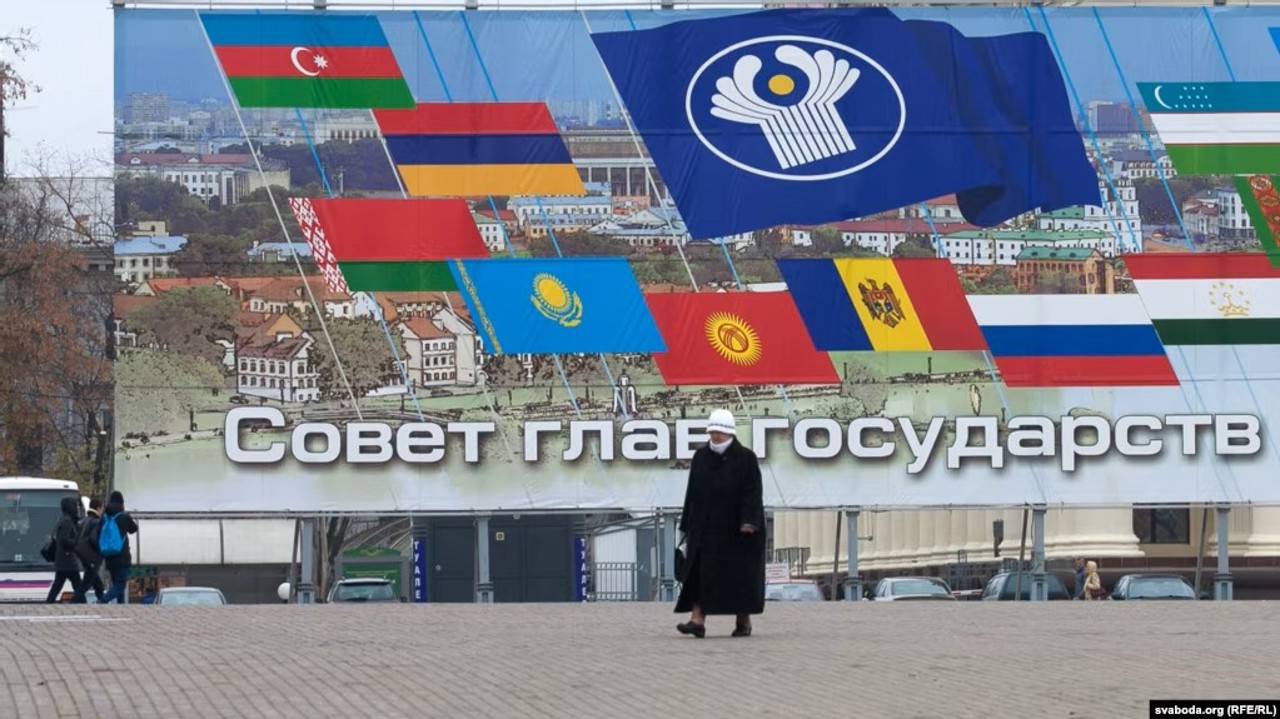
Moldova is preparing for a final legal exit from the Commonwealth of Independent States (CIS), a move experts describe as a symbolic but necessary divorce from Russian influence. The Moldovan Ministry of Foreign Affairs confirmed that Chisinau will denounce the foundational 1991 and 1993 treaties that established the post-Soviet bloc.
Security analyst Andrei Curăraru notes that withdrawing from the CIS is a natural requirement for Moldova’s status as an EU candidate. The differing economic frameworks between the EU and the Russian-led CIS make dual membership increasingly incompatible.
While the move is legally significant, its immediate economic impact is expected to be minimal. Moscow’s ability to exert financial pressure has dwindled to a few sensitive export categories, such as apples, as Moldova has diversified its trade toward Western markets.
Erosion of Russian energy leverage
Political analyst Ion Tăbârță argues that the Kremlin has lost its most potent weapon: energy blackmail. Historically, Russia used natural gas supplies and electricity from the Transnistrian region to influence Moldovan policy.
Following the 2012–2014 Russian embargos, Moldova accelerated its commercial orientation toward the European Union. Labor migration patterns also shifted naturally after 2014, as working in the Russian Federation became less profitable for Moldovan citizens compared to EU opportunities.
Hybrid warfare and propaganda
Despite losing economic and energy grip, Russia continues to deploy "hybrid warfare" tools. This includes disinformation campaigns, illicit political financing, and supporting pro-Russian factions within Moldova to create internal instability.
The Kremlin will likely exploit the CIS exit for domestic propaganda, framing it as an "anti-Russian" move. Moscow often uses narratives claiming Moldova is "destroying its statehood" or acting as a "Western tool" to maintain influence over the post-Soviet space.
Moscow’s response: "We can only regret"
Kremlin spokesperson Dmitri Peskov reacted to the news by calling the exit a "predictable step," noting that Moldova’s participation in the CIS had been effectively frozen for years. He stated that Russia regrets Chisinau's policy of "denying any relationship" with Moscow-led integration processes.
In December 2023, President Vladimir Putin claimed that Moldova’s presence in the CIS held "little value" for Russia. He remarked that if the country does not wish to participate, it is "their choice."
The legal roadmap for withdrawal
Foreign Minister Mihai Popșoi announced that Moldova is systematically auditing its 283 agreements with the CIS. To date, 71 treaties have been denounced, and approximately 60 others are currently in the process of being terminated.
This legal dismantling marks the end of an era for Moldova, shifting the nation's focus entirely toward its 2030 goal of European Union membership.
Translation by Iurie Tataru