Ten dead as catastrophic ice storm shuts down major US cities
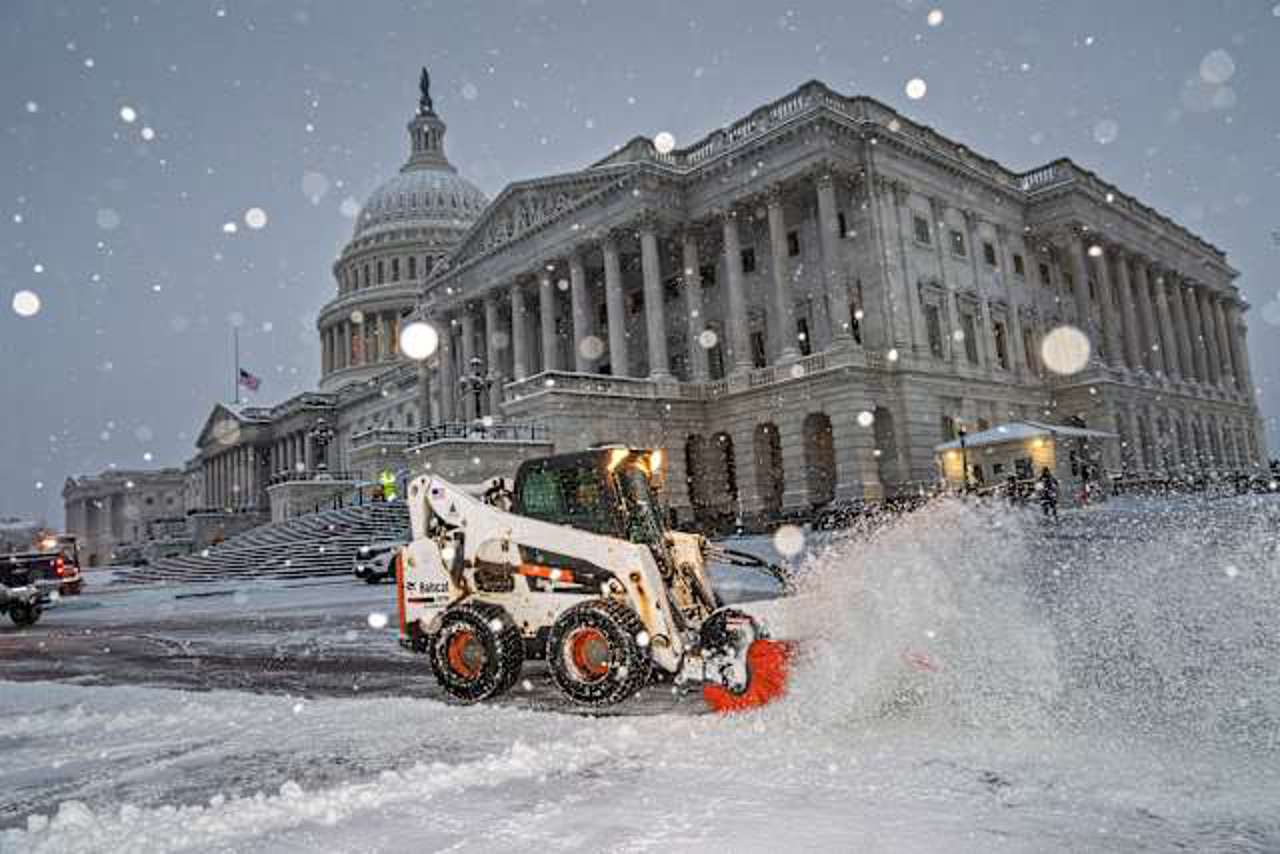
A massive winter storm has claimed at least ten lives across the United States, plunging over one million households into darkness and grounding thousands of flights.
Meteorologists describe the event as one of the most severe winter episodes in decades. On Monday, January 26, the National Weather Service (NWS) warned of further "catastrophic" ice accumulations and heavy snowfall across 20 states currently under a state of emergency.
Fatalities and urban impact
New York City Mayor Zohran Mamdani confirmed that five people were found dead outdoors over the weekend. While official causes of death are pending, Mamdani emphasized the extreme vulnerability of the city's homeless population during such a "deadly cold."
In Texas, authorities reported three fatalities, including a 16-year-old girl involved in a sledding accident. Meanwhile, Louisiana health officials confirmed two deaths due to hypothermia as the freeze moved through the South.
Power grid failures
The storm has crippled infrastructure, leaving 840,000 customers without electricity as of Sunday night. Hardest hit were southern states where power lines are not designed for heavy ice loads.
Tennessee reported over 300,000 outages, while Louisiana, Mississippi, and Georgia each saw over 100,000 homes lose power. Officials from Texas to North Carolina have urged residents to stay off the roads to avoid life-threatening conditions.
Travel and logistics chaos
The blizzard moved into the densely populated Northeast on Sunday, burying Washington D.C., Philadelphia, and New York under several inches of snow.
Over 19,000 flights have been canceled since Saturday, effectively paralyzing major travel hubs. President Donald Trump addressed the crisis on Truth Social, stating that the administration is monitoring the situation and urging citizens to "stay safe and warm."
The science of the freeze
Scientists attribute the extreme weather to a disruption of the polar vortex, a mass of cold air that typically circulates the North Pole. This disruption has allowed frigid Arctic air to spill far into the southern United States.
Experts warn that life-threatening temperatures could persist for another week. In the Northern Plains, wind chills are expected to drop to -45°C, a level of cold that can cause frostbite on exposed skin within minutes.
Translation by Iurie Tataru