From farm to market: How ANSA’s regulatory overhaul is fueling Moldova’s rural entrepreneurship.
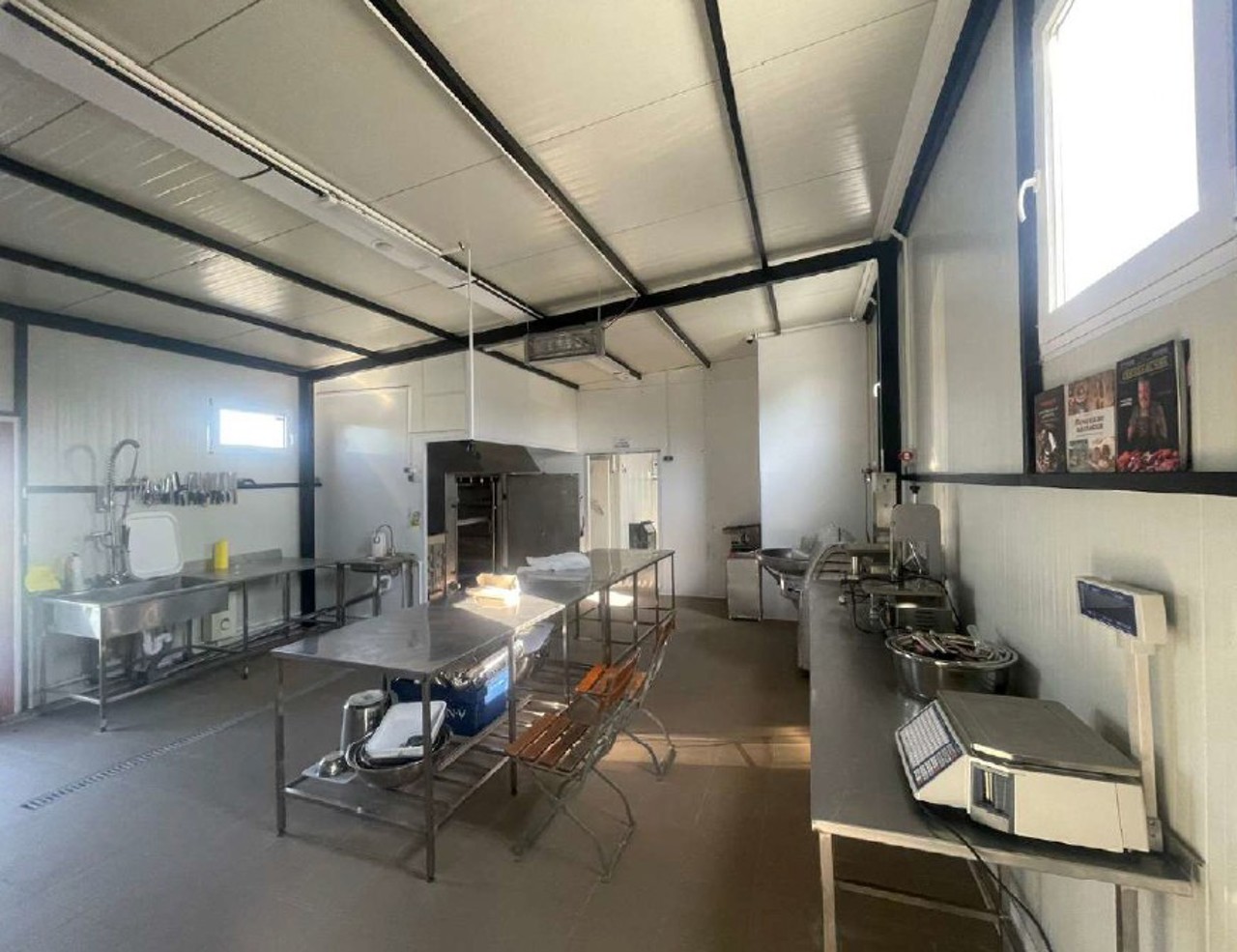
The National Food Safety Agency (ANSA) reports that 33 micro-producers have successfully formalized their businesses over the past year. This milestone follows a strategic shift in regulations designed to simplify certification for small-scale food operators.
The new legal framework allows these family-run businesses to bypass the rigid, industrial-grade requirements typically imposed on large factories. As a result, local entrepreneurs can now deliver finished products directly to consumers or retail chains seeking authentic, local partners.
Empowering rural entrepreneurship
The reform targets a wide array of sectors, including artisanal bakeries, pastry shops, and producers of cold-pressed oils. It also covers specialized niches such as freeze-dried fruit production and small-scale livestock processing facilities.
By adapting hygiene and safety standards to low-volume production, the state has eliminated the need for complex HACCP systems for these micro-units. This flexibility honors traditional preparation methods while ensuring rigorous safety for the public.
A boost for agritourism
The simplified procedures are a game-changer for the hospitality sector. Guesthouses and agritourism hubs can now legally serve home-grown products, significantly reducing overhead costs associated with industrial-grade kitchen equipment.
ANSA continues to encourage small producers to register officially. This formalization provides entrepreneurs with legal stability and opens doors to new markets and state subsidies, strengthening the backbone of Moldova's rural economy.
Translation by Iurie Tataru