Socialist opposition challenges Moldovan Government over energy costs and defense spending.
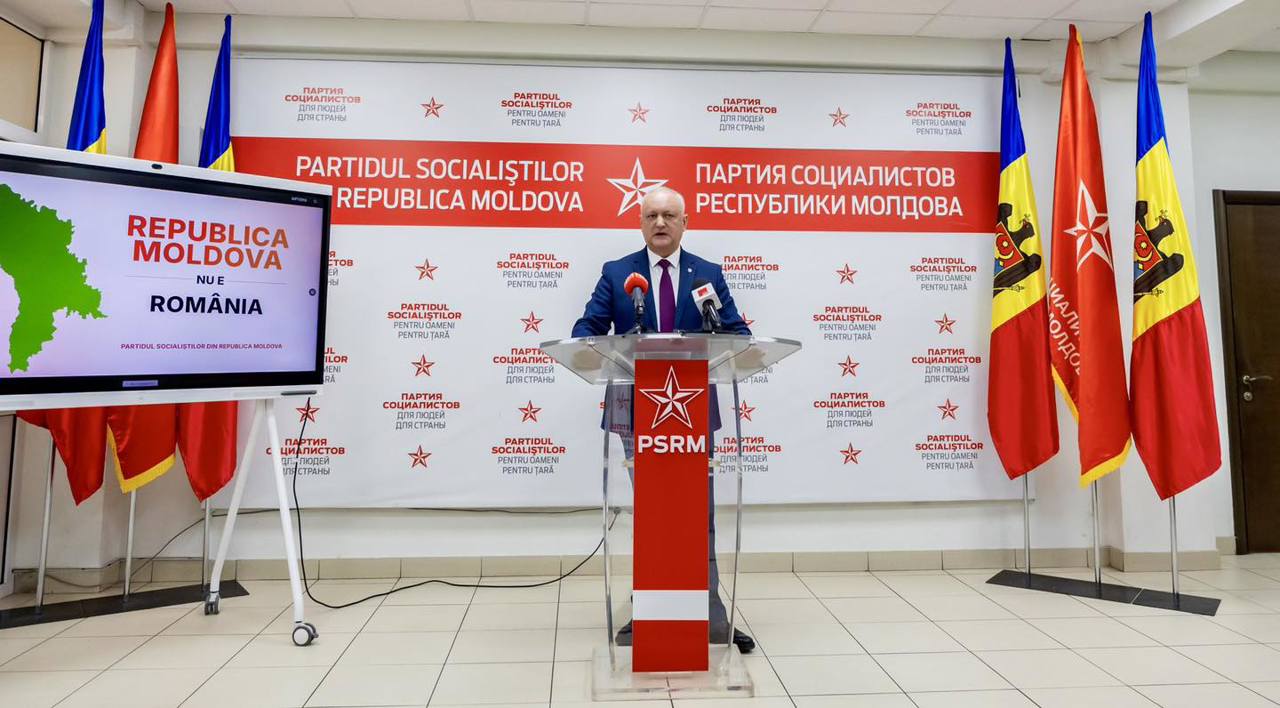
The Party of Socialists of the Republic of Moldova (PSRM) is considering a no-confidence motion to dismiss the Cabinet led by Prime Minister Alexandru Munteanu. The announcement was made by MP Igor Dodon during a press conference on February 2, marking a tense start to the spring parliamentary session.
The Munteanu administration, which took office on November 1 last year, faces criticism from the opposition for its handling of economic crises. Dodon stated that the government has failed to meet the high expectations set during its inauguration.
The signature gap
To initiate a no-confidence motion, the opposition requires signatures from at least one-quarter of the 101 MPs (26 signatures). Currently, PSRM holds 17 seats, the largest opposition bloc, meaning they must secure at least nine additional signatures from other deputies to proceed.
A successful dismissal of the Cabinet would require a majority vote of 51 parliamentarians. The process is expected to follow a simple motion regarding agricultural policies scheduled for later this week.
Defense funds vs. social support
A central point of the Socialist agenda involves a radical shift in budgetary priorities. Dodon called for the reallocation of funds earmarked for military infrastructure and surveillance technology toward heating subsidies for the elderly.
"Funds for radar procurement and military bases should be redirected to families struggling with utility bills," Dodon remarked. He highlighted the rising cost of living, noting his own December gas bill reached approximately €305 (approx. 6,000 MDL), a figure he claims is unsustainable for most citizens.
Sovereignist campaign launched
Beyond legislative maneuvers, PSRM announced a national "patriotic and sovereignist" campaign. This move is designed to counter the pro-European and unionist narratives of President Maia Sandu. Dodon emphasized that his party aims to protect Moldovan statehood against external influences.
The party's broader 2026 agenda includes a proposed 30% salary increase for teachers and a moratorium on the closure or merger of educational institutions.
Regional diplomatic context
The spring session opens on February 3 with high-level Baltic representation. The speakers of the Parliaments of Estonia, Latvia, and Lithuania (Lauri Hussar, Daiga Mieriņa, and Juozas Olekas) are scheduled to attend the inaugural meeting.
This diplomatic presence underscores Moldova's ongoing EU integration efforts, which will be further reviewed by the Commission for European Integration on February 4.
Translation by Iurie Tataru