Genderdoc-M report 2025: Systemic vulnerabilities and Transnistrian repression
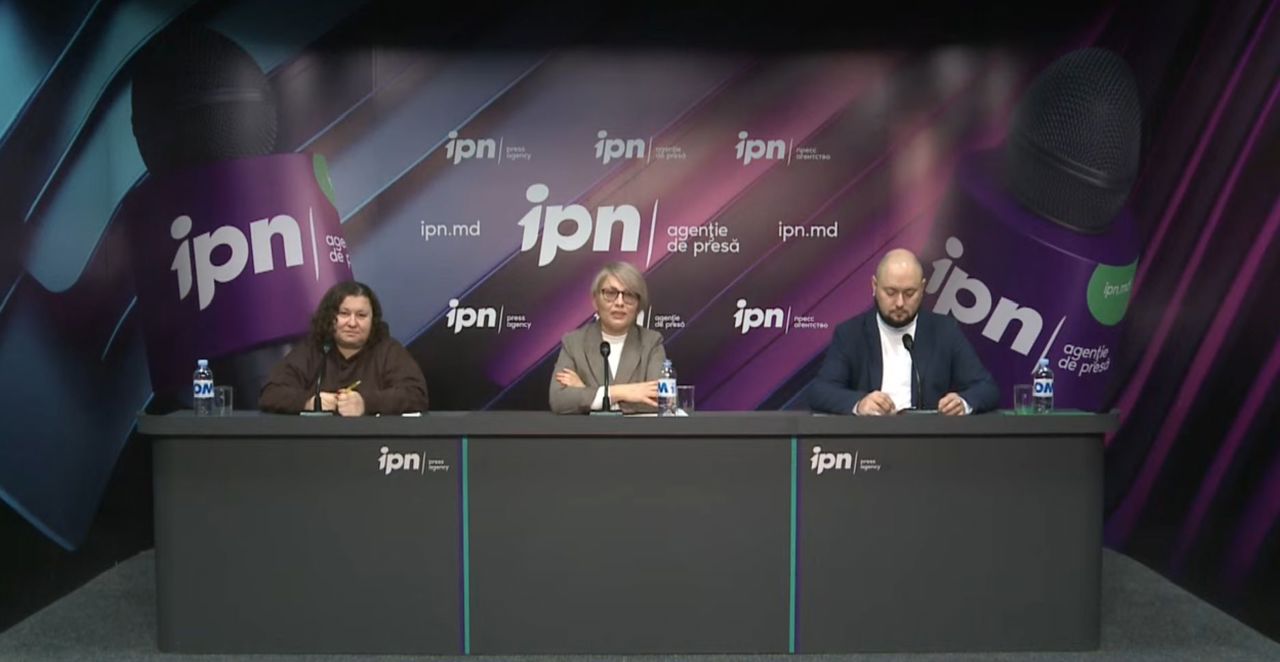
Hate speech and transphobic rhetoric in Moldova shifted toward "veiled" disinformation in 2025, often hidden within anti-EU narratives and electoral messaging. The annual report on LGBTI+ rights, released on February 3, 2026, warns that election years remain the most volatile periods for human rights.
Genderdoc-M coordinator Angelica Frolov noted a significant evolution since the early 2000s. While direct incitement to violence and murder has decreased, public discourse has become more "refined," utilizing sophisticated propaganda rather than blunt threats.
Religious leaders have largely retreated from public homophobic statements. However, the report highlights a rise in hostile rhetoric from politicians who previously remained neutral, particularly following the adoption of the European Commission’s LGBTI+ Equality Strategy 2026-2030.
Physical violence and legal hurdles
Advocacy coordinator Alexandru Goja reported documented cases of blackmail, theft, and physical assaults. In several instances, victims were lured through dating applications specifically to be targeted and attacked.
Despite legislation providing for aggravated circumstances in bias-motivated crimes, implementation remains inconsistent. Goja urged victims to report all incidents, stressing that systemic homophobia still prevents many from seeking justice.
Critical situation in Transnistria
The report describes a "dire" reality in the Transnistrian region. In 2025, de facto authorities in Tiraspol adopted amendments banning "non-traditional relationship propaganda," leading to illegal detentions and intimidation by local militia.
The repression has had fatal consequences, including the documented suicide of a transgender individual. Community members in the region report feeling profoundly unsafe under the current regime.
Alarming data on youth and abuse
A 2025 study of 116 LGBTI+ individuals regarding their adolescence (ages 11-17) revealed staggering levels of vulnerability:
90% were exposed to sexualized comments or jokes.
70% reported non-consensual sexual touching.
50% were approached with sexual propositions in exchange for money or gifts.
25% experienced physical sexual coercion.
"These figures are alarming for all children, not just those who are LGBT," Frolov stated. She noted that fewer than 10% of these cases were reported, citing a lack of education regarding sexual violence prevention.
The role of unconditional support
Natalia Ostiurc, representing the Parents of LGBT Persons Initiative, emphasized the pressure of social stigma. She highlighted extreme cases where families resorted to "exorcism" or domestic violence instead of acceptance.
"Human rights are non-negotiable," the report concludes. "Limiting the rights of a minority is the first step toward an authoritarian society."
Translation by Iurie Tataru