From 300 to 40 workers: The workforce paradox challenging Moldova’s textile industry
Local manufacturers are currently navigating a sharp paradox: while EU integration and grants have opened doors to prestigious markets, a critical labor shortage is stifling their ability to scale.
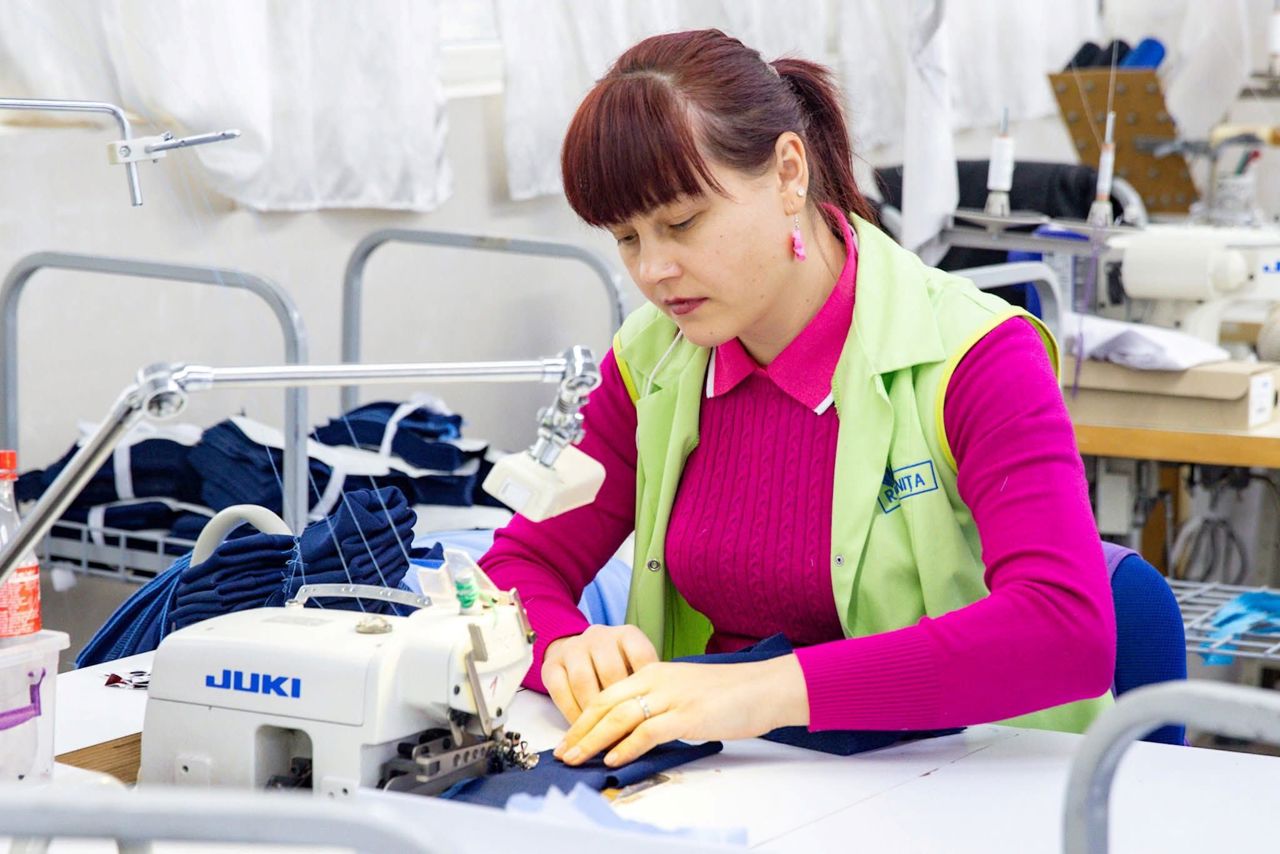
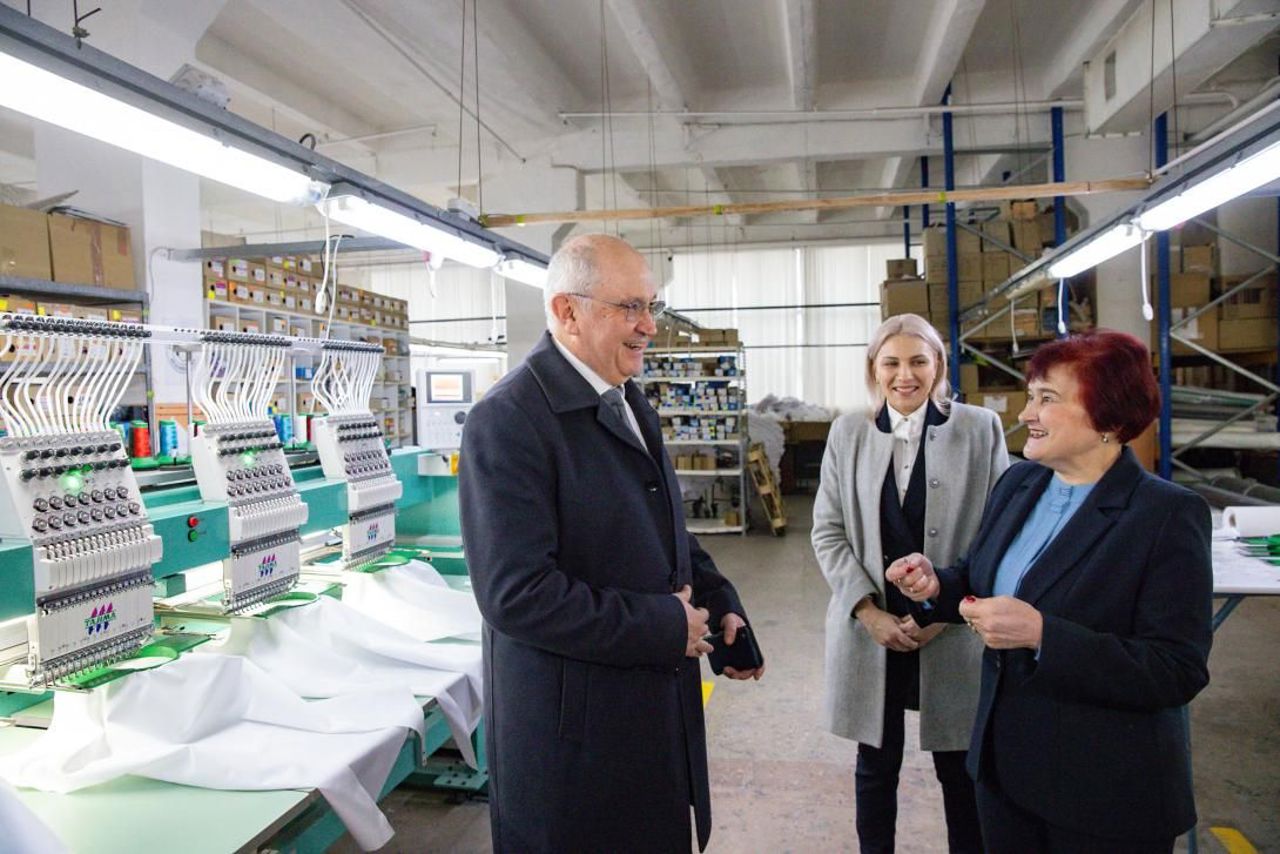
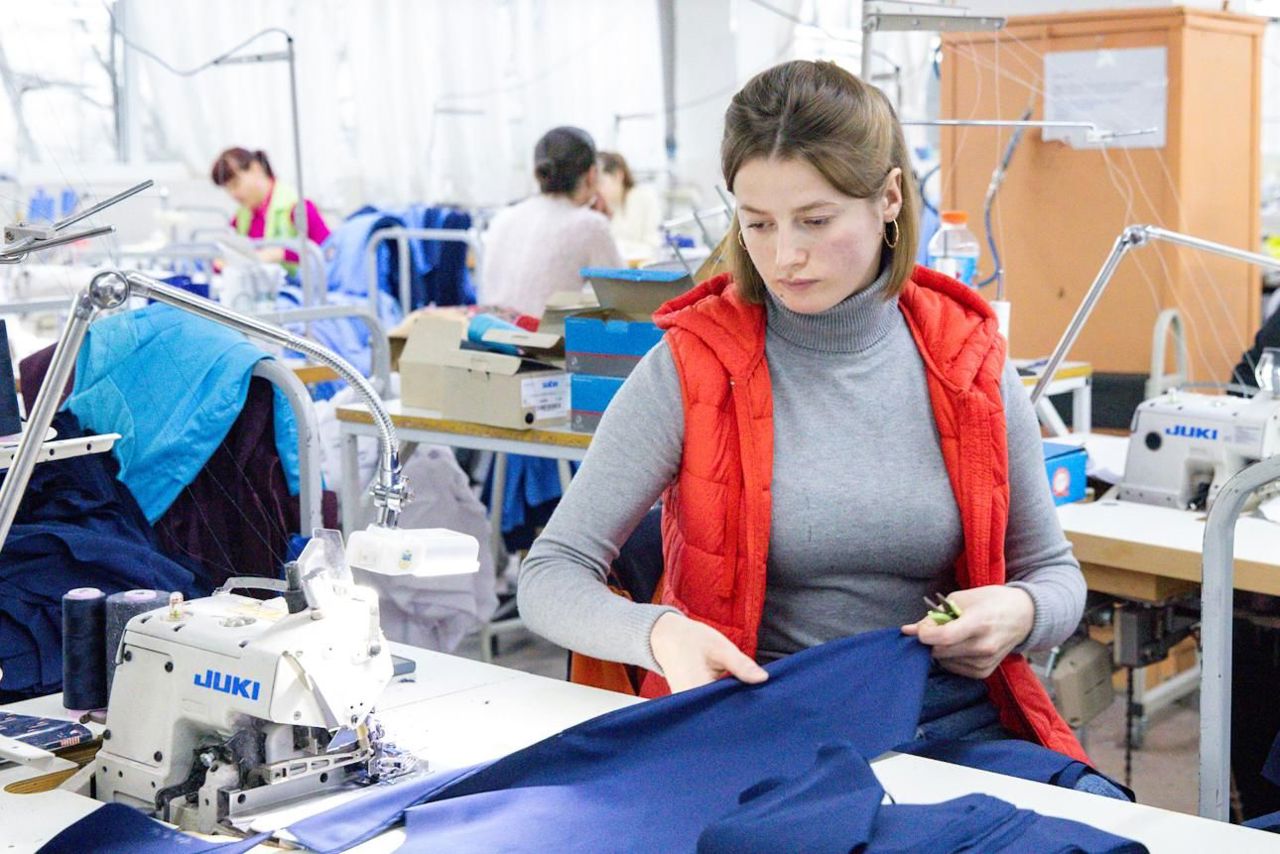
A prominent textile and footwear factory in Hîncești reports surging demand from Germany, Poland, and the Netherlands. Despite exporting 80% of its production—including specialized protective gear and embroidered apparel—the facility is struggling to maintain its production lines.
The enterprise, which once employed 300 people in 2010, now operates with just over 40 staff members. This 85% reduction in workforce reflects a systemic trend across the Moldovan industrial landscape.
Innovation meets human constraints
In 2023, the factory secured a strategic grant for technological upgrading. The investment funded a new photovoltaic park, allowing the facility to achieve energy autonomy and significant cost savings.
"We have the capacity to expand and increase volumes, but the shortage of qualified personnel is immense," says Maria Lica, the factory's director. She notes that even with dual education programs, most young specialists eventually migrate abroad.
A national strategic challenge
The government acknowledges that local talent is migrating toward better competitive opportunities. Officials state they are currently working with various ministries to create local incentives that might encourage the diaspora to return.
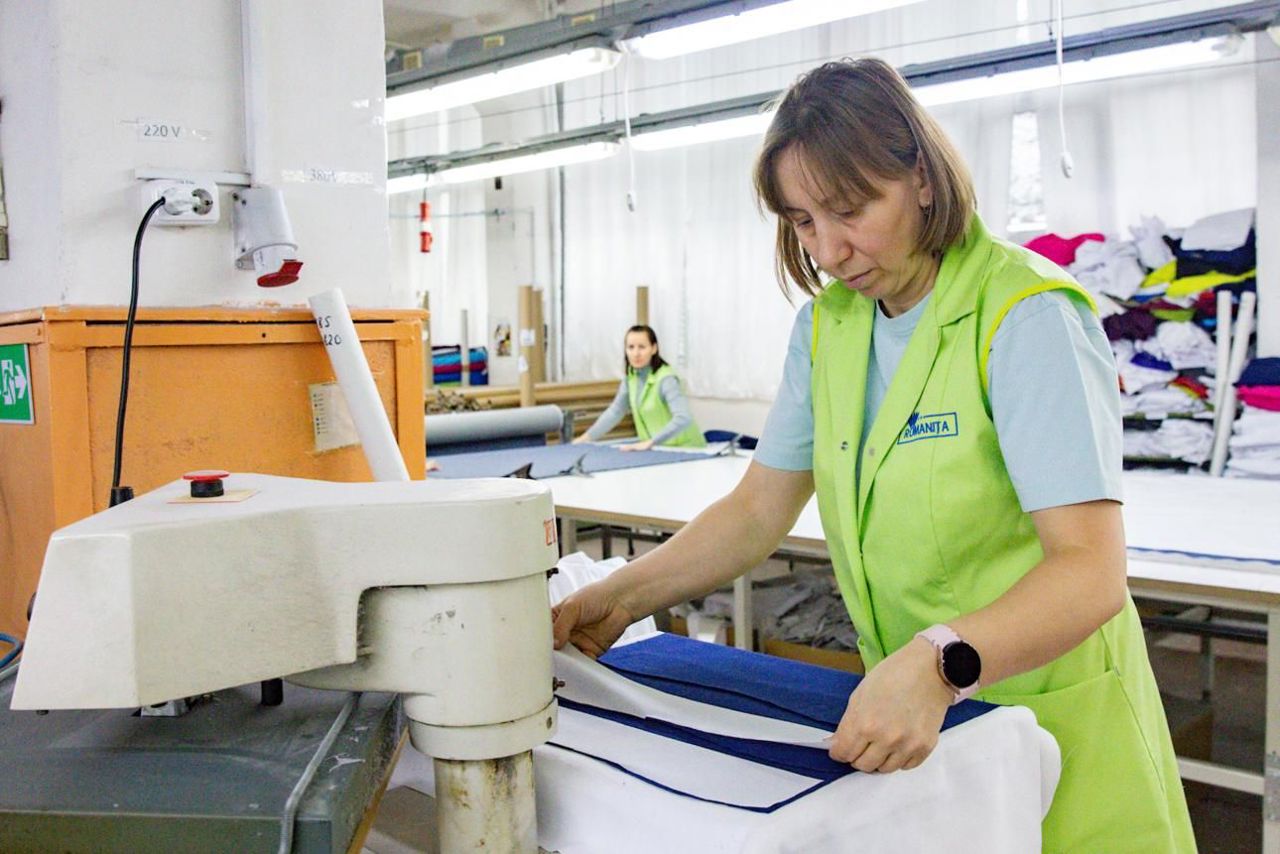
For long-term employees like Profira Fuștei, who has commuted from Logănești for a decade, the daily reality is one of resilience. While the work culture remains strong, the pressure on the remaining team continues to grow as they bridge the gap left by the missing workforce.
Translation by Iurie Tataru