Chisinau decouples EU accession from Transnistrian conflict to neutralize Russian regional influence
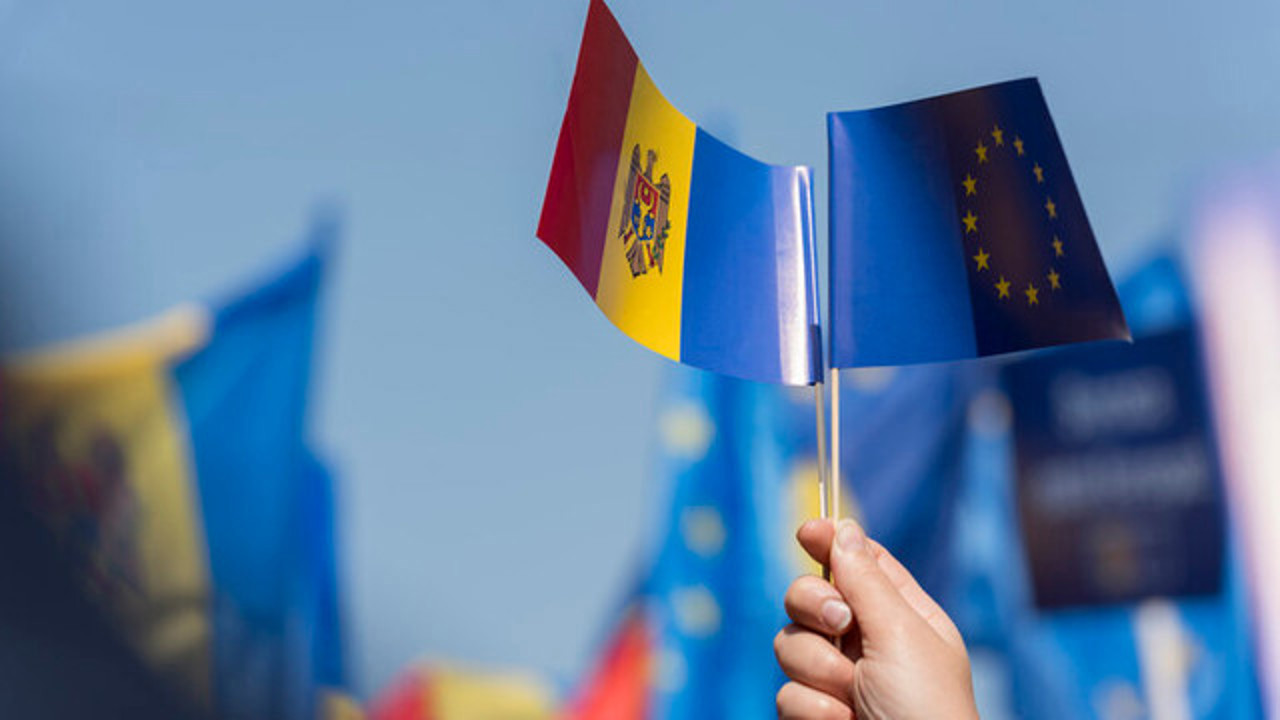
Deputy Prime Minister for Reintegration Valeriu Chiveri announced that Moldova’s EU integration and the Transnistrian settlement will proceed as distinct, parallel tracks. The strategy aims to prevent external factors from stalling the country's sovereign European path.
Speaking on TVR’s "Punctul pe Azi," Chiveri emphasized that the reintegration process is heavily influenced by the Russian military presence and regional instability. By decoupling the two processes, Moldova ensures that no "important actor" can utilize the conflict to block its EU ambitions.
"Linking these two paths would grant an external veto to those seeking to derail our European journey," Chiveri stated. He noted that while Chisinau aims for a unified state within the EU, the pace of reform cannot be held hostage by the stalemate in Tiraspol.
Economic ultimatum for Transnistria
The Deputy PM warned the Transnistrian business community that the benefits of the Deep and Comprehensive Free Trade Area (DCFTA) will expire upon EU accession. Without full reintegration, the region faces total economic isolation from Western markets.
The current "5+2" negotiation format remains officially suspended due to Russia’s war in Ukraine. In the interim, Chisinau is advocating for the current peacekeeping mechanism to be replaced by an international civilian mission under a European mandate.
Translation by Iurie Tătaru