Chisinau ties Transnistrian economic access to EU integration progress
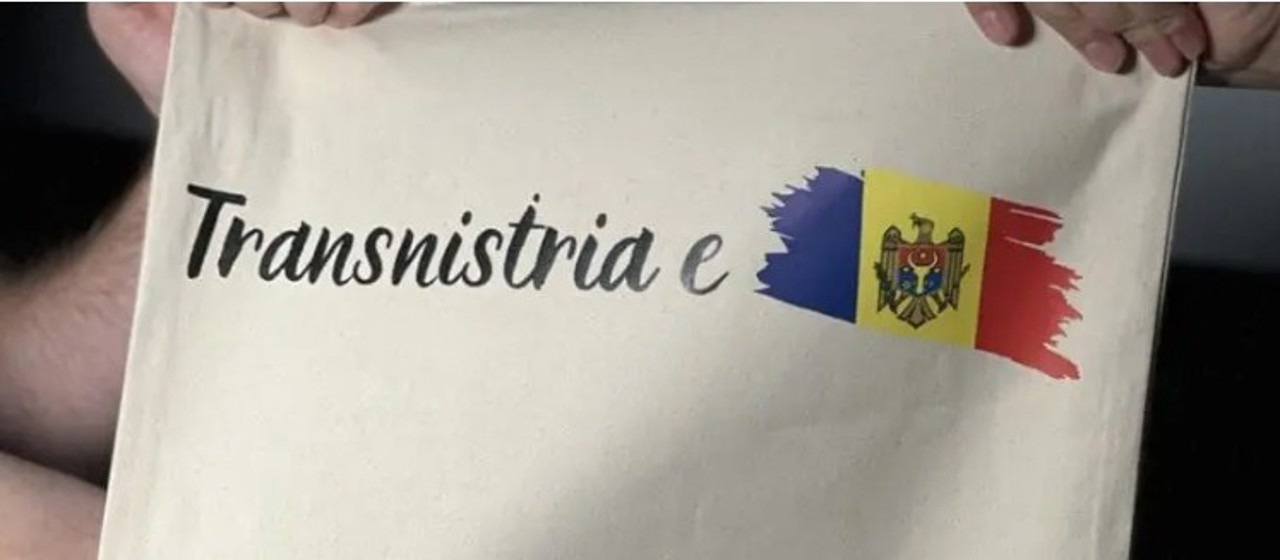
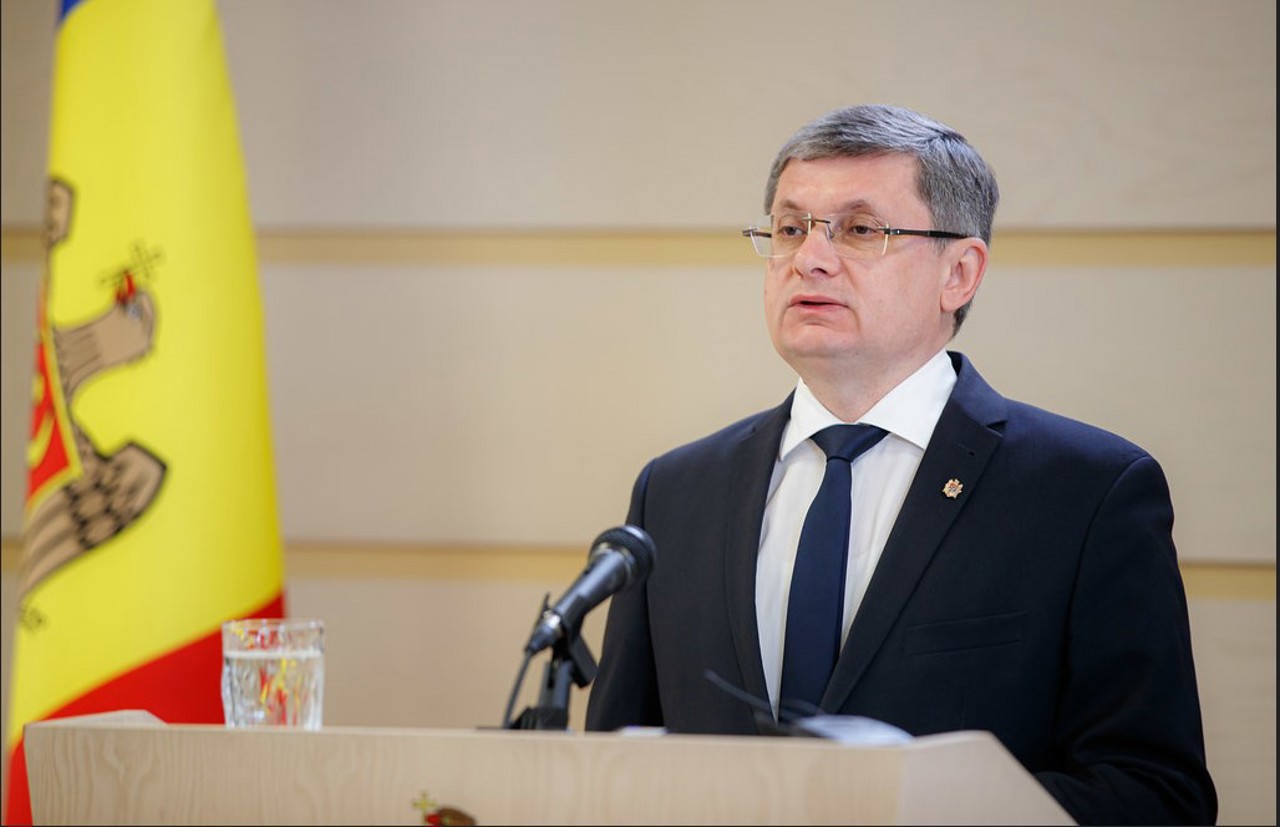
Moldova is launching a specialized "Convergence Fund" to finance infrastructure, education, and energy efficiency projects in the Transnistrian region. Parliament Speaker Igor Grosu announced the initiative on February 12.
The fund aims to bridge the socio-economic gap between the two banks of the Nistru River. It will be sustained by national resources, international partnerships, and customs duties collected from businesses operating in the breakaway region.
Strategic economic alignment
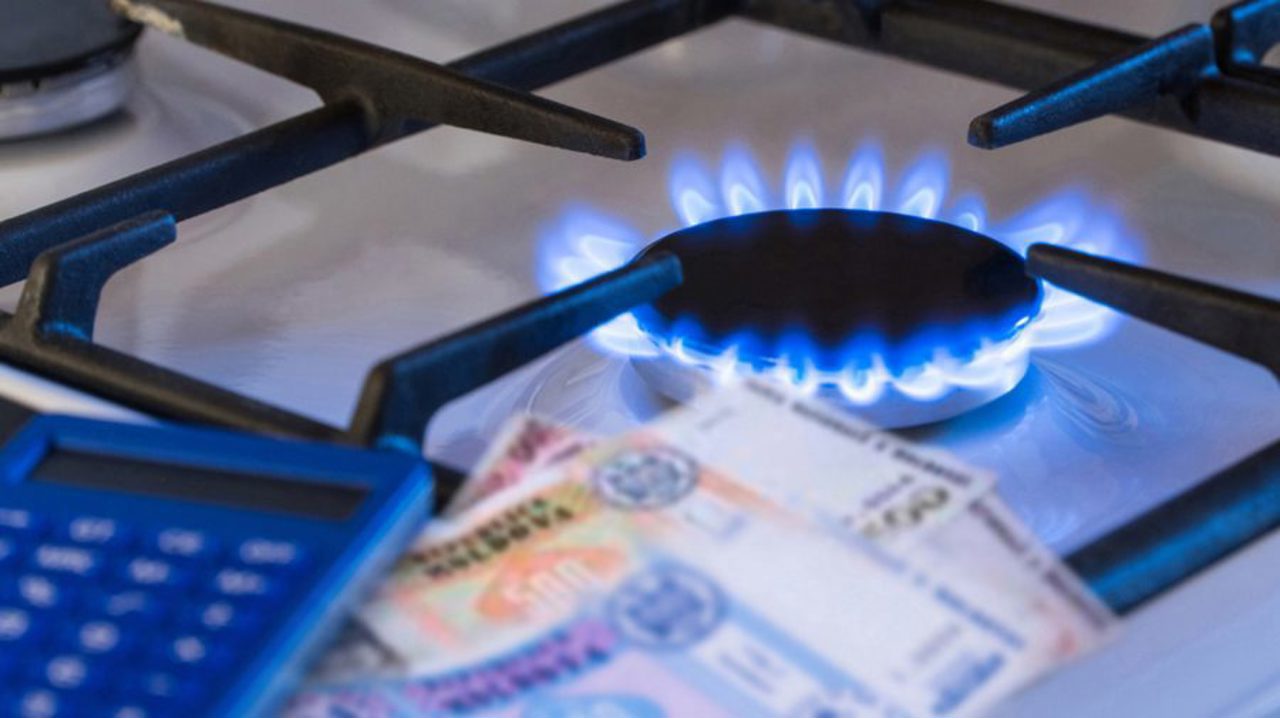
Deputy Prime Minister for Reintegration, Valeriu Chiveri, detailed that the fund includes levies on energy imports. Specifically, importers will pay roughly €0.008 (approx. 0.16 MDL)—per liter of gasoline and 0.18 MDL per liter of diesel.
"While the amounts are symbolic, they allow us to extend our legal and economic framework over the entire country," Chiveri stated. These levies have been applied to companies on the right bank since last June.
Parallel paths to EU membership
The Deputy PM emphasized that this fund is not a negotiation leverage tool against Tiraspol. Instead, it is a mechanism for gradual economic reintegration managed at the local community level.
Chiveri warned that as Moldova nears EU accession, current trade benefits like the DCFTA will expire. Without full reintegration, the Transnistrian region risks losing access to European markets entirely.
The Moldovan government intends to advance EU integration and territorial reintegration as parallel processes. The ultimate goal is for Moldova to join the European Union as a unified, integral state.
Translation by Iurie Tataru