Scholars reconstruct Chisinau’s legacy as interwar Romania’s second-largest city
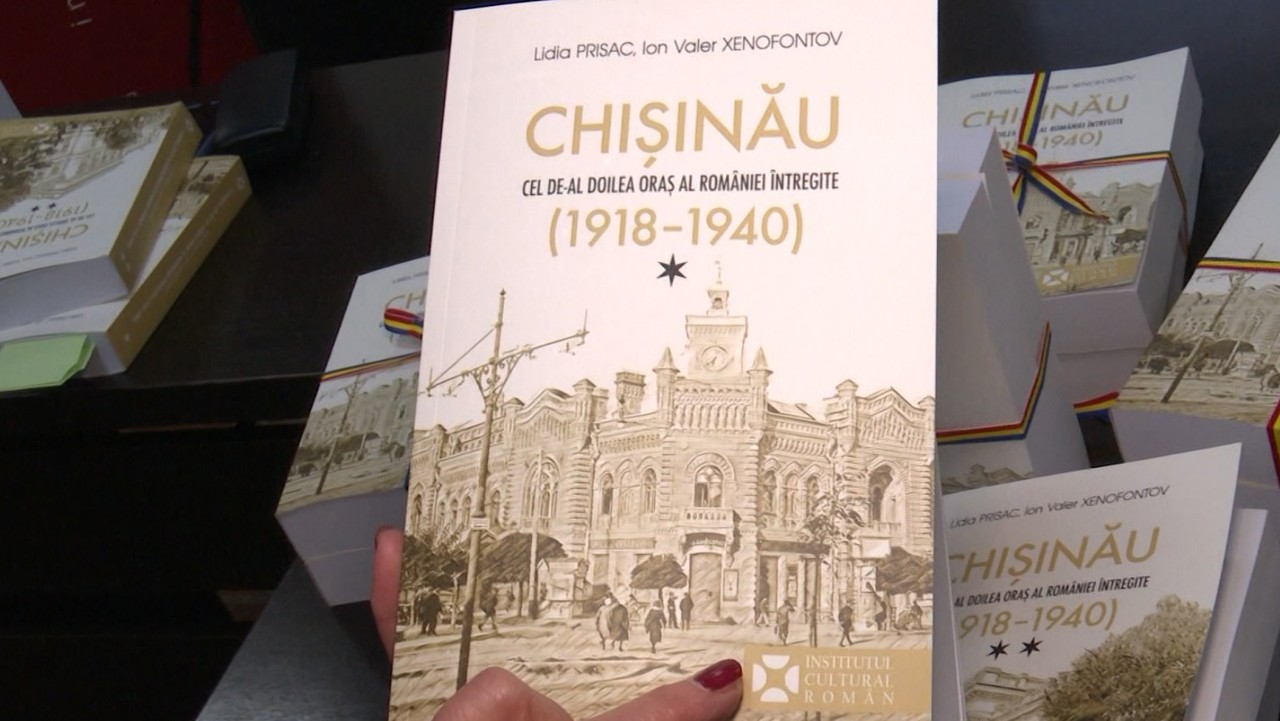
Historians Lidia Prisac and Ion Xenofontov have released a landmark two-volume encyclopedia titled "Chisinau: The Second City of Greater Romania (1918–1940)." The work meticulously reconstructs the urban landscape and daily life of the city during the interwar period. This was a pivotal era when Chisinau served as a vital cultural and economic hub within the Romanian Kingdom.
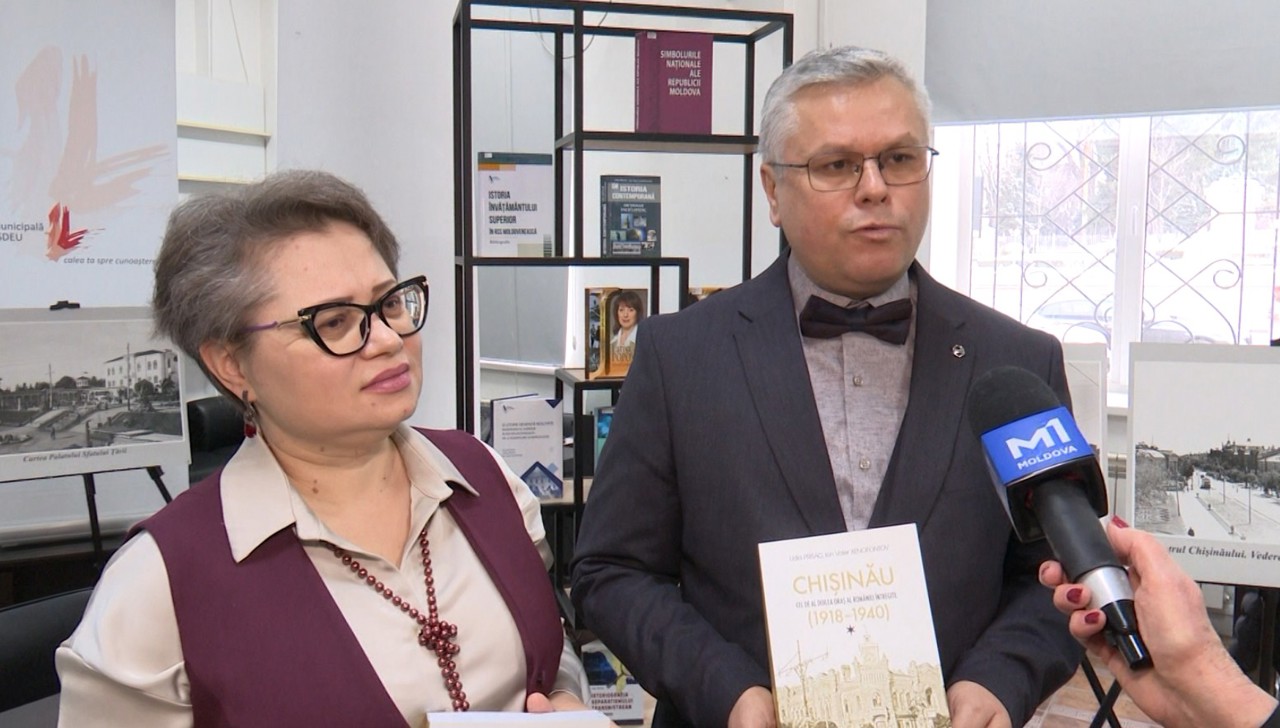
The authors spent three years conducting rigorous research across nine different archives. Their work draws from period press, memoirs, and administrative journals to provide an objective lens on Chisinau’s evolution.
Dr. Lidia Prisac noted that the research revealed a city of contrasts. While Chisinau experienced significant cultural flourishing, it also served as a sanctuary for refugees fleeing the terror and famine of the early Soviet Union.
Countering historical distortion
The study highlights the massive investments made by the Romanian state in education and infrastructure. During this period, Chisinau acted as the primary economic engine for the entire Bessarabia region.
Monica Babuc, Director of the "Mihai Eminescu" Romanian Cultural Institute in Chisinau, emphasized that this era was systematically marginalized by Soviet historiography. The new volumes aim to restore these suppressed decades to public memory.
An anniversary tribute
The launch coincides with the 590th anniversary of Chisinau’s founding. The event, hosted by the B.P. Hasdeu Municipal Library, featured an exhibition of rare images showcasing the city’s lost and preserved interwar architecture.
Published by the Romanian Cultural Institute in Bucharest, the multidisciplinary study was first introduced at the Gaudeamus Book Fair. It stands as a definitive record of Chisinau’s European identity before the geopolitical shifts of World War II.
Translation by Iurie Tataru