Stanislav Ceban studied online, graduated with honors from vocational school, and is now sought after by clients at home
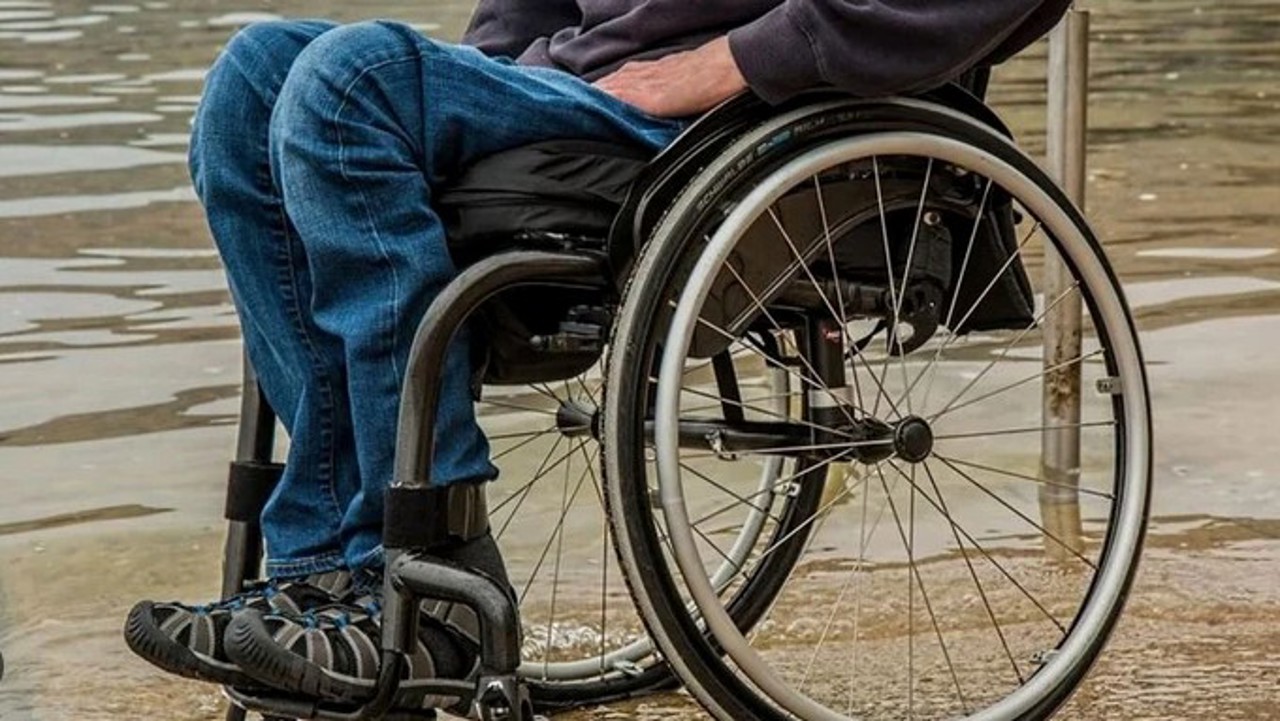
Poor accessibility continues to be a major challenge for people with disabilities. The lack of access to public buildings remains a persistent issue for those with special needs, who often depend on others.
This reality is experienced daily by Stanislav Ceban, a young man with special needs from the village of Carahasani in the Ștefan Vodă district. Despite facing numerous challenges, he has managed to make a significant impact in his life.
"I've been in a wheelchair since birth. Being very sociable, I integrated well into school. It was difficult, as our schools are not accessible and are not prepared to welcome us—right from the entrance to the restrooms and the thresholds," Stanislav shared with Radio Moldova.
Always supported by classmates
For Stanislav, the nine years of secondary school were not solely about academics but also about continually battling against an inaccessible infrastructure. Lacking functional ramps, he depended entirely on his classmates' assistance.
"My classmates constantly carried me and my wheelchair for the entire nine years of high school. The ramps were... let's say they existed, but they weren't usable," he recalled.
Although physical barriers prevented him from attending a vocational school in the capital, Stanislav refused to give up and opted for online classes instead.
"I wanted to go to vocational school but couldn't attend in person because it was far from my home, so I chose the online option," Stanislav explained.
Today, Stanislav is no longer just a recipient of social assistance; he is an active member of his community. He works from home in the field of electronic repairs and has taken steps towards the future by exploring 3D modeling and printing.
"My motivation comes from doing what I love and seeing that problems are being solved. It motivates us even more to be of use to the community, and hardships make us stronger. Now, I work in electronics and phone repairs. Recently, I've also ventured into creating with 3D printing and modeling. I work from home, and people already know about my services; I have permanent clients," the young man shared.
Stanislav: An inspiration for his parents
In recent years, Stanislav has noticed a significant change in how society views people with disabilities. Previously, their presence in public often attracted lingering stares, but now they are seen as part of everyday life.
"Society has become more open and understanding towards people with disabilities. In the past, people would stare at us on the street; now they look at us like anyone else. The looks still exist, but I simply respond with a smile," Stanislav explained.
For him, the most important goal is to achieve independence, despite ongoing infrastructure barriers.
"We lack access to buildings; we can't access the post office, stores, or hospitals. That's the biggest problem. My main desire is to be 100% independent," he emphasized.
Stanislav's father spoke on a national radio station about the family's daily efforts to support Stanislav, even amidst difficulties, including financial ones.
"We thought we might not be able to continue, but thanks to God and our son, Stanislav, we draw a lot of energy from him. He is our child, and he truly inspires us. We live on a pension of 2,000 lei per month, but his medical treatment costs 4,000 lei each month. However, we will always stand by our son, through good times and bad. We, the parents, will never leave him alone, and we are proud of his resilience and how he conquers each challenge," he stated.
In the Republic of Moldova, people with disabilities make up approximately seven percent of the population, meaning around 160,000 citizens face various forms of disability and require special support and adaptations to navigate their daily lives.
Author: Nicoleta Țarălungă, intern