Beyond the parades: Eighty-two years since the Soviet mass deportation of Chechens
One of the most profound ironies of modern history lies in a chilling chronological alignment: the full-scale invasion of Ukraine by Putin’s forces on February 24, 2022, occurred just one day after Russia’s premier military holiday.
Every year on February 23, Russia celebrates "Defender of the Fatherland Day," a tradition inherited from the Soviet era that marks the definitive founding of the Red Army. Yet, this same date also marks the anniversary of one of the 20th century’s most systematic atrocities.
The anatomy of Operation Lentil
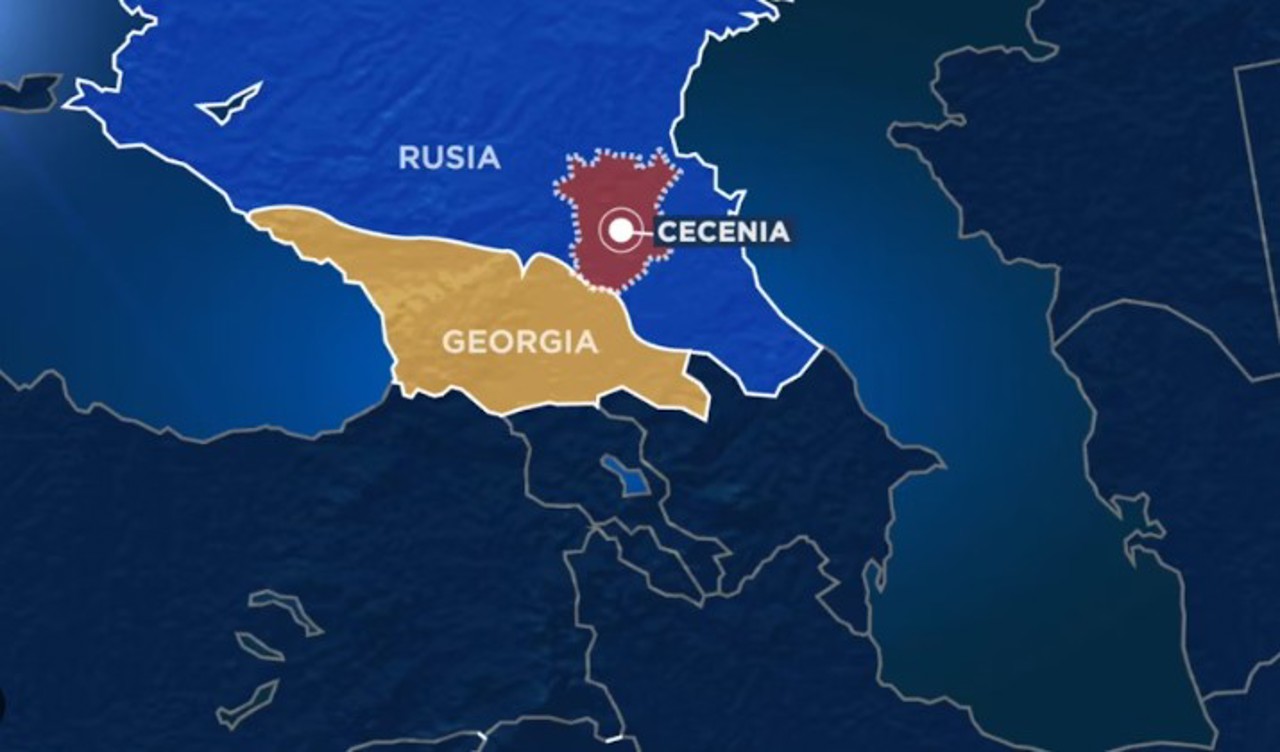
On February 23, 1944—exactly 82 years ago—Stalin’s secret police (NKVD) and vast military contingents launched a massive raid to deport the entire Chechen and Ingush populations. Codenamed "Operation Lentil" (Chechevitsa), the campaign is now recognized as an act of genocide under international law.
The operation was near-total in its execution. Within mere days, an entire nation was summarily uprooted, house by house. Those who escaped fled into the forests, with survivors only beginning their stubborn return from the Kazakh steppes after 1955.
Systemic ethnic cleansing in the Caucasus
During 1943 and 1944, Stalin utilized the Red Army not for the frontline against Nazi Germany, but to deport entire ethnic groups, including the Chechens, Ingush, Kalmyks, and Crimean Tatars. Approximately 700,000 people were forced into freight cars.
While Allied forces were liberating Western Europe from Nazi occupation, the Soviet Union was actively erasing entire populations from the map. The Kremlin justified these actions with false accusations of Nazi collaboration—a logistical impossibility, as German troops never reached the eastern Caucasus regions.
Exile, return, and political recognition
The human cost was staggering. Tens of thousands died in transit or in the harsh conditions of Kazakhstan. An entire generation of Chechens was born in exile, including future leaders such as Dzhokhar Dudayev and Aslan Maskhadov.
These men eventually rose to become high-ranking officers in the Soviet military, even as their parents and grandparents were being treated as "punished peoples." It was only in 1957, following Stalin's death, that the Chechen nation was officially "rehabilitated" and allowed to return to their ancestral lands.
In 2004, the European Parliament formally recognized the 1944 deportation of the Chechen people as an act of genocide, ensuring that the memory of Operation Lentil remains a stark reminder of the cost of imperial aggression.
Translation by Iurie Tataru