7,200 hectares will be afforested this spring. Authorities invest in modernizing nurseries
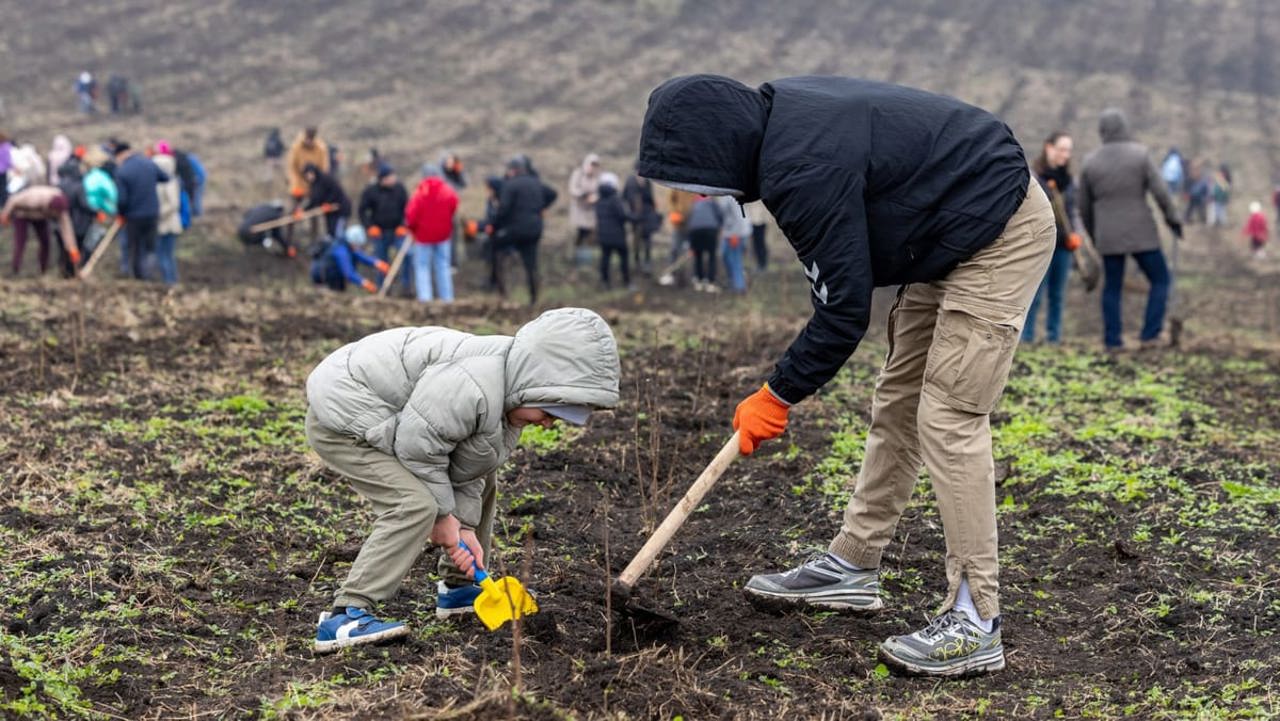
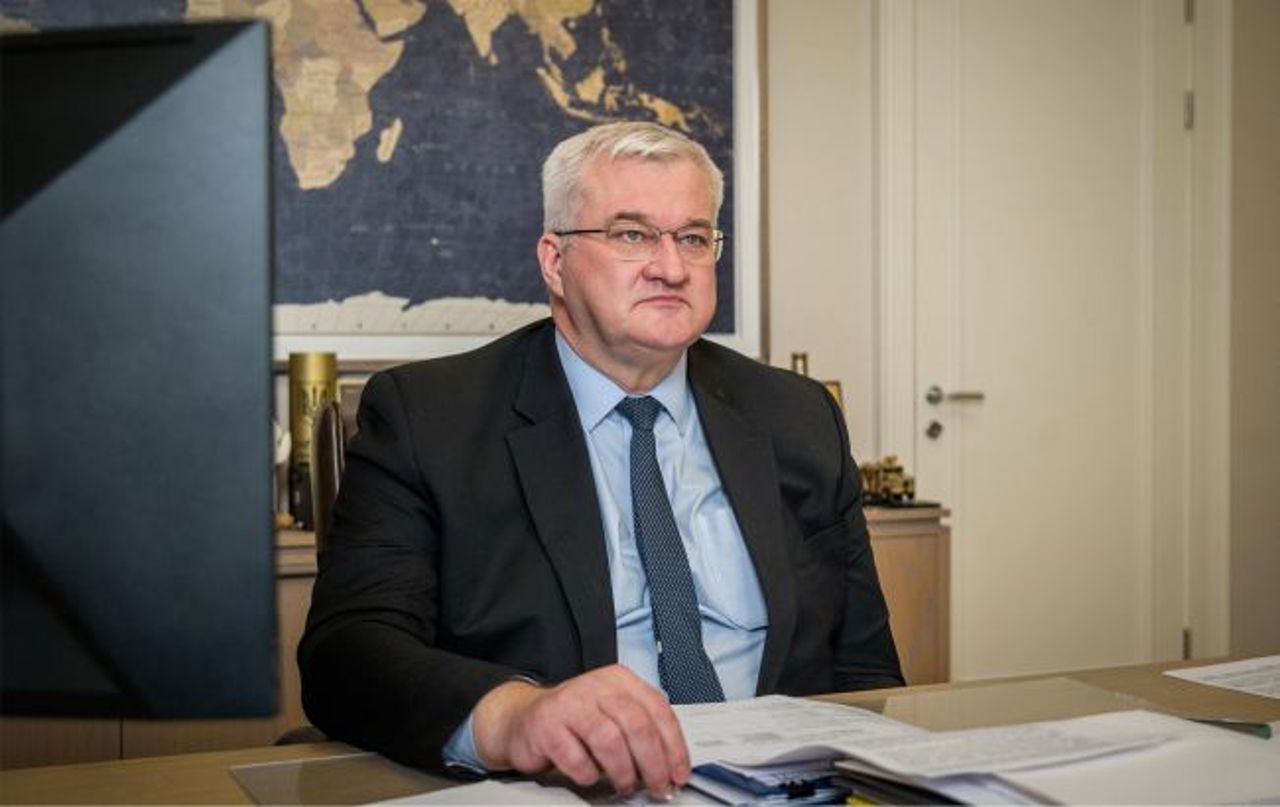
This spring, the afforestation campaign aims to cover at least 7,200 hectares across the country, utilizing approximately 32 million saplings. This announcement was made by the Minister of Environment, Gheorghe Hajder, during the "Pe faţă" show on Moldova 1. He explained that the current capacity of forest nurseries can meet the demand for planting material. However, the authorities are proposing to modernize these nurseries to enhance the quality of the saplings and, consequently, improve the success rate of the plantings.
"We have various species of seedlings, and we are well-prepared because we also grow seed materials in advance to ensure we have enough planting resources. Of course, we have a lot of work to do, and through the projects and grants we've identified from abroad, we are working to finance nurseries as quickly as possible. This will allow us to have seedlings with protected roots, which would significantly improve the success rate of seedling establishment," explained the minister.
The Ministry of Environment has identified external funding sources and grants for developing modern nurseries. Investments will be directed toward high-performance equipment, seed centers, and modern technologies for producing planting material. Additionally, the modernization of nurseries is included in the national solid waste management project, which has a component dedicated to reforming the entire forestry sector.
"It is crucial that we've already identified funding for these nurseries, so that in the coming years we can provide much higher quality planting material than we currently have. Our goal is to reform the entire sector, starting with nurseries, semiological centers, forest roads, and equipment for transporting and producing wood, in order to make access to wood much easier for people," said Hajder.
This spring, the focus will shift away from acacia, placing greater emphasis on native species that are better suited to the pedoclimatic conditions of each area, the minister stated.
"I would like to ensure we have high-quality land and ideal weather conditions for the growth of oak and other native species. Unfortunately, we must consider the realities we face and continue to strive to increase forested areas. We aim to gradually reduce the acacia forest, but this cannot happen overnight; we are exploring other solutions to help the next species withstand the test of time," the minister emphasized.
Following last fall's afforestation campaign, Hajder reported that the average survival rate of seedlings is approximately 70% at the national level. This result is considered good, especially given that the lands designated for afforestation are often degraded, rugged, or former landfill sites with low fertility.
In the last three years, around 20,000 hectares of forest have been planted in the Republic of Moldova, representing about 14% of the 145,000-hectare target set for 2032. With the modernization of nurseries and the attraction of external funding, authorities estimate that the annual afforestation rate could increase to about 14,000 hectares per year.