Hybrid warfare in Chisinau: the anatomy of a failed FSB soft power operation
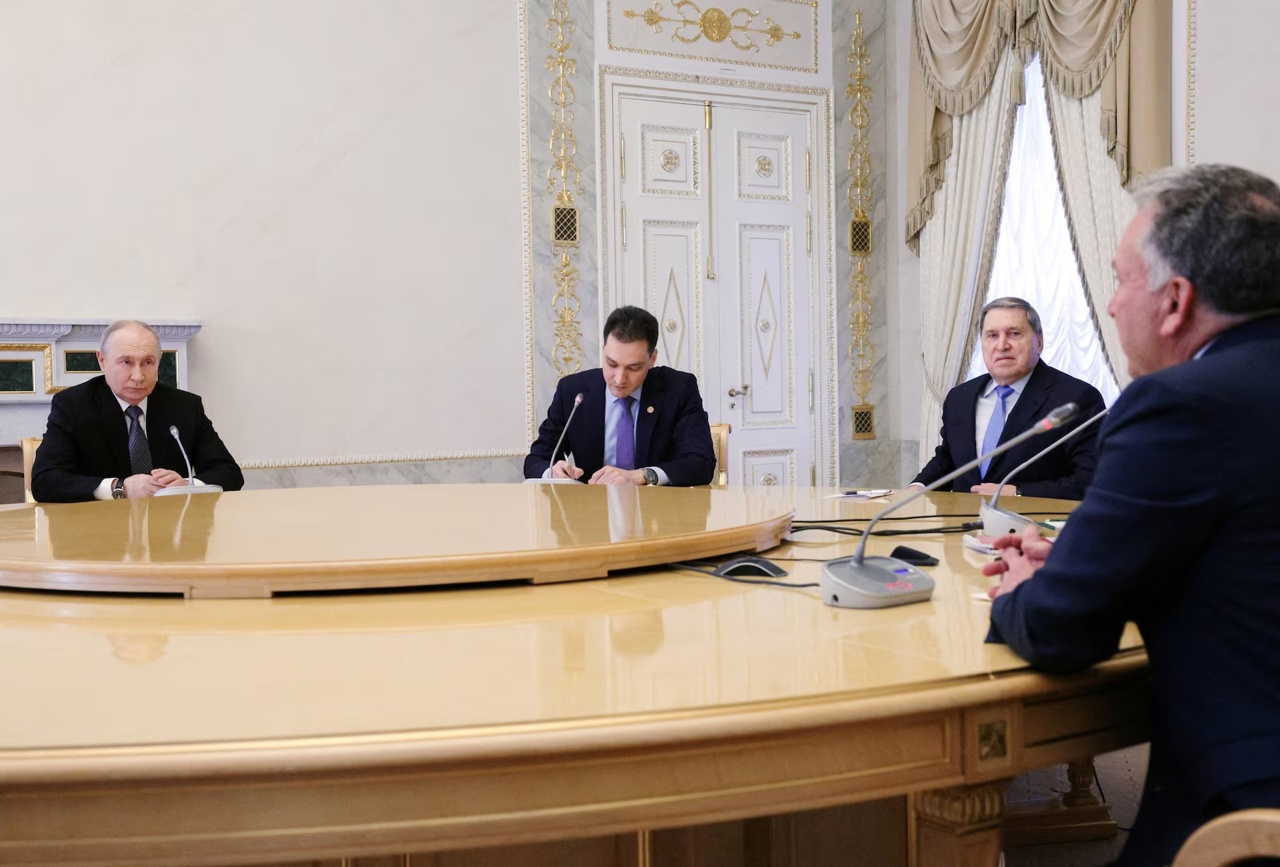
Moldovan citizens Alexandr Ciuprin and Ludmila Corsun, both holding Russian passports, have been identified as key assets in a Kremlin-backed influence operation. An investigation by Deschide.MD reveals the duo operated under the direct coordination of Vladimir Sukhinin, an officer of the Russian Federal Security Service (FSB).
The strategy focused on infiltrating political and civic circles to steer public discourse and redistribute Russian "soft power" assets. This intelligence-led effort aimed to secure positions near decision-making centers within the Moldovan state.
The anatomy of the assets
In Russia, Alexandr Ciuprin has managed an industrial testing equipment company since 2020 and is an active member of Vladimir Putin’s "United Russia" party. Meanwhile, Ludmila Corsun leads a Russian-based Moldovan cultural organization reportedly controlled by Grigore Caramalac, an underworld kingpin known as "Bulgaru."
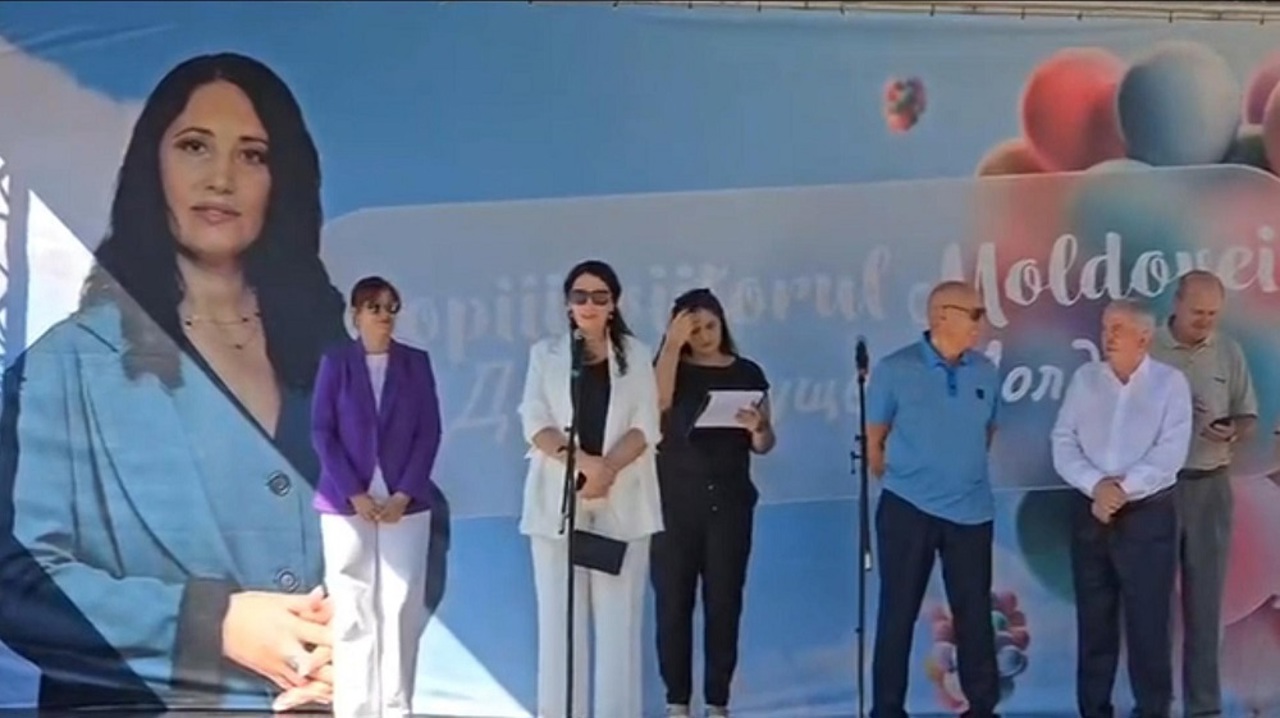
Corsun returned to Moldova in the summer of 2024 with the intent to run for the presidency. However, the Central Electoral Commission (CEC) rejected her candidacy on August 24 because she failed to meet the mandatory Romanian language proficiency requirements.
Post-election shifts and political captures
Following her failed presidential bid, the FSB redirected the duo toward different sectors. On July 29, 2025, Ciuprin was appointed Vice President of the Centrist Union of Moldova (UCM). Reports from "Merisor-Leaks" suggest the fugitive Ilan Shor’s criminal group had planned to acquire the UCM earlier that year.
Corsun was moved to the civic and religious sectors. She initiated partnerships with the "Ador Orașul Meu" organization, led by Serghei Mișin—a former presidential advisor to Igor Dodon with documented links to the Sor group. One such project involved providing legal support to the Metropolis of Moldova in its ongoing jurisdictional disputes with the Metropolis of Bessarabia.
Intelligence reporting and long-term objectives
Evidence shows Ciuprin maintained constant communication with FSB handler Vladimir Sukhinin, providing regular updates on Moldova’s political and social landscape. In return, the FSB issued specific operational directives to guide their local activities.
The primary objective was not merely intelligence gathering, but the long-term construction of networks capable of shifting Moldova’s geopolitical orientation. Currently, Corsun has left the country, and Ciuprin remains unreachable via official channels.
Translation by Iurie Tataru