Structural reforms and generational shifts: the state of Moldova’s teaching corps
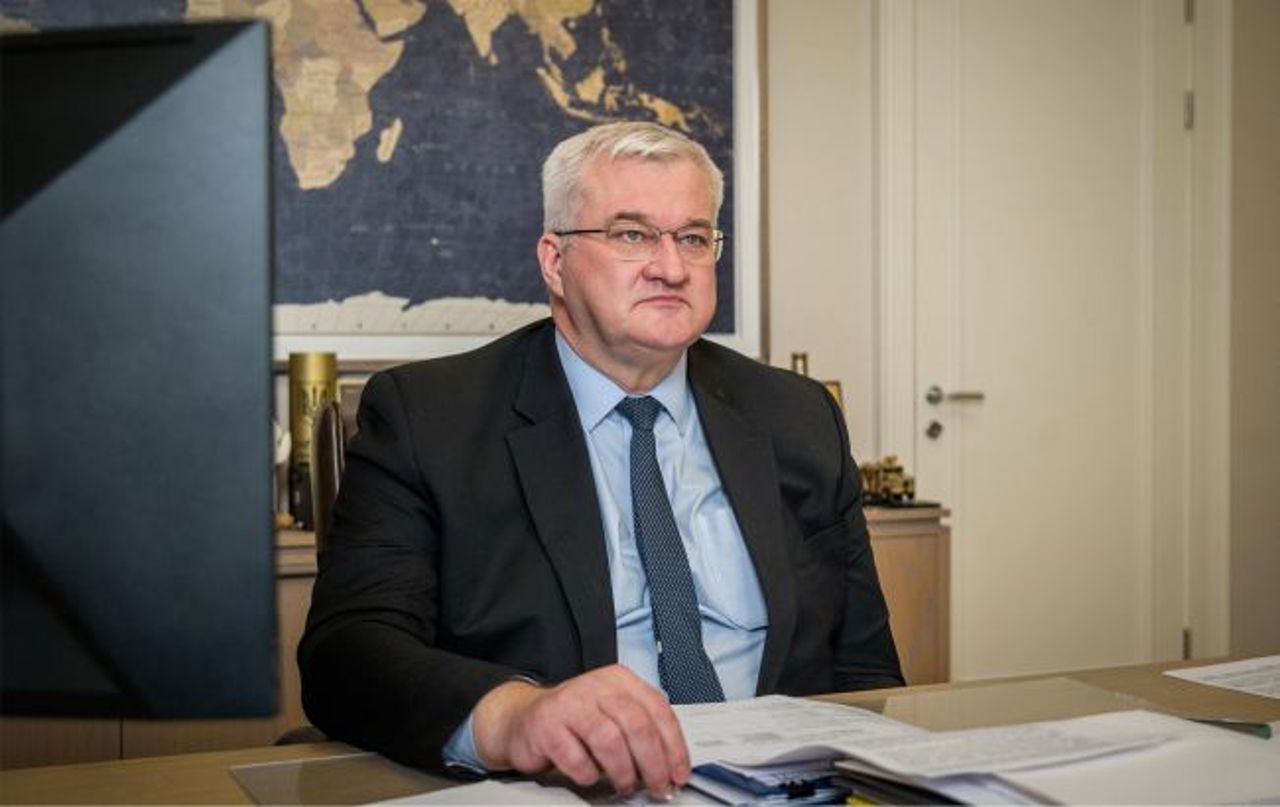
The Moldovan education system continues to face a significant labor gap, with approximately 1,300 teaching positions currently vacant. Minister of Education and Research, Dan Perciun, highlighted the issue on Friday, noting that while the situation has improved, systemic challenges remain.
Data from the 2025-2026 academic year shows that the deficit has decreased from 2,000 vacancies recorded three years ago. This improvement is attributed to a record number of university and college graduates choosing to enter the workforce in schools and kindergartens this year.
The impact of school network distribution
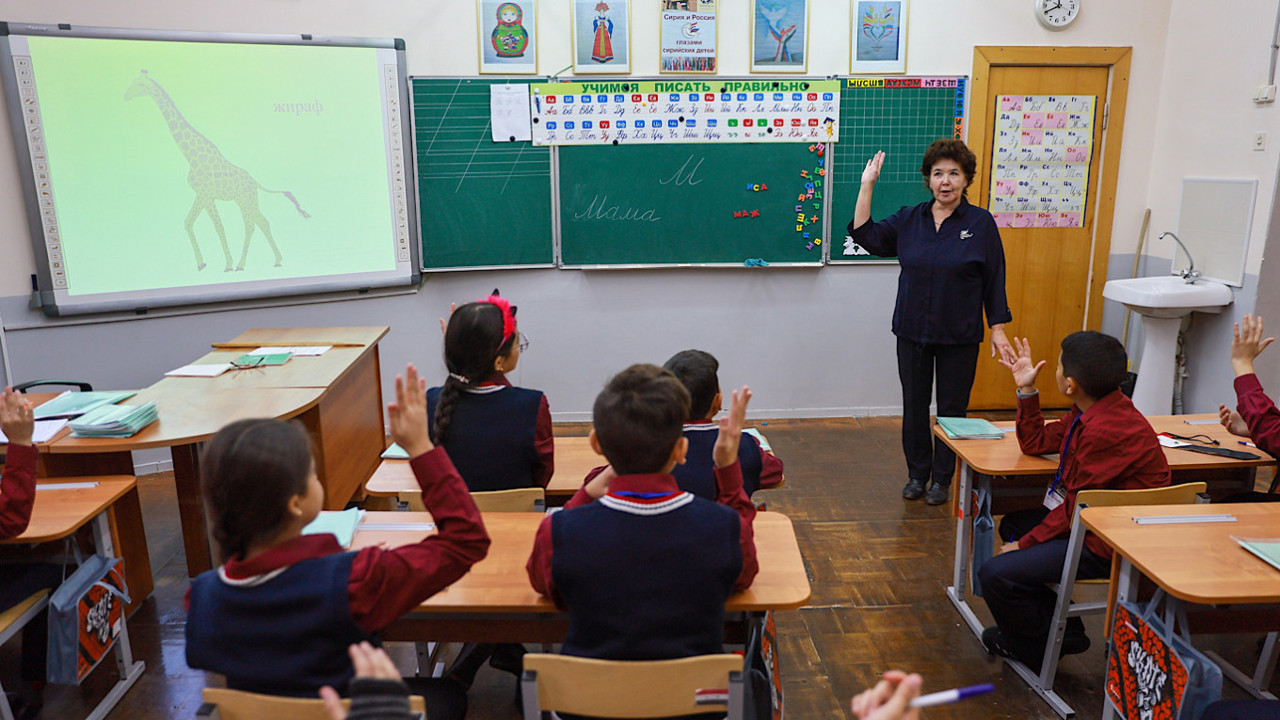
Despite the influx of young professionals, the Minister explained that the shortage is exacerbated by the current organization of the school network. Many rural localities operate small-enrollment schools that still require specialized teachers for subjects like Physics, Chemistry, and Biology.
This fragmentation creates a disproportionate demand for staff relative to the total number of students. Currently, over 30,000 educators are active across 1,183 general education institutions nationwide.
A system reliant on working retirees
The demographic shift within the workforce presents a long-term risk. Approximately 25% of active teachers are already of retirement age, and another 25% are expected to retire within the next decade.
Minister Perciun emphasized that the system currently relies on the dedication of retirement-age staff. "We must be deeply grateful to the teachers who continue to serve after retirement; if they decided to leave tomorrow, the system would face a collapse," Perciun stated.
The Ministry maintains that age should not be a criterion for discrimination, noting that veteran teachers often provide essential stability while younger staff undergo professional formation.
Translation by Iurie Tataru