Tehran blocks world's premier oil transit point in retaliatory escalation
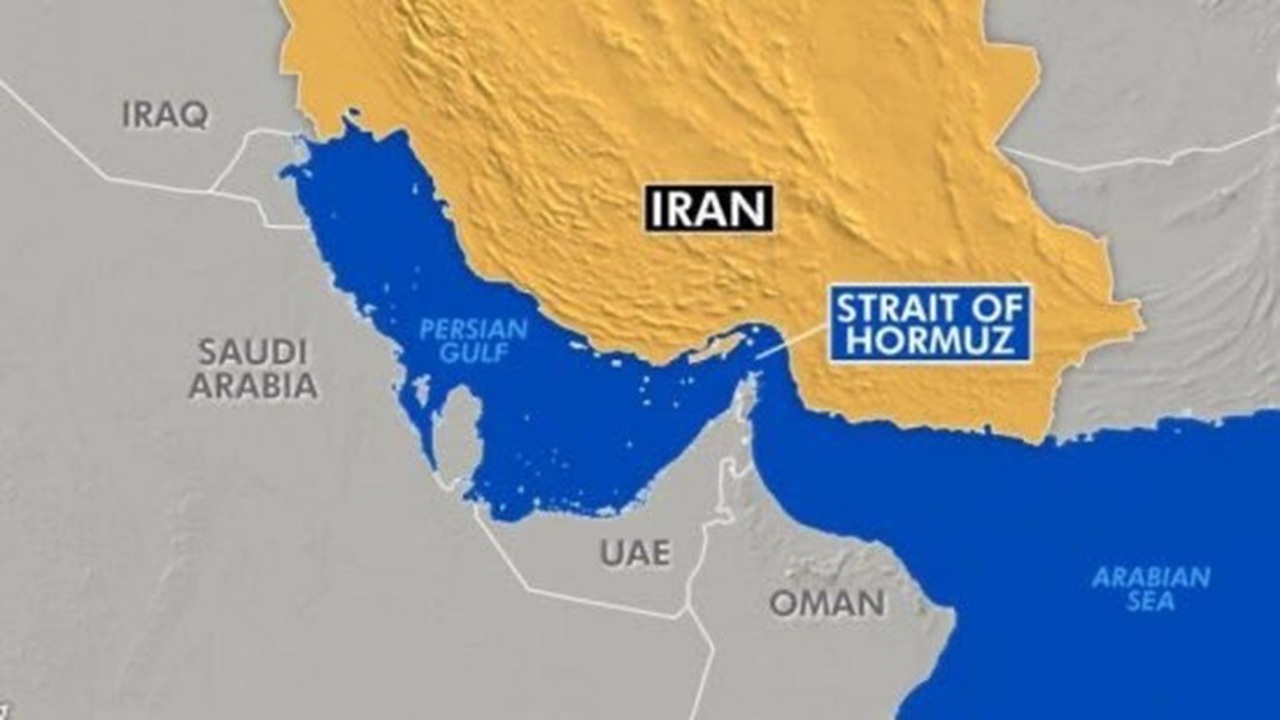
The Iranian Revolutionary Guard Corps (IRGC) announced on Monday the closure of the Strait of Hormuz, declaring that any vessel attempting to transit the waterway would be targeted.
The move follows the death of Supreme Leader Ayatollah Ali Khamenei in a recent Israeli strike. Senior advisor Ebrahim Jabari warned that IRGC and naval forces are prepared to "incinerate" any ships defying the blockade.
Strategic impact on energy markets
The Strait of Hormuz is the world's most critical oil transit point, situated between Oman and Iran. A total blockade could freeze 20% of global oil supplies, triggering a massive surge in crude prices.
At its narrowest point, the strait is only 33 km (21 miles) wide. The shipping lanes are restricted to just 3 km (2 miles) in each direction, making the passage highly vulnerable to military intervention.
Supply chain vulnerabilities
According to Vortexa data, over 20 million barrels of crude, condensate, and fuels passed through the strait daily last year. This route is vital for OPEC members including Saudi Arabia, the UAE, and Iraq.
Beyond oil, Qatar—a leading exporter of liquefied natural gas—transports nearly all its LNG through this passage. The primary destination for these energy flows remains the Asian market, followed by Europe and the United States.
Translation by Iurie Tataru