Kremlin intensifies academic crackdown by blacklisting UC Berkeley and Nobel-linked scientists
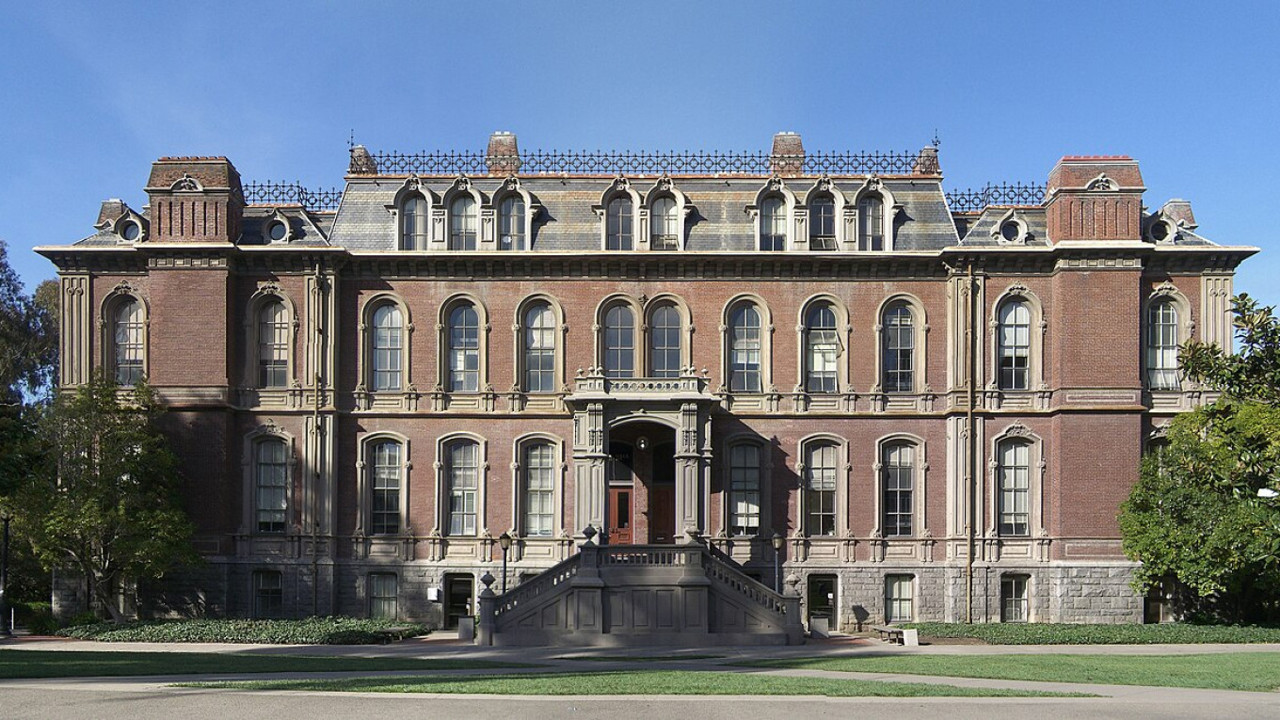
The Russian Ministry of Justice updated its registry on March 2, officially labeling the University of California, Berkeley as an "undesirable" organization. The Prosecutor General’s Office initially granted this status on February 16, though the Kremlin has withheld any specific legal justification for the move.
Founded in 1868, UC Berkeley is a global academic powerhouse, currently ranked sixth in the U.S. News & World Report and ninth by Times Higher Education. The institution is associated with 117 Nobel laureates, including physicist John Clark, who received the 2025 Nobel Prize for breakthroughs in quantum mechanics.
The blacklist also targeted the Russian-American Science Association (RASA). Founded in 2010 in Brooklyn, RASA actively supports researchers forced to flee Russia following the 2022 invasion of Ukraine.
This decision follows similar measures against Yale University and George Washington University. Russian authorities previously accused Yale of "undermining the territorial integrity" and "sabotaging the economic stability" of the state. Notably, Yale is the alma mater of both the late opposition leader Alexei Navalny and Russia’s Central Bank Governor, Elvira Nabiullina.
The "undesirable" designation effectively bans all operations within the Russian Federation. Russian citizens or legal entities participating in these organizations now face criminal prosecution, with potential prison sentences of up to four years.
In a related move to isolate citizens from international standards, Russia recently designated the British Council as undesirable. This action has effectively suspended the IELTS English language examinations, a critical requirement for Russians seeking to study or work abroad.
Translation by Iurie Tataru