Moldova recycles just 5% of waste; national separate collection planned
The Republic of Moldova is set to implement a separate waste collection system, with the initial infrastructure projects scheduled to begin in several regions of the country in 2026. This system will become mandatory starting in 2028. Authorities stated that this initiative is essential for aligning with European Union standards.
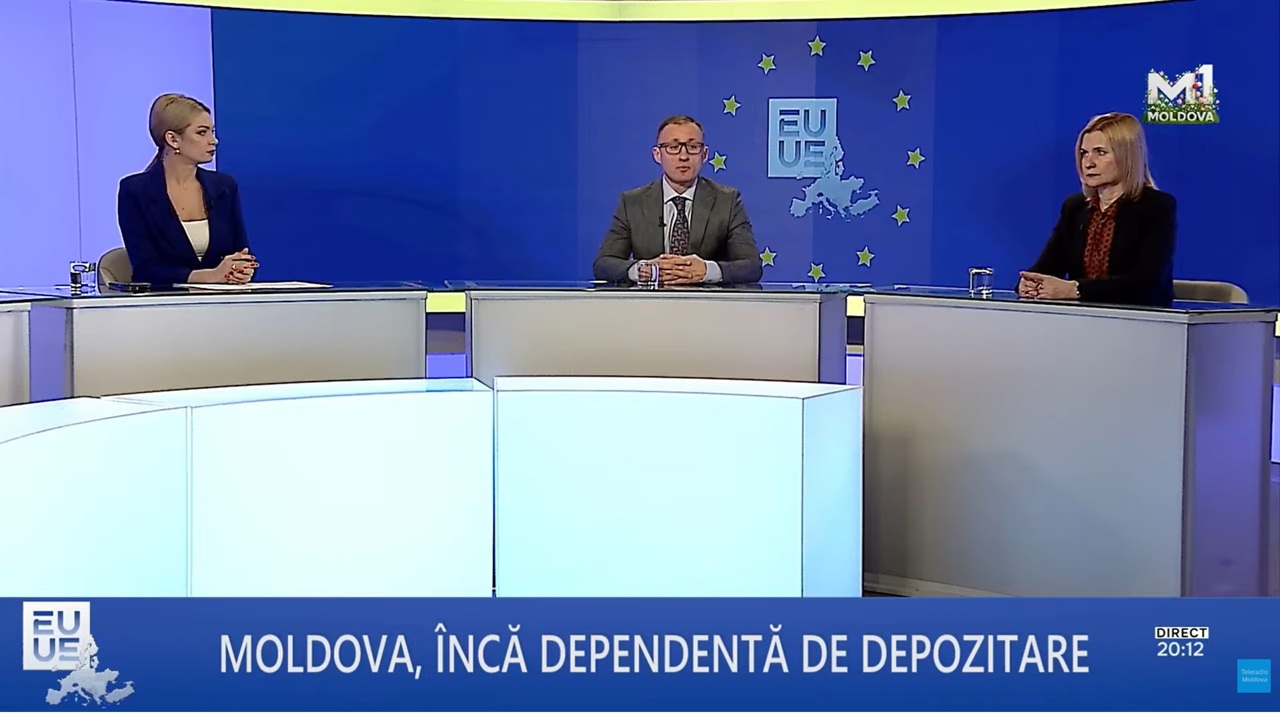
The State Secretary of the Ministry of Environment, Grigore Stratulat, announced during the "Me and the European Union" program on Moldova 1 TV that the authorities have begun developing the regulatory framework necessary for implementing separate waste collection following the adoption of the law on public sanitation services in 2025. The initial system will involve collecting waste in three categories: recyclable waste, glass waste, and mixed waste.
Stratulat stated that, alongside developing legislation, the authorities are also preparing the necessary infrastructure for waste management.
“In 2026, we will launch design and construction works in Region V, which includes the Ungheni, Nisporeni, and Călărași districts. In 2026 and 2027, we will continue to cover Region VIII, including Briceni, Edineț, Ocnița, and Dondușeni. We will also proceed in Region I, in the south of the Republic of Moldova, specifically in the Cahul districts, and during 2026, we will lay the foundations for the other three regions. Thus, the Moldova solid waste project will become a national initiative,” emphasized Grigore Stratulat.
However, the authorities acknowledge that the current recycling rate in the Republic of Moldova is quite low. According to data presented during the program, less than 5% of recyclable waste is being recovered, with the majority ending up in landfills.
Environmental policy expert Ina Coșeru highlighted that reforms in waste management are crucial for Moldova's European path, as environmental standards represent an important aspect of the country’s accession process to the European Union.
“Implementing environmental policies is challenging and costly, but since the Republic of Moldova has already attained candidate country status for the European Union, all chapters, including environmental ones, are significant. Our products will not gain access to the European Union market unless they meet these standards, which also include clean water, as well as waste collection and recycling,” declared Ina Coșeru during the show.
Additionally, authorities are considering introducing or adjusting the tax on waste disposal, which would discourage dumping waste in landfills and stimulate recycling. The State Secretary of the Ministry of Environment noted that while this tax is already part of the legislation, it may be revised in the future to promote waste recovery.
Official data indicates that in 2024, over 650,000 tons of mixed municipal waste were collected, illustrating that the sorting system is still in its early stages. Authorities assert that investments in waste management infrastructure will continue in the coming years to gradually reduce the amount of waste sent to landfills and to increase the recycling rate.