“No demand, no supply”: inspectors appeal to save snowdrops
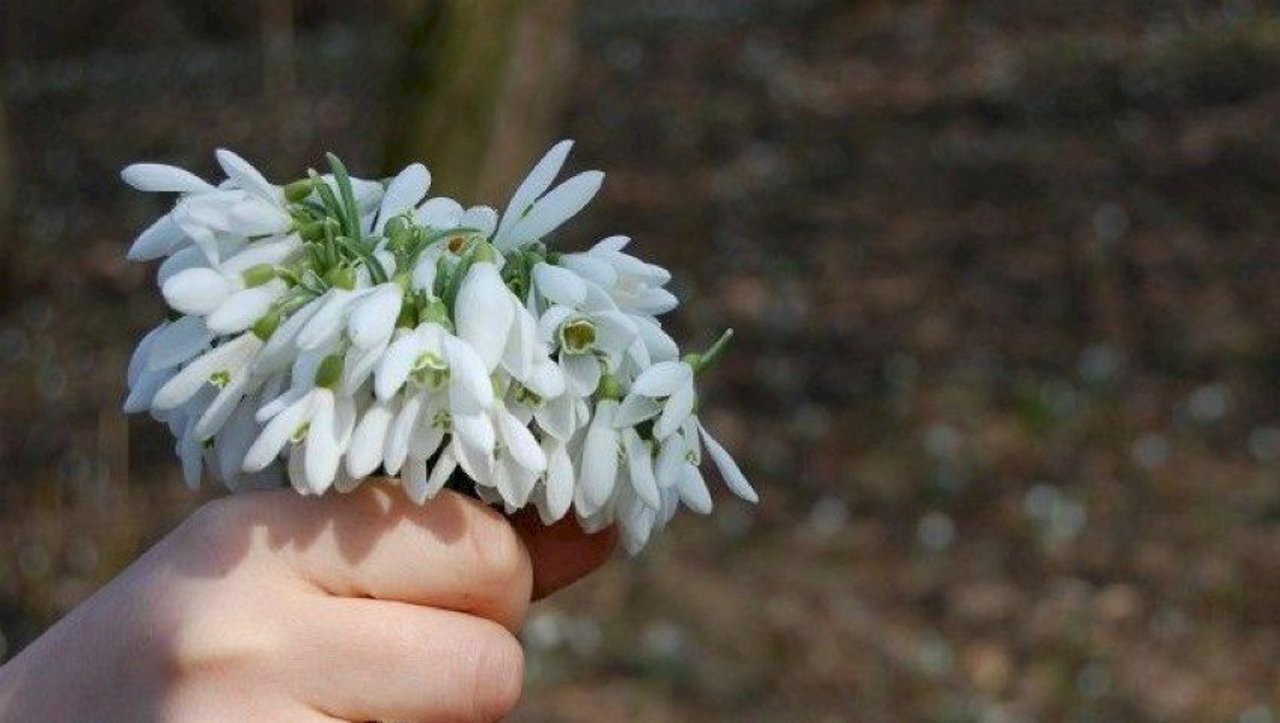
The Environmental Protection Inspectorate advises the public not to buy snowdrops from street or roadside vendors to help prevent the destruction of these plants.
According to the institution, snowdrops are among the first flowers to bloom after winter. They are not only a symbol of spring but also play an important role in the ecosystem by helping to maintain forest biodiversity and providing early-season food for pollinating insects.
Environmental inspectors warn that when snowdrops are collected along with their bulbs, the plants lose their ability to regenerate. As a result, year after year, areas that once featured beautiful white carpets of snowdrops are becoming increasingly barren.
In the Orhei Forests, which used to be abundant with these flowers, there are now almost no clearings that showcase snowdrops. Inspectors explain that the presence of snowdrops, particularly along the Chișinău–Soroca national route (km 37–39), may be due to flowers being transported from other localities or sold from private gardens.
They discourage the trade of snowdrops and remind the public that purchasing these flowers indirectly contributes to their destruction. "Where there is no demand, there is no supply. As long as the collection and sale of snowdrops are encouraged, this problem will persist," reports the Inspectorate for Environmental Protection.
Snowdrops, scientifically known as Galanthus nivalis, are listed in the latest edition of the Red Book of the Republic of Moldova, published in 2015. According to the publication, snowdrops are both decorative and medicinal plants. They reproduce through seeds and bulbs, bloom at the end of March, and, during milder winters, can even bloom in January or February.
In optimal conditions, approximately 20 flowers can grow per square meter, and in some areas, they can create stunning, sprawling carpets in spring.
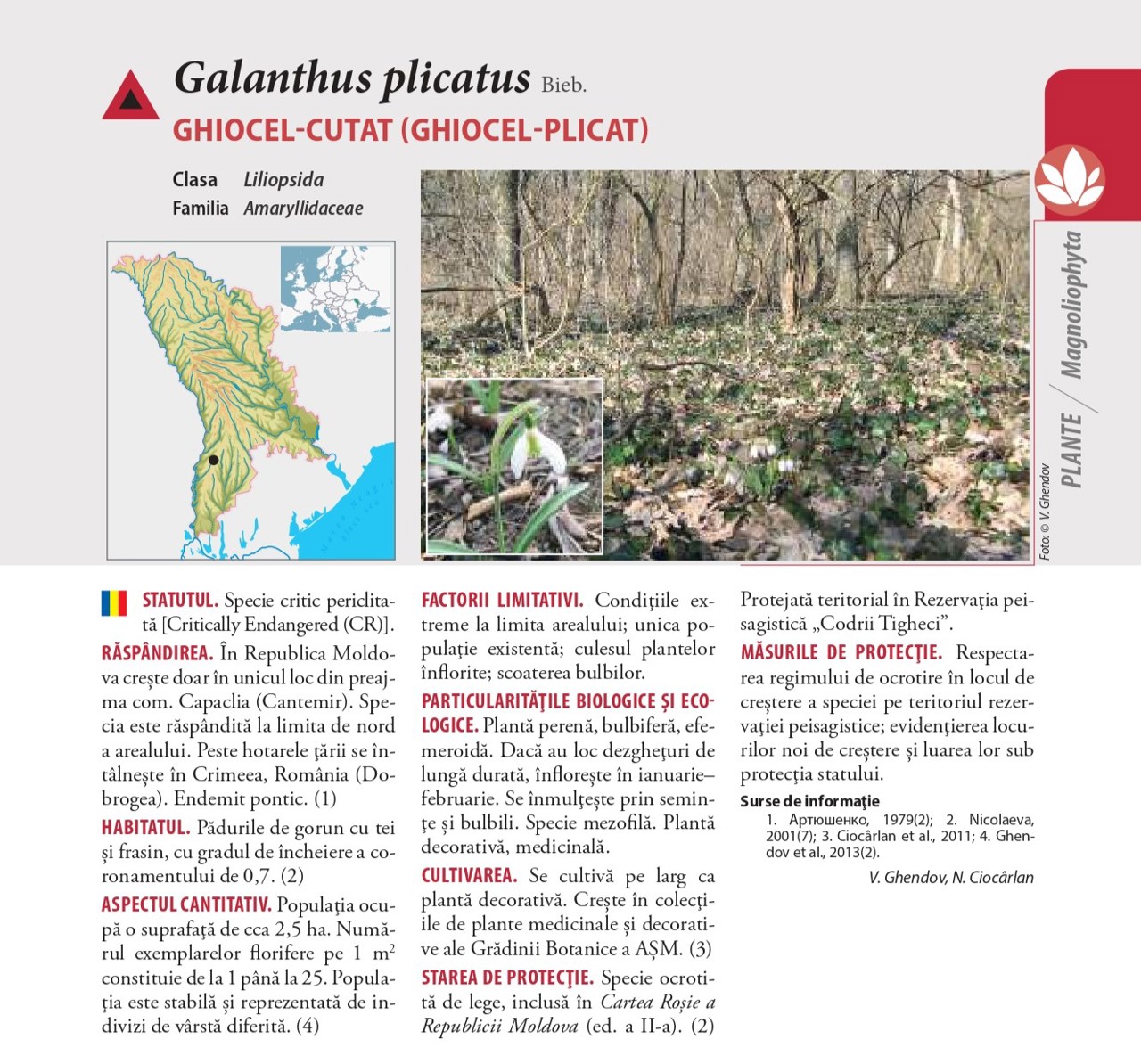
The Contravention Code imposes fines of 50 to 100 conventional units for the collection and destruction of protected plants, amounting to between 2,500 and 5,000 lei.