Use of MIA instant payments grows; transactions double on day two
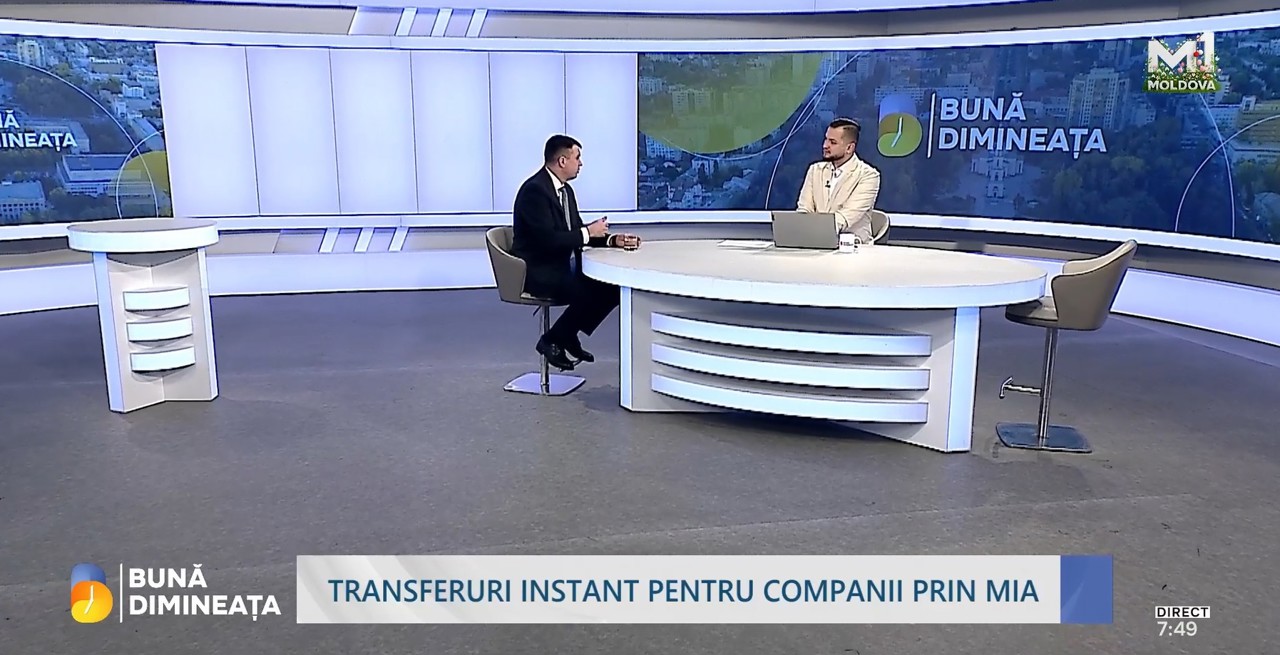
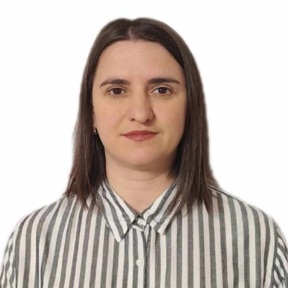
The number of companies utilizing MIA Instant Payments, launched on March 2, is increasing daily. On the first day, 90 payments were processed, and on the second day, that number nearly doubled. The National Bank of Moldova (BNM) anticipates further progress this weekend, according to Petru Rotaru, the first deputy governor of the BNM, who spoke on the "Bună dimineața" show on Moldova 1 TV.
"The stereotype has been that payments could only be made during the five working days and that transactions were not allowed outside of working hours, such as on Saturdays, Sundays, and holidays. However, the National Bank of Moldova (NBM) has introduced new regulations that eliminate these restrictions, allowing every legal entity to make payments at any time, whether on a working day or a non-working day. This change significantly benefits those managing financial resources. Now, businesses can access their funds in a matter of seconds, enabling them to utilize these resources more quickly in the economic circuit, which accelerates capital flow," said Petru Rotaru during an interview on public television.
The maximum transaction limit for the MIA Instant Payments system is currently 500,000 lei. Banks must adapt their information systems and comply with all security requirements, which include measures to combat terrorist financing and strict authentication criteria.
The transaction fee is currently set at 0.7%, but it cannot exceed 40 lei, according to the first deputy governor of the NBM.
"We understand that as the volume of these transactions increases, we will need to be very careful in reviewing these fees to ensure they are as close as possible to the actual costs and benefits," added Petru Rotaru.
The first deputy governor of the NBM noted that the decision to implement the MIA system for businesses was driven by discussions and requests from entrepreneurs.
"We enjoy a strong partnership with the Association of Banks and the business community and strive to meet their expectations. It's important to remember that as we accelerate our process of joining the European Union, we are adopting and implementing EU best practices. Instant payment methods for legal entities are already available in the EU, so we decided it was appropriate to offer this service before our EU membership to ensure that the business environment has access to quality services and new financial solutions," explained Petru Rotaru.
He also announced upcoming features for the MIA instant payment system.
"For individuals, we are preparing a contactless NFC payment option using mobile phones, which will not require scanning a QR code; the payment process will take just one second. This functionality is intended to improve interactions between individuals and legal entities. Additionally, we plan to enhance the acceptance of Person-to-Business (P2B) payments, allowing customers to pay at terminals using MIA by scanning a QR code. This feature is scheduled for implementation in 2026. Furthermore, we are collaborating with the Ministry of Finance to prepare for Person-to-Government (P2G) payments, which will facilitate financial transactions from individuals to state institutions. This means that if a business wishes to pay a tax on a Saturday or Sunday, they will be able to do so," stated Petru Rotaru.
Starting March 2, 2026, companies in the Republic of Moldova will be able to make instant transfers between legal entities (Business-to-Business – B2B) using the MIA Instant Payments system, with a maximum fee of 40 lei per transaction.
The MIA Instant Payments platform was launched on March 12, 2024, and has quickly gained popularity, with half of all citizens with bank accounts using it.
This expansion into the B2B segment enhances the existing portfolio of services, which already includes transfers between individuals (P2P), business-to-business payments (P2B), and payments to public services (P2G).
With this modernization phase, the Republic of Moldova aims to align its payment infrastructure with European standards, fostering a transparent, digital, and inclusive financial ecosystem.