Maia Sandu: Constitution won’t be changed for a third presidential term. "I can contribute from other positions too"
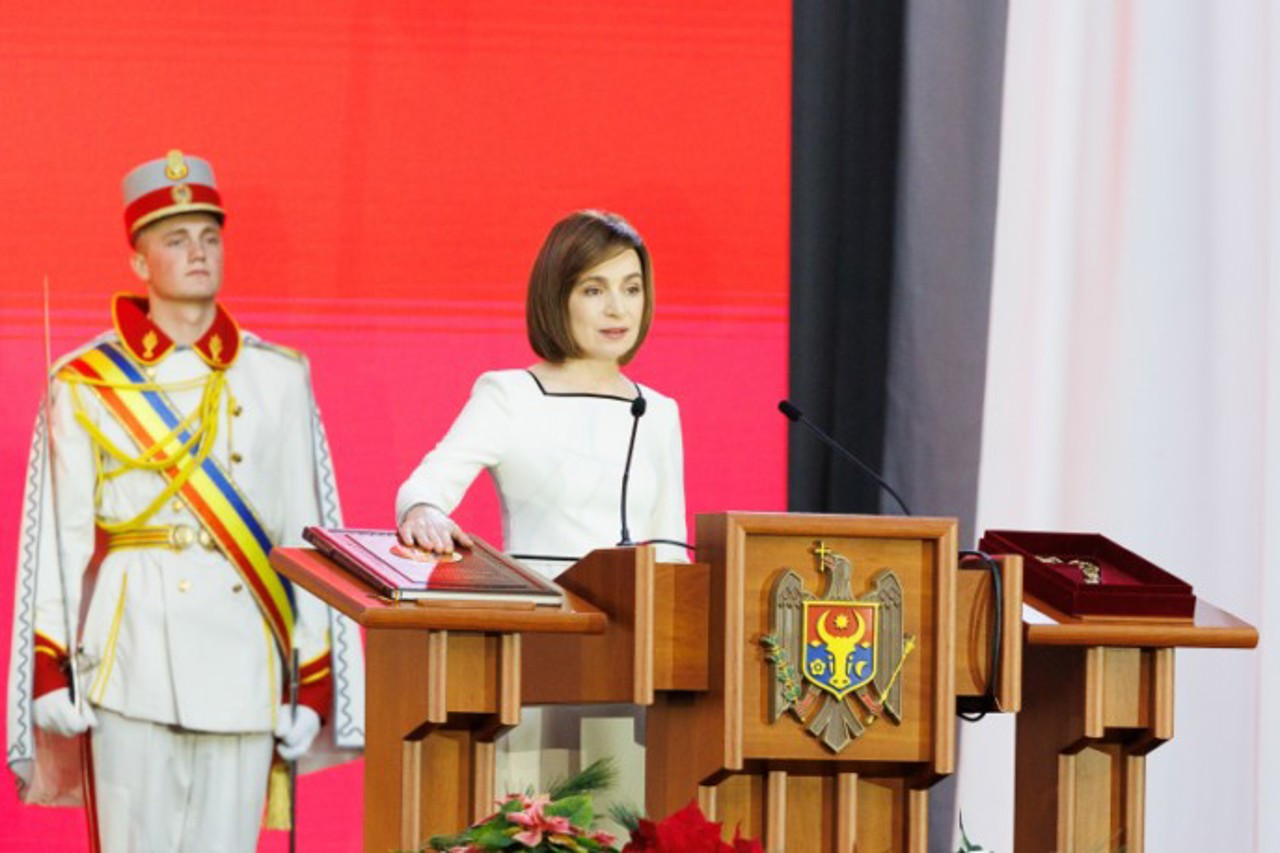
The Constitution of the Republic of Moldova currently restricts individuals to serving a maximum of two presidential terms. President Maia Sandu has confirmed that there will be no amendments to this rule that would allow her to run for a third term. She won her second term as president in the fall of 2024.
"I am not running. I respect the Constitution. It is important that the presidential term is limited by the Constitution, and I hope we will continue to uphold our democracy," declared the head of state on Jurnal TV.
Maia Sandu stated that she can contribute to the development of the Republic of Moldova from other positions as well.
"I can help advance this country through different roles or jobs," she emphasized.
The president urged citizens who are advocating for changes to the legislation—whether motivated by good intentions or not—to desist, as "these actions are harmful to our society and undermine trust in the Constitution."
It is noteworthy that Maia Sandu was inaugurated as President of the Republic of Moldova on December 24, 2020, after winning the presidential election on November 15, 2020.
On December 24, 2024, she was sworn in for her second term as head of state, having won the second round of the presidential elections on November 3, becoming the first president to be re-elected by direct popular vote.
According to the Constitution of the Republic of Moldova, the presidential term is four years, and a person may serve a maximum of two terms.
Over the past two decades, several countries have amended their constitutions to allow presidents to remain in power for more than two terms or even indefinitely. Notable examples include China (2018), Russia with the 2020 amendments allowing Vladimir Putin to return to the presidency, as well as several African nations like Cameroon and Latin American countries such as Venezuela. These changes have often sparked controversies regarding the consolidation of executive power.