Oil prices surge toward $100 amid Middle East escalation and maritime disruption
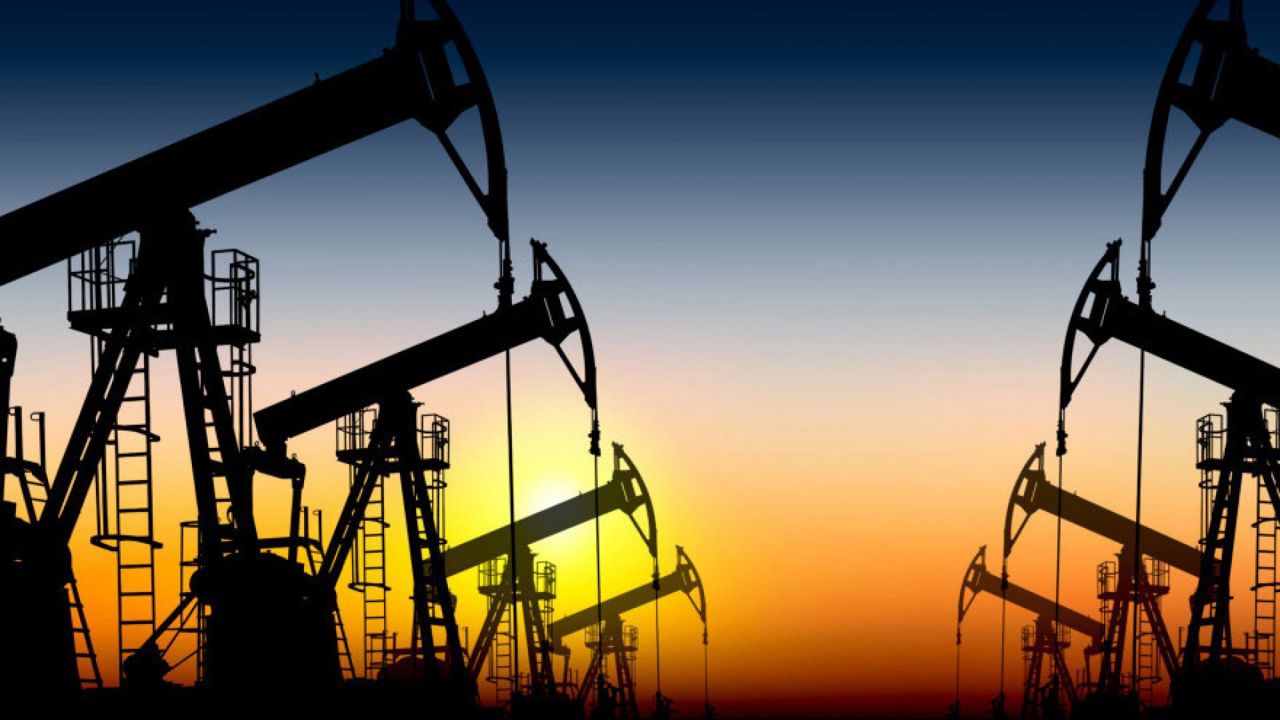
Brent crude oil prices reached $90 per barrel for the first time in nearly two years. The surge follows a wave of disruptions in energy markets triggered by escalating conflict in the Middle East.
Iran has restricted maritime transport through the Strait of Hormuz, a critical choke point for global energy trade. The move comes in retaliation for recent regional airstrikes, according to Bloomberg and Agerpres reports.
Market volatility intensifies
On the ICE Futures exchange, Brent North Sea crude climbed 7.6%. Meanwhile, West Texas Intermediate (WTI) surpassed $85 per barrel on the New York Mercantile Exchange, its highest level since April 2024.
The Joint Maritime Information Center reported a "near-total cessation" of commercial traffic through the Strait. Security threats, insurance constraints, and operational uncertainty have effectively halted the flow of 20 million barrels of oil daily.
Global policy response
Goldman Sachs analysts warned that prices could exceed $100 per barrel if disruptions persist. Qatar’s Energy Minister told the Financial Times that $150 per barrel is possible within weeks if tankers remain blocked.
In the United States, Interior Secretary Doug Burgum confirmed the administration is exploring all options to lower prices. Gasoline has already reached $3.32 per gallon, the highest mark since early 2024.
Coordinated emergency measures
Washington may release oil from emergency reserves in coordination with international partners. Simultaneously, China has instructed major refineries to suspend gasoline and diesel exports to prioritize domestic supply.
While eight core OPEC+ members agreed to increase daily production, the physical blockade remains a hurdle. Analysts fear prolonged high prices will reignite global inflation and act as a direct tax on consumers.
Translation by Iurie Tataru