European Commission intervenes following Zelenskyy's veiled military threats to Hungary’s Orban
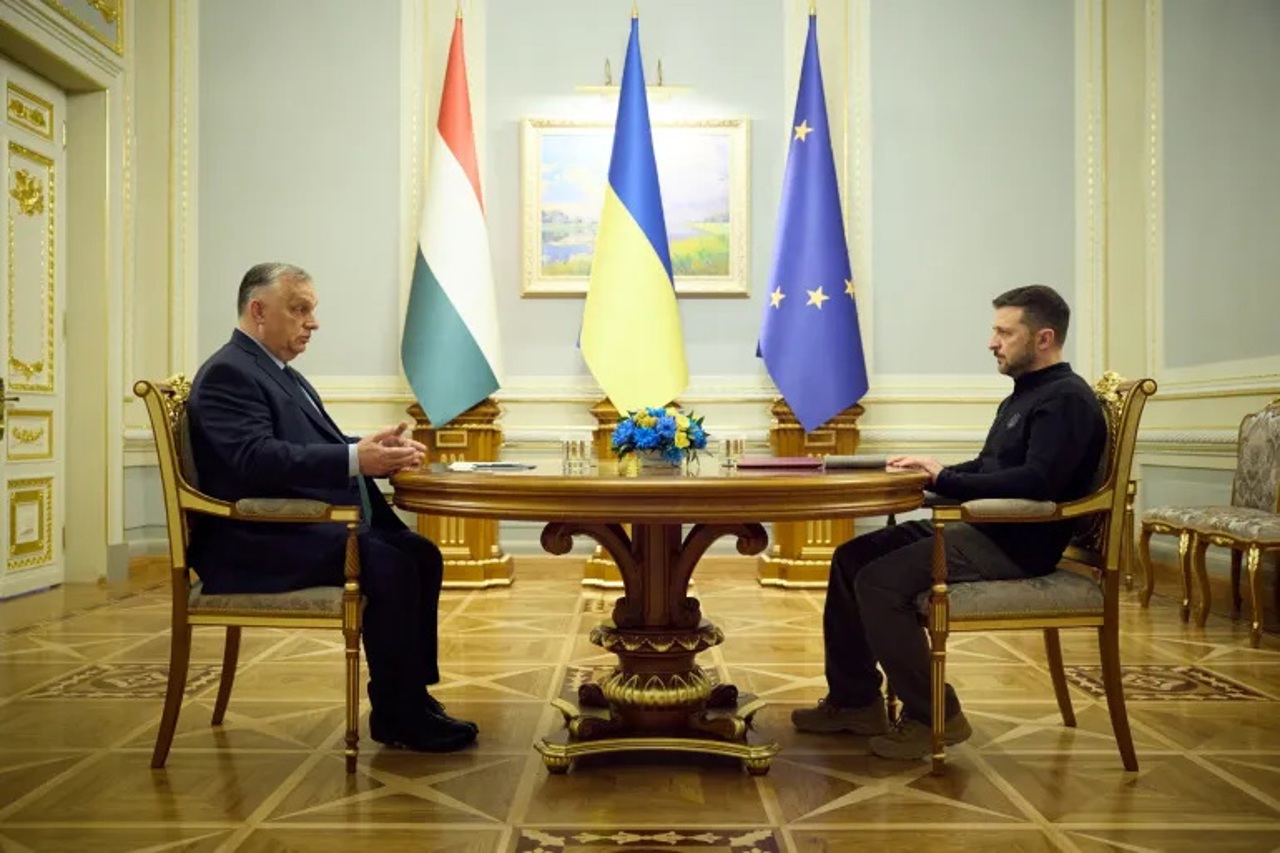
The European Commission on Friday, March 6, condemned "unacceptable" remarks made by Ukrainian President Volodymyr Zelenskyy directed at Hungarian Prime Minister Viktor Orbán. The diplomatic row centers on Hungary's continued block of €90 billion European Union loan intended for Ukraine.
Tensions between Kyiv and Budapest reached an unprecedented level of verbal aggression following a high-stakes border incident. Ukrainian authorities reacted sharply after seven Ukrainian citizens were detained in Hungary while transporting $40 million, €35 million, and 9 kilograms of gold from Vienna.
This seizure reportedly pushed relations to a breaking point, following months of friction over the frozen EUR 90 billion aid package. In a press conference on Thursday, Zelenskyy warned that any EU leader blocking the funds would be identified to the Ukrainian military, suggesting they "call and speak to him in their language."
Accusations of assassination threats
Hungarian Foreign Minister Péter Szijjártó, speaking from Moscow, described the situation as "completely unprecedented in Europe." He accused the president of a European country of threatening the assassination of a leader from both a NATO and EU member state.
A spokesperson for the European Commission echoed these concerns on Friday, stating that such language is "unacceptable" and that threats against member states have no place in EU discourse.
Energy security and electoral pressure
Viktor Orbán has justified the loan freeze by citing Ukraine’s alleged failure to repair the Russian Druzhba oil pipeline. The pipeline, a vital energy link for Slovakia and Hungary, was damaged by Russian shelling on January 27.
The dispute also carries significant domestic weight as Hungary prepares for legislative elections on April 12. Orbán has recently labeled his pro-European rival, Péter Magyar, as a "proxy for Kyiv." Currently, Hungary and Slovakia remain the last EU nations purchasing Russian oil under a specific sanctions exemption valid until 2027.
Translation by Iurie Tataru