Alexei Taran: Gas deliveries to Transnistrian region rely on unstable payment mechanism
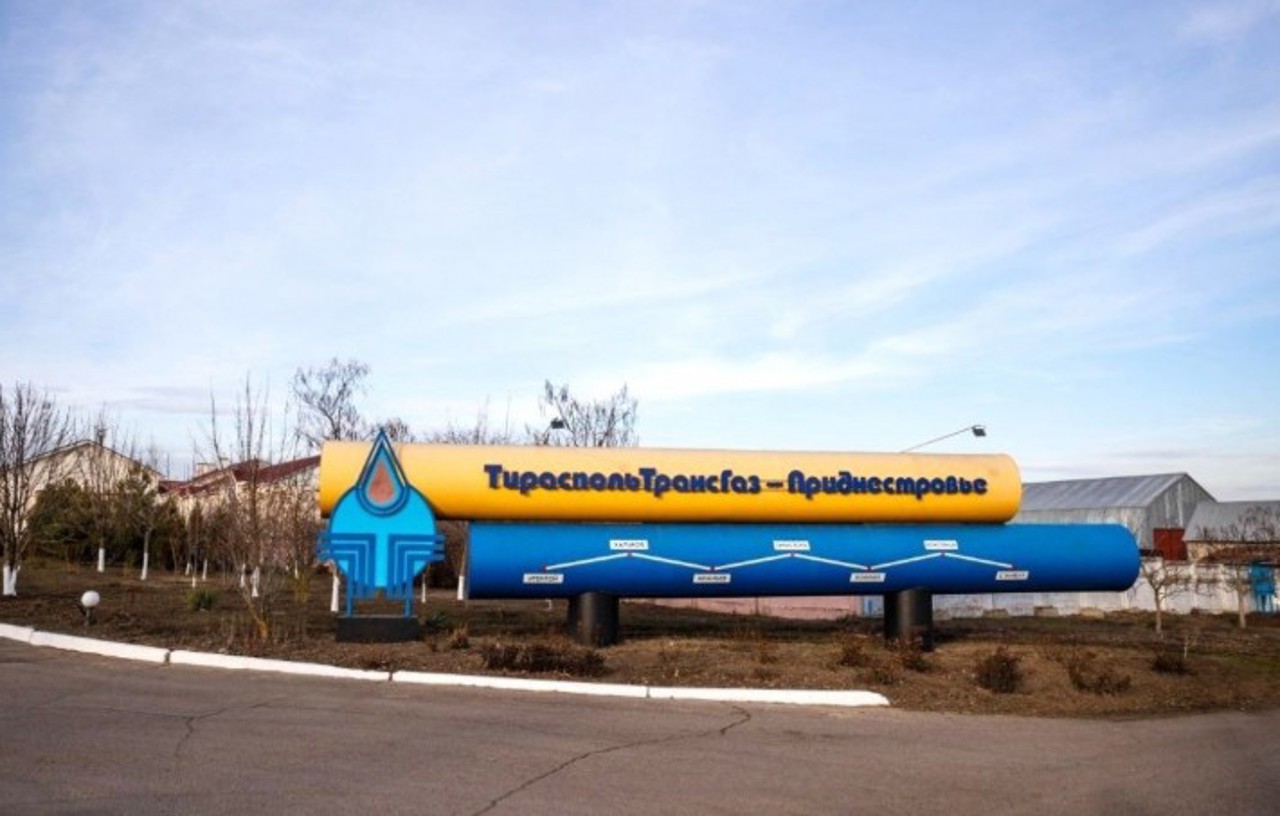
The supply of natural gas in the Transnistrian region is currently uncertain, with deliveries only guaranteed in the short term. This depends on periodic payments for ongoing consumption, as stated by Alexei Taran, the general director of the National Energy Regulatory Agency (ANRE). He mentioned that recent payments will only cover the region's gas needs until the end of this week.
The situation regarding natural gas supplies is reliant on an established mechanism involving suppliers from the European Union and payments from nearby financiers. However, there are ongoing issues with payment collection. As of today, some payments have been made, allowing natural gas consumption to continue until the end of the week, as Taran stated during the program "Punctul pe azi" on TVR Moldova.
Additionally, the situation is complicated by the fact that the heating season has not yet ended, and consumption limitations were introduced in the region starting on March 4.
Former Minister of Energy Victor Parlicov recalled that the Republic of Moldova has faced similar challenges in the past when gas supplies depended on payments to Gazprom.
"In 2021-2022, if you recall, every month on the 20th, we anxiously awaited news on whether or not payments had been made to Gazprom and if gas would be delivered for the following month. We struggled through that reality—it was a shock for us. However, we adapted and found ways to manage the crisis period," Parlicov said.
In recent years, the authorities in Chișinău have diversified the gas market for the right bank of the Nistru. According to Alexei Taran, there are currently over 30 licensed suppliers and more than 16 companies operating in the natural gas market, enabling them to import from various regions based on economic conditions. However, this system only works for the right bank, while the Transnistrian region remains dependent on the current supply mechanism, which Taran considers unstable.
Victor Parlicov asserts that the main issue is not the delivery mechanism itself but rather the capacity of the region's authorities to pay for the gas consumed.
"The problem is not the mechanism; it’s the ability of those on the left bank of the Nistru to pay. They must understand that they will have to deal with the situation where gas will need to be purchased at market prices," said the former Minister of Energy.
A strict gas-saving regime was introduced in the Transnistrian region starting March 4, following a reduction in supply volumes. As a result, the Cuciurgan power plant (MGRES) has switched to coal-fired electricity generation, prioritizing heat supply to medical institutions, permanent residential facilities, and kindergartens.
Reports from the left bank of the Nistru indicate that disruptions to gas supplies were allegedly caused by issues with the fuel payment mechanism, amid escalating tensions in the Middle East.
Simultaneously, the National Energy Regulatory Agency (ANRE) decided on March 4, at the request of the Ministry of Energy in Chișinău, that "Moldovagaz" would continue supplying natural gas to the Transnistrian region until the end of June 2026, in order to maintain existing operational and contractual supply mechanisms.
Since February 2025, gas for the Transnistrian region has been delivered through a scheme mediated by the Russian Federation, involving several companies registered in the United Arab Emirates and the Hungarian company MET. This arrangement allows the gas to reach "Moldovagaz," which ANRE has designated the supplier responsible for providing gas to the region.